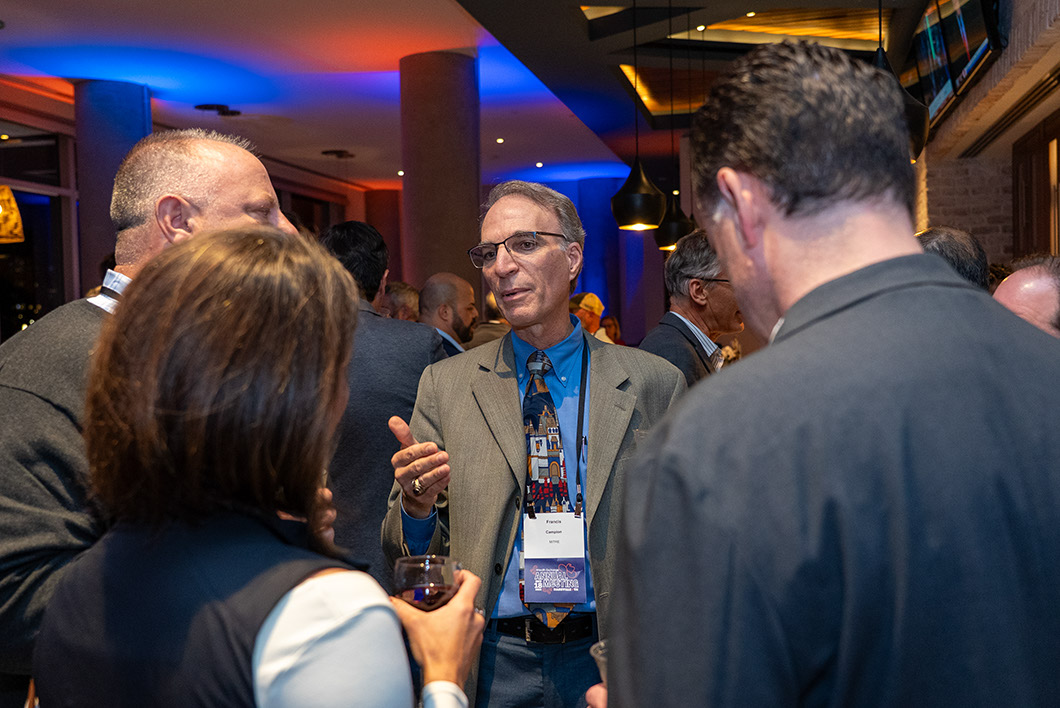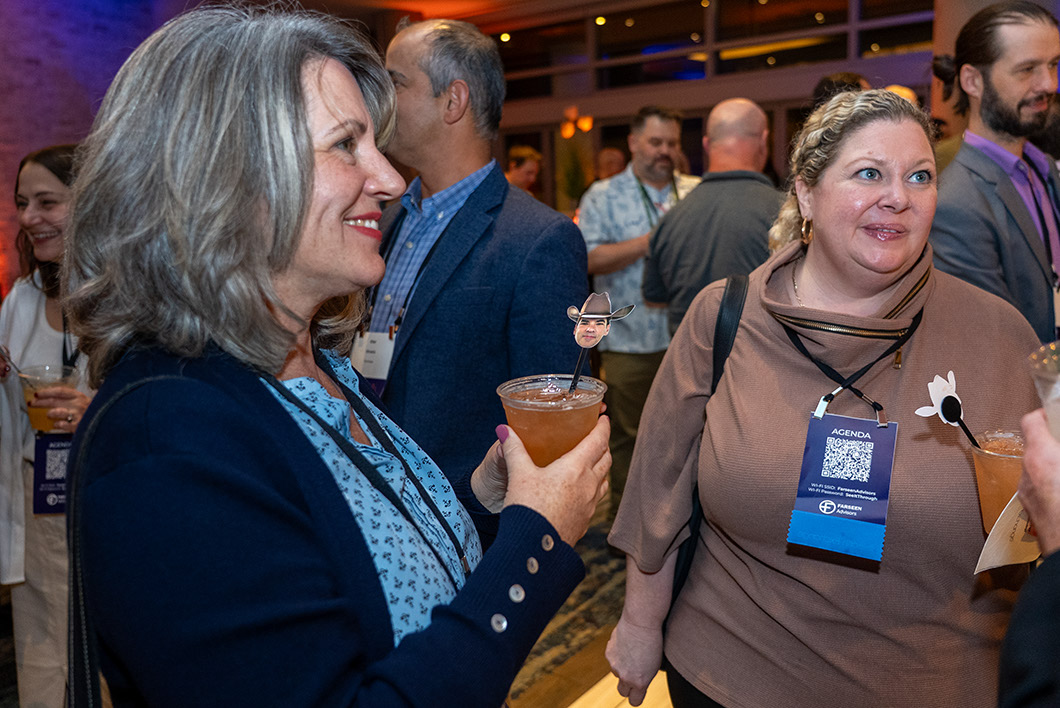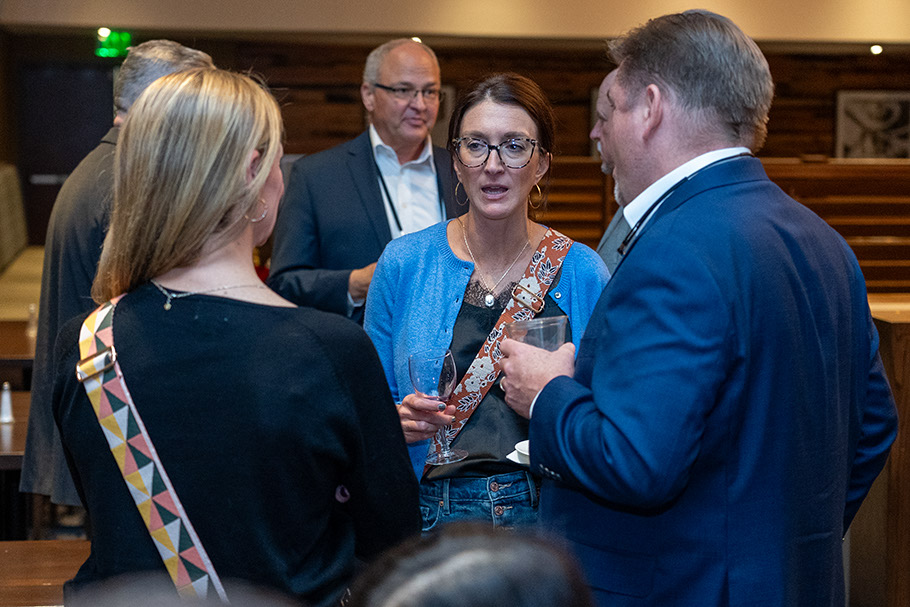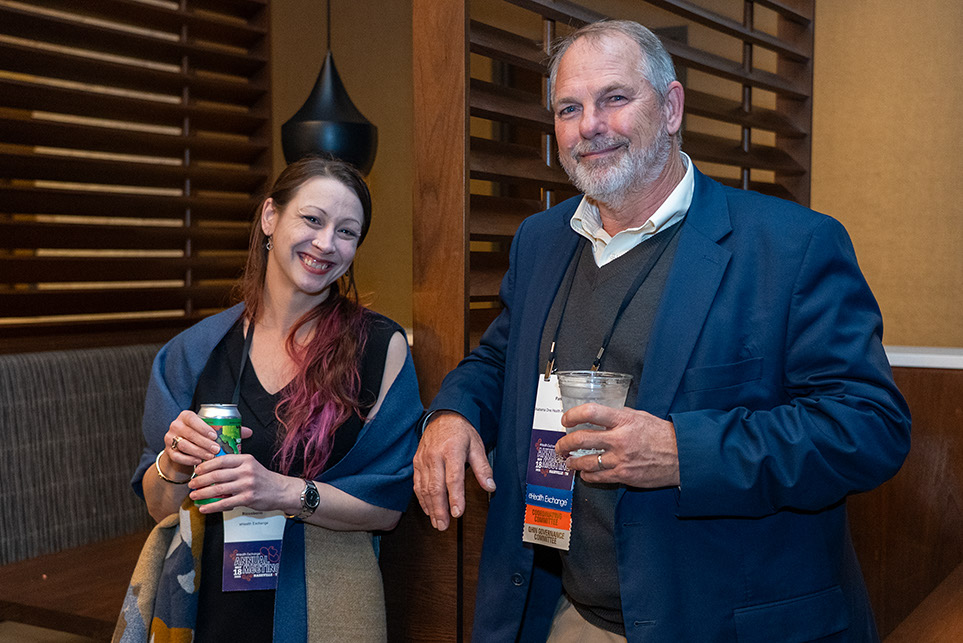
Thank You For Attending the
2025 Annual Meeting
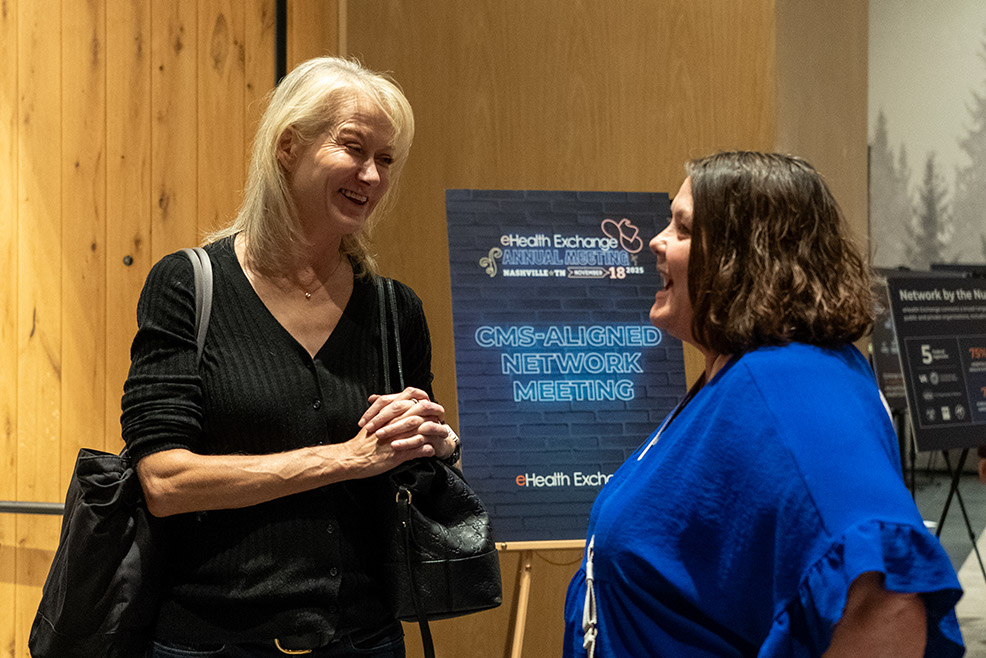
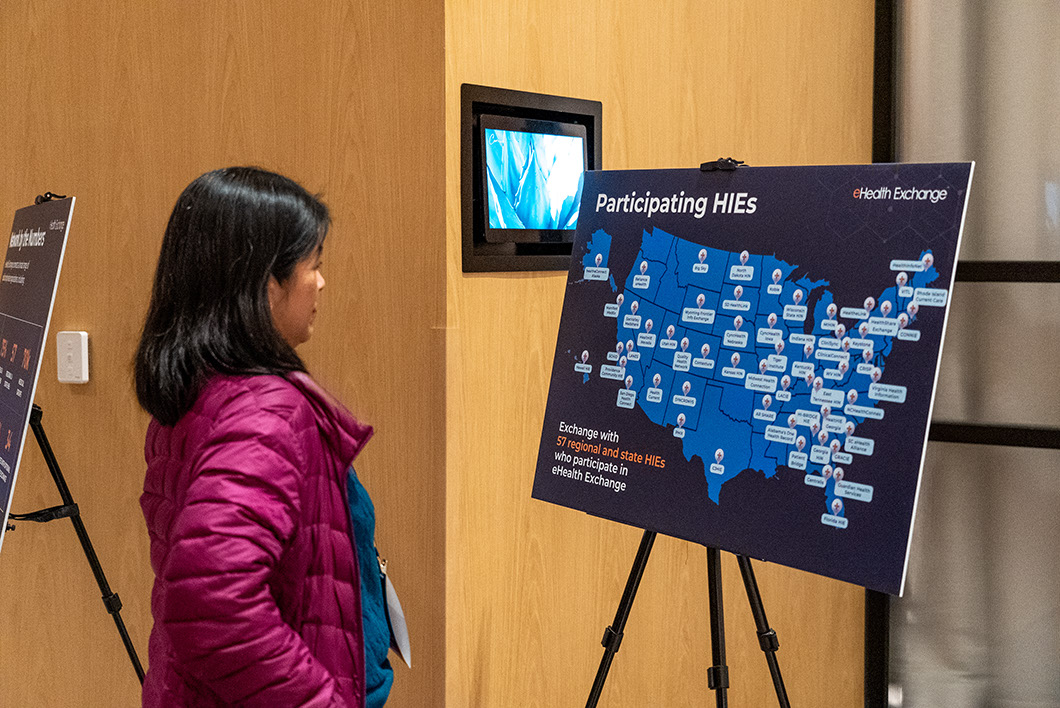
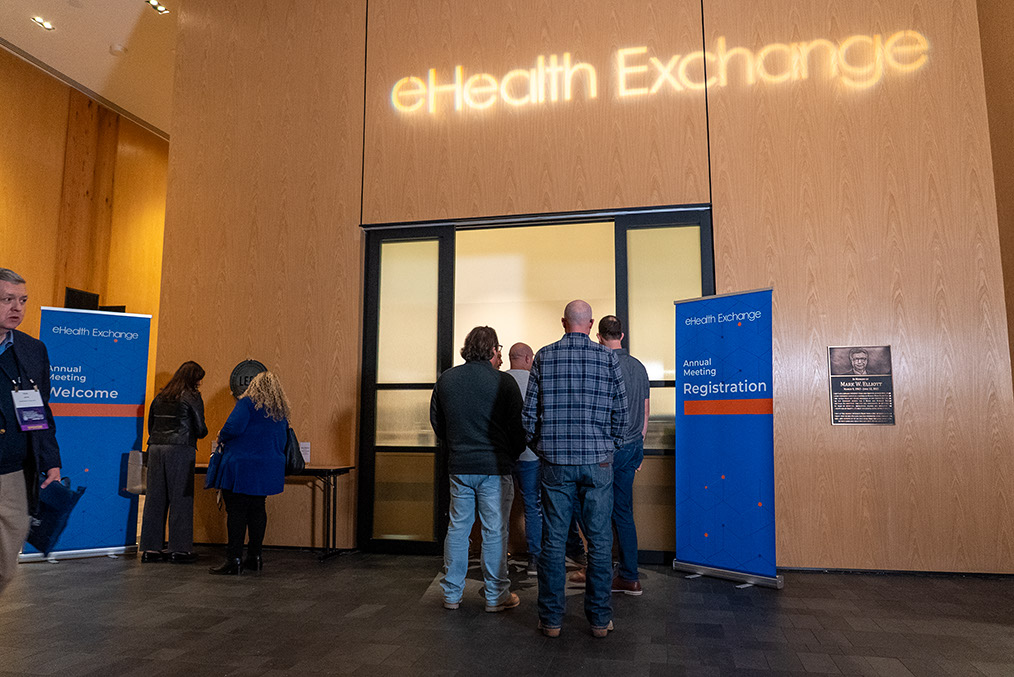
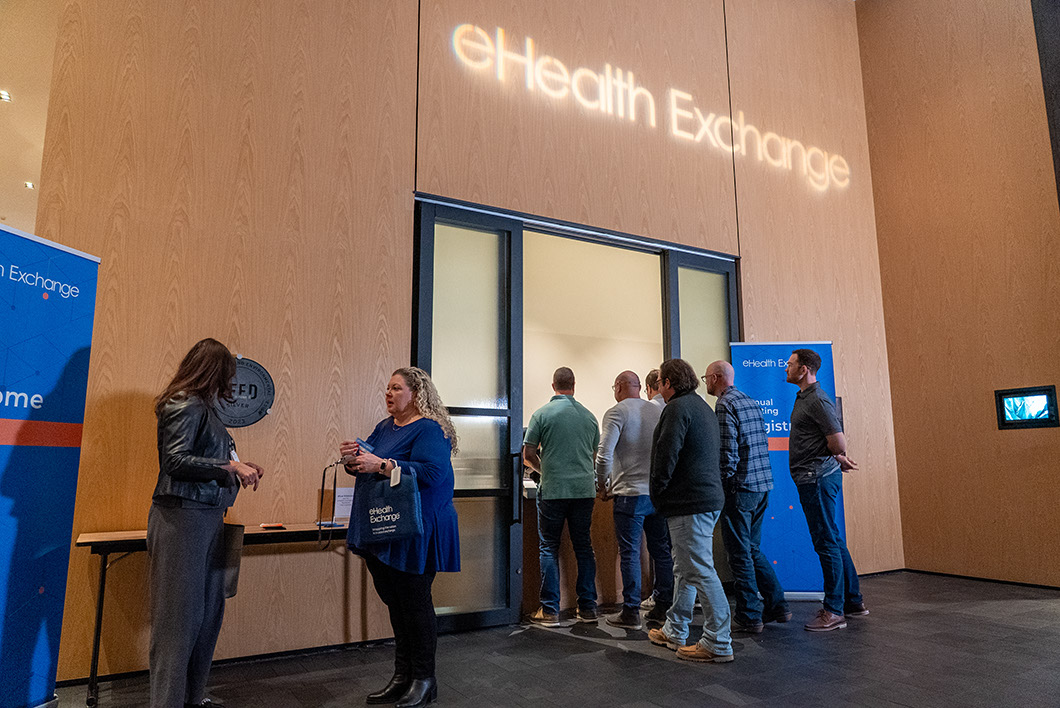
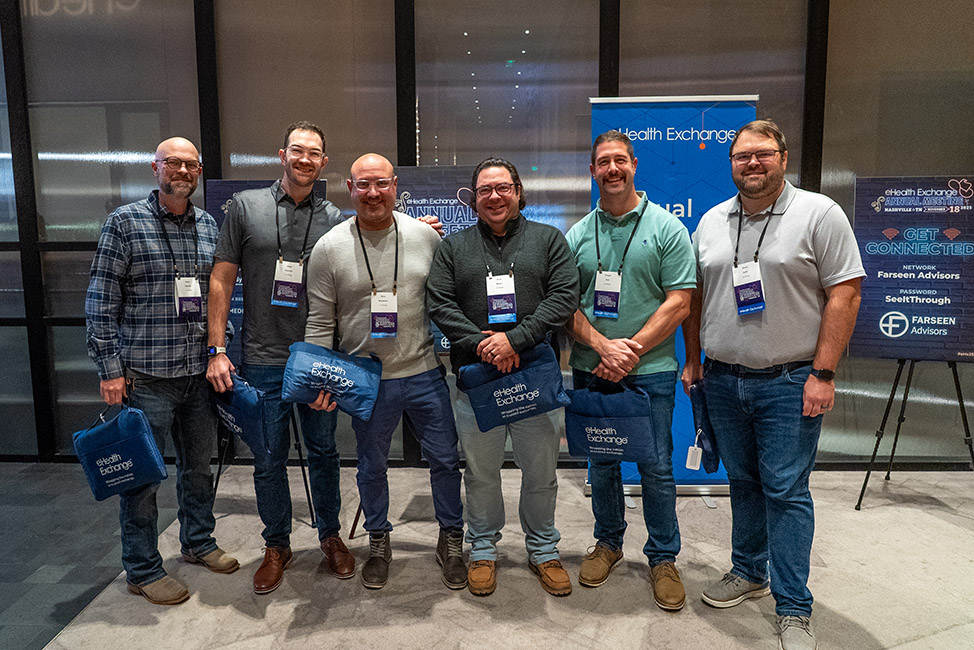
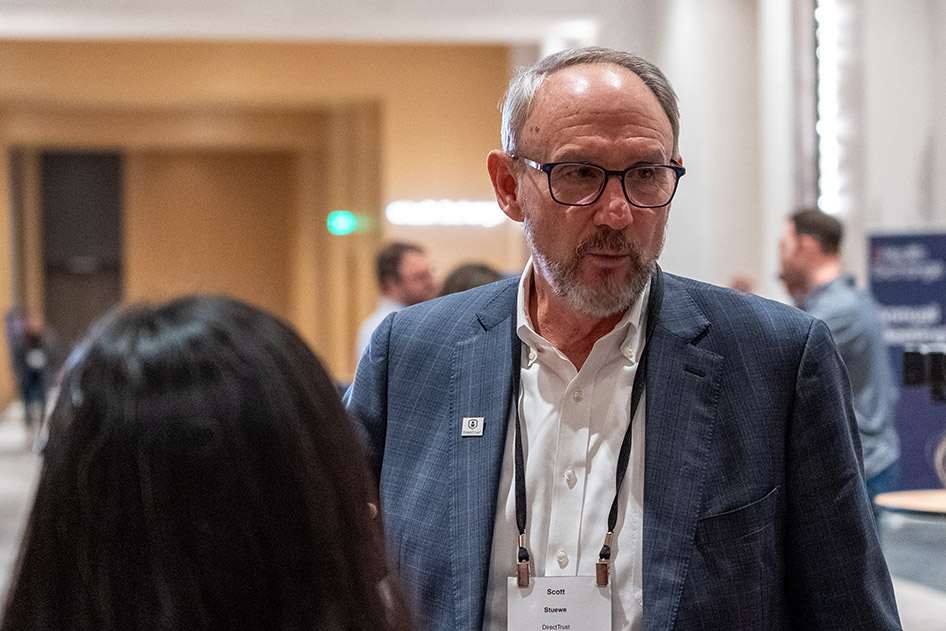
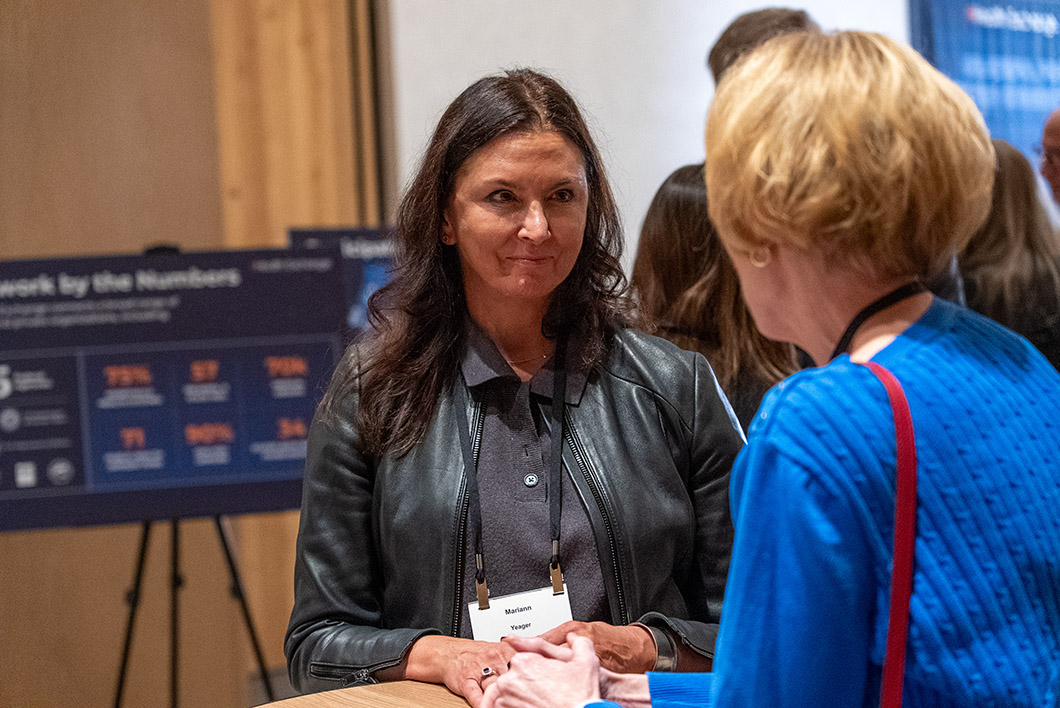
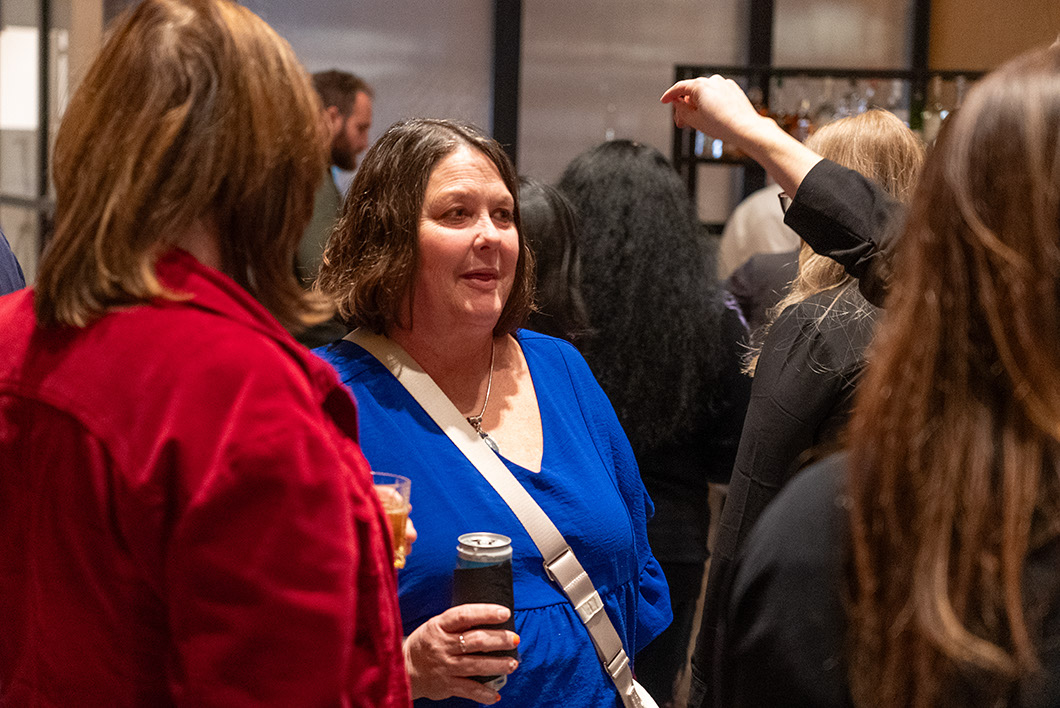
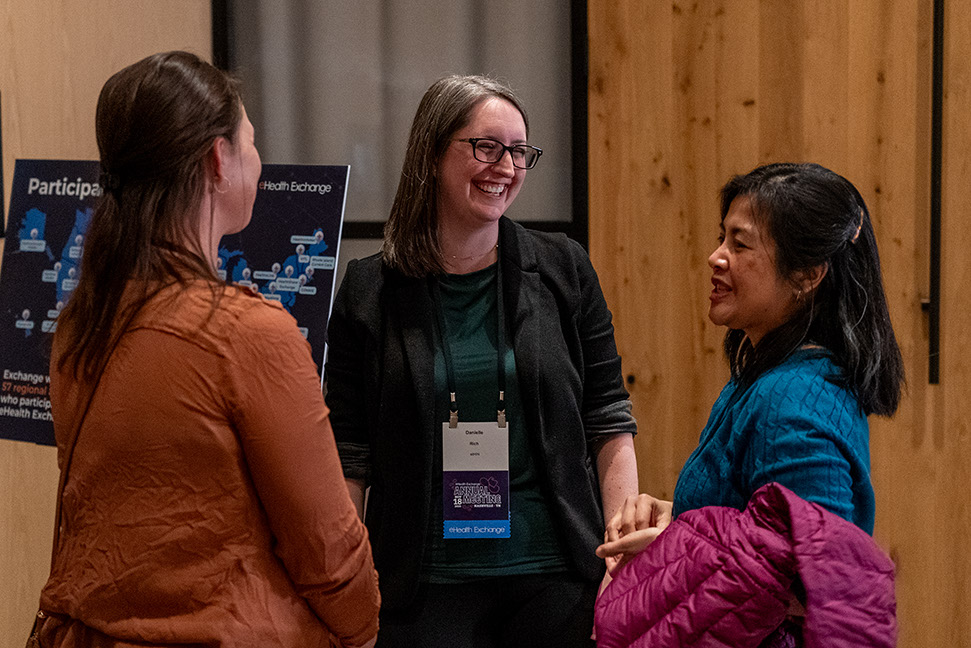
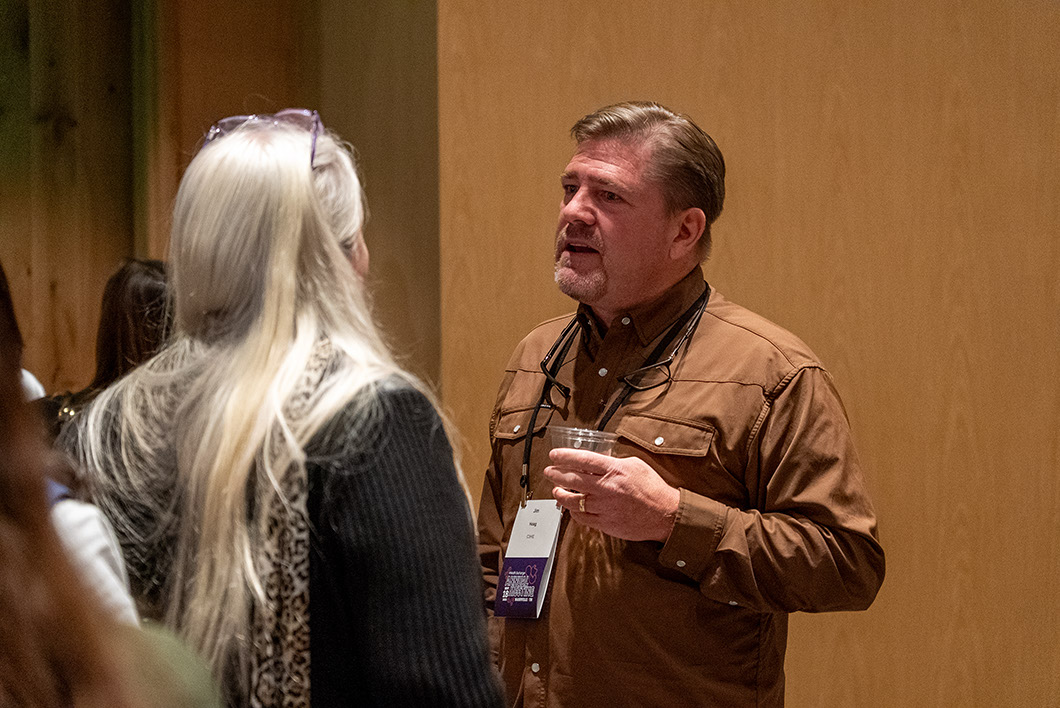
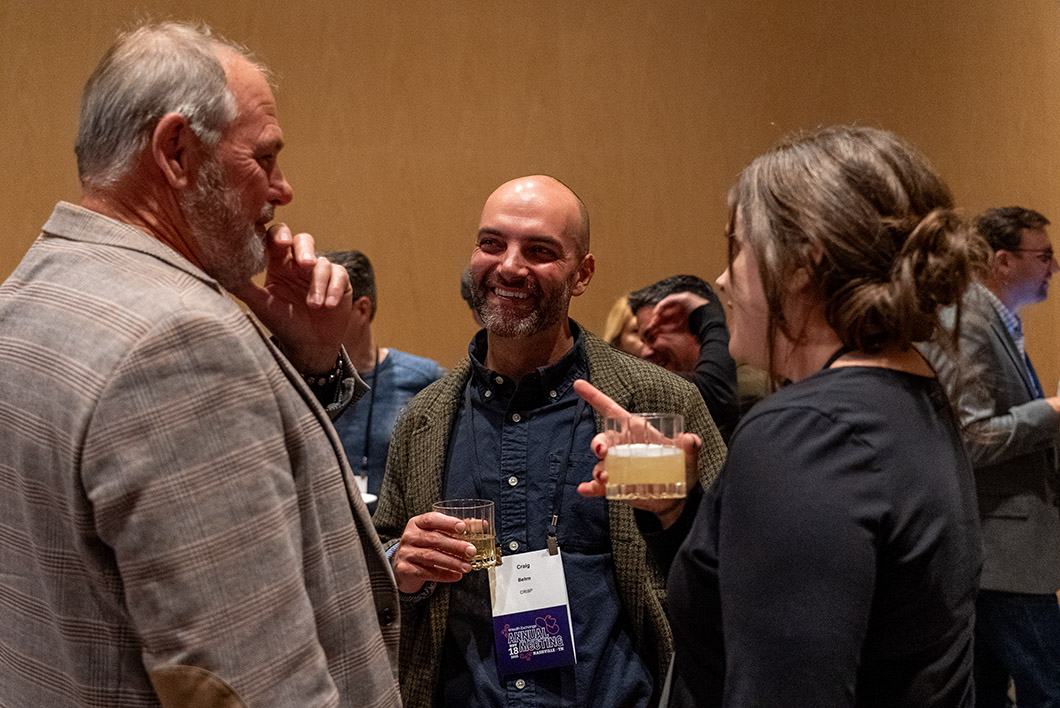
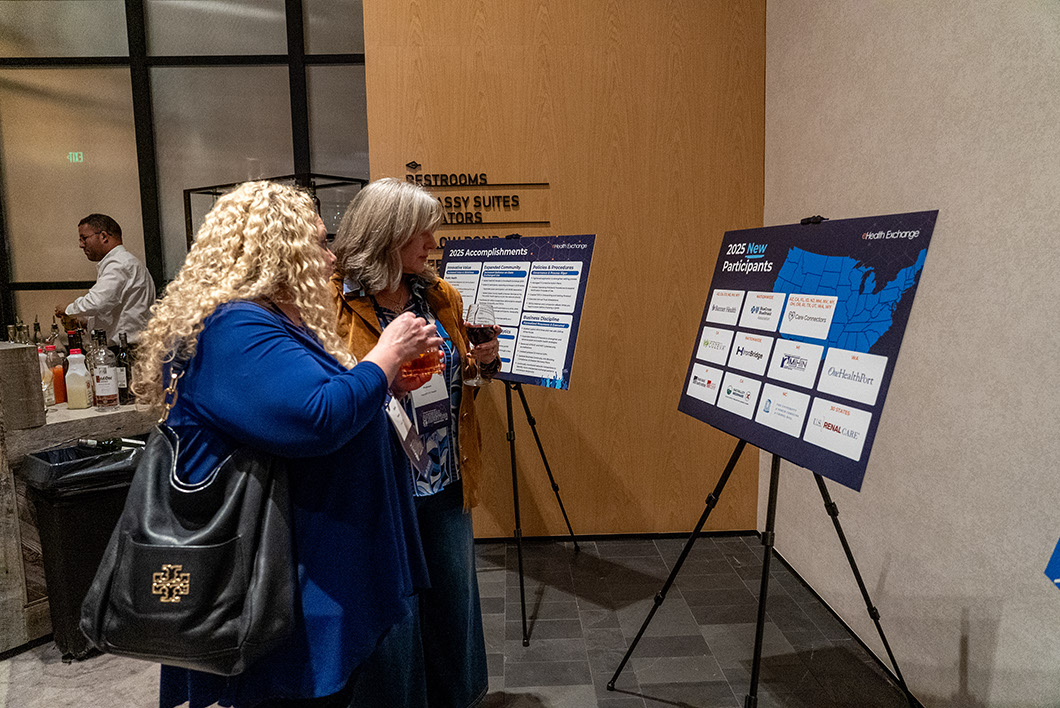
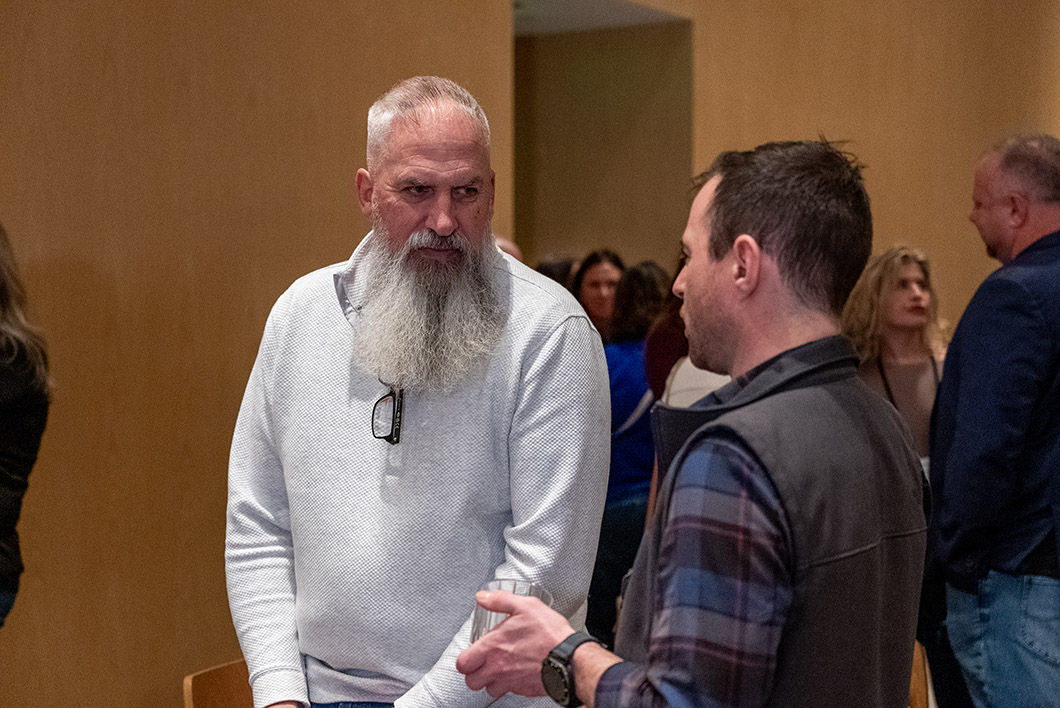
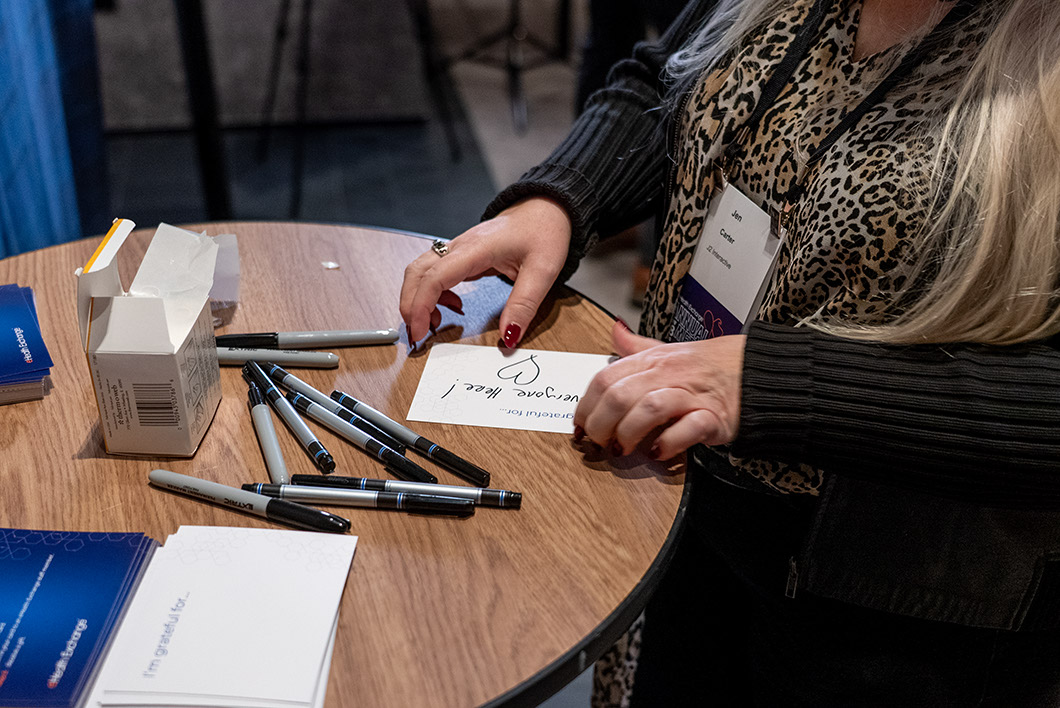
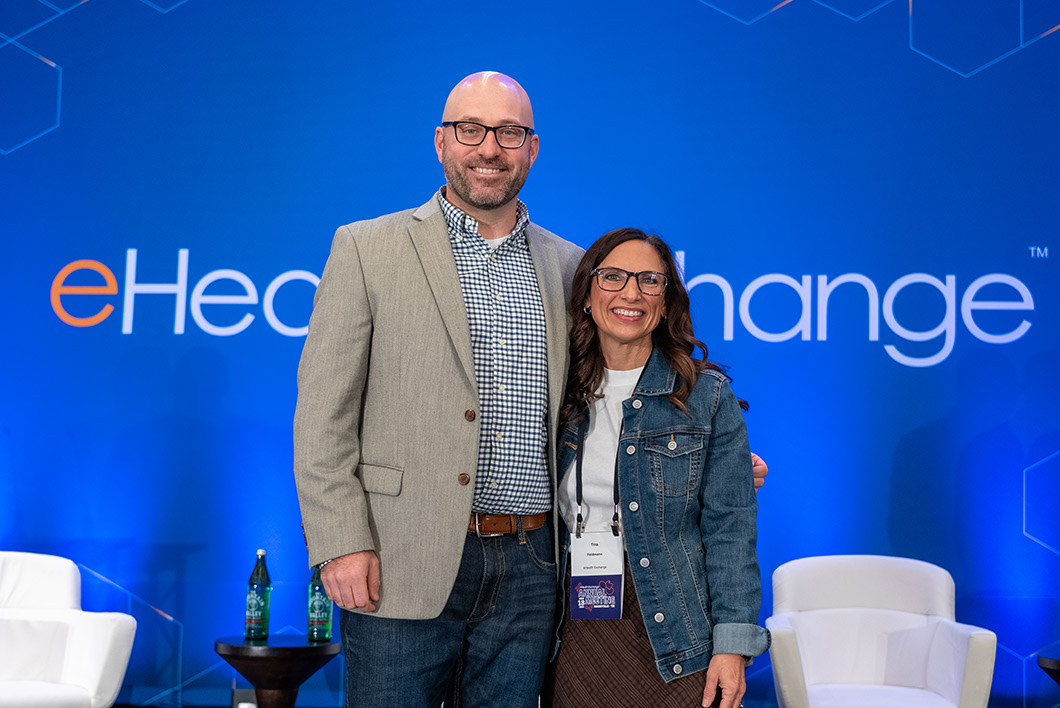
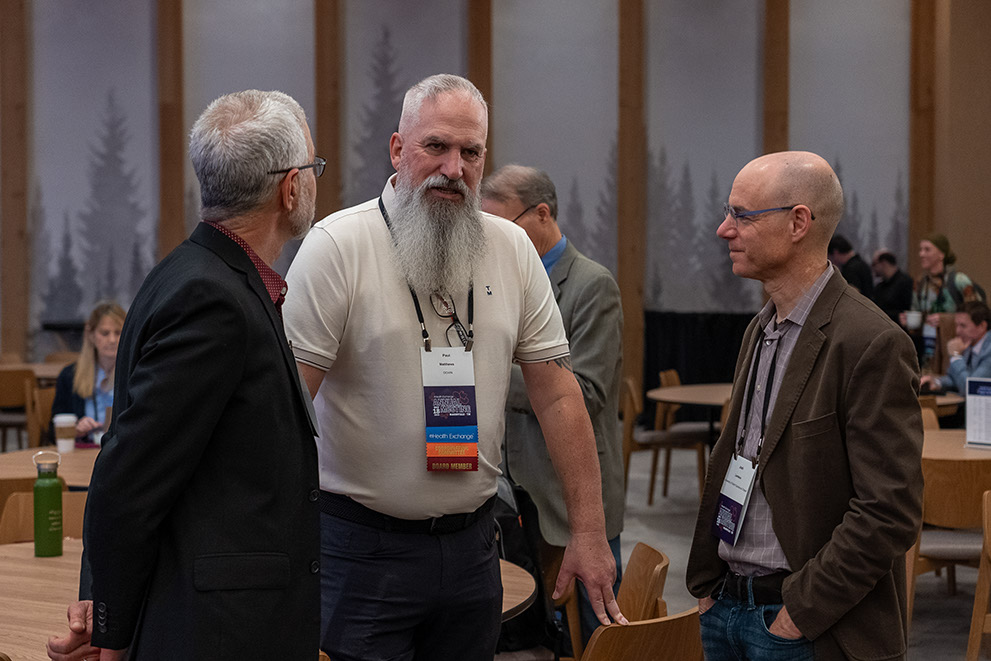
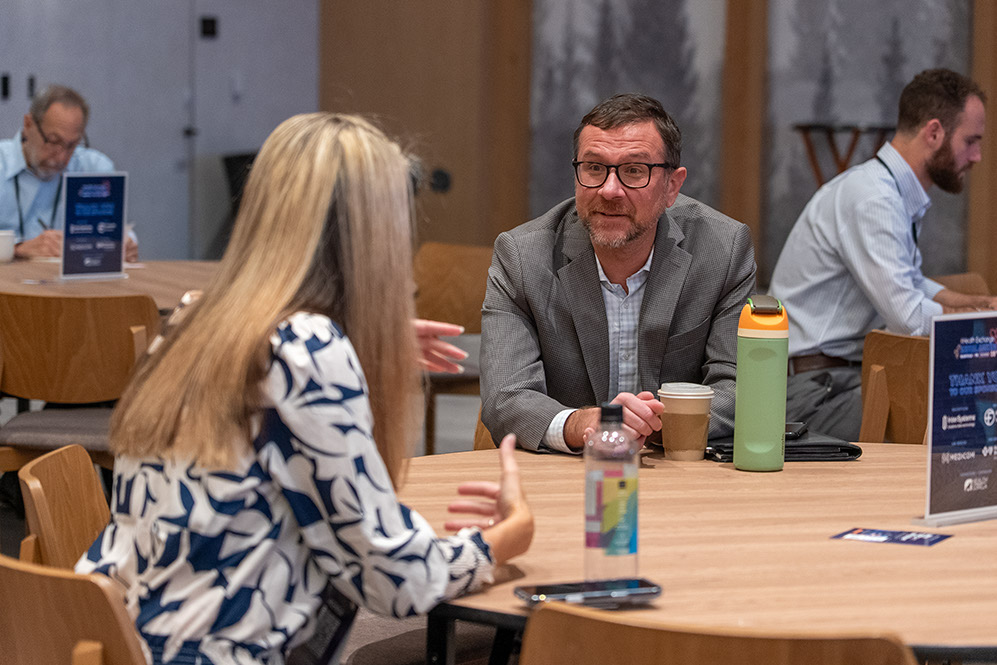
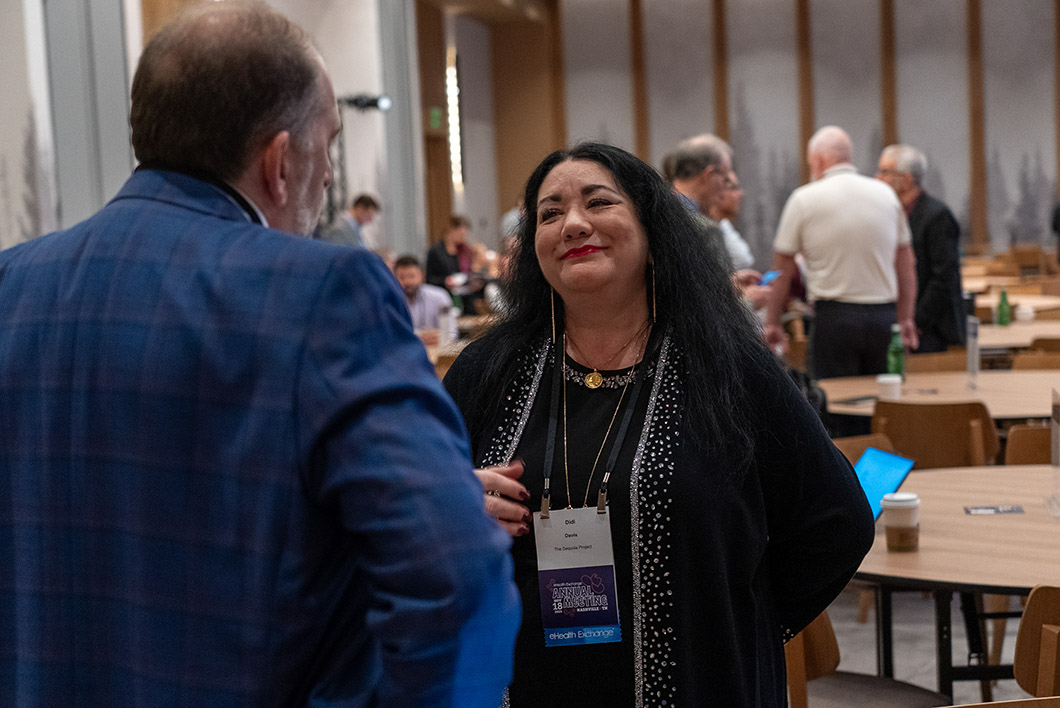
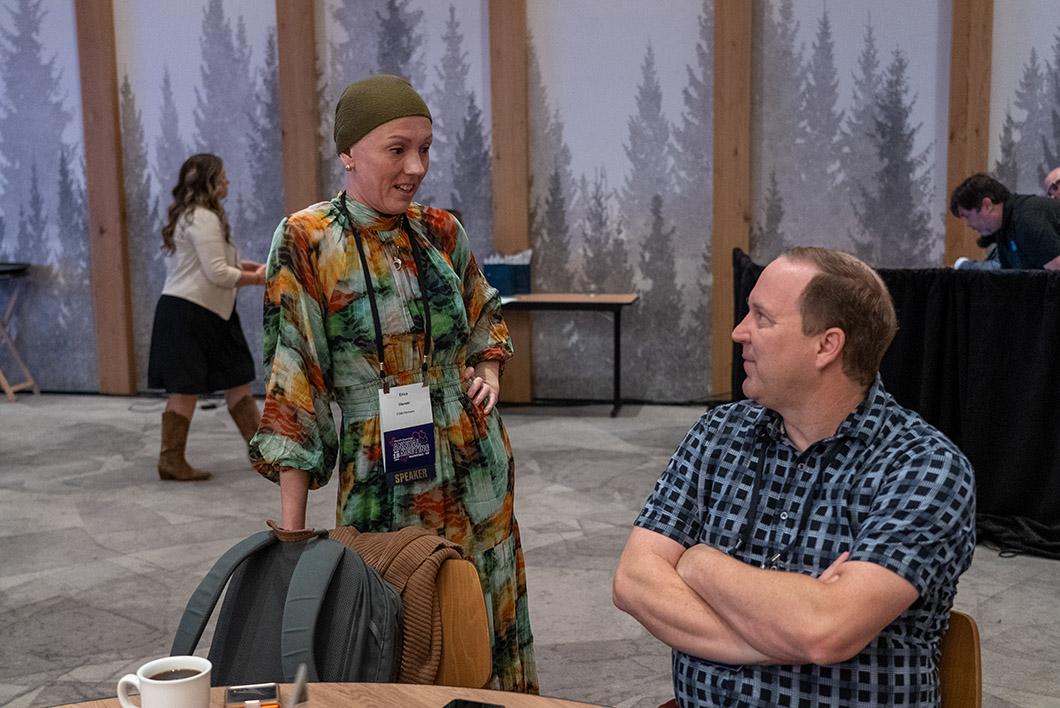
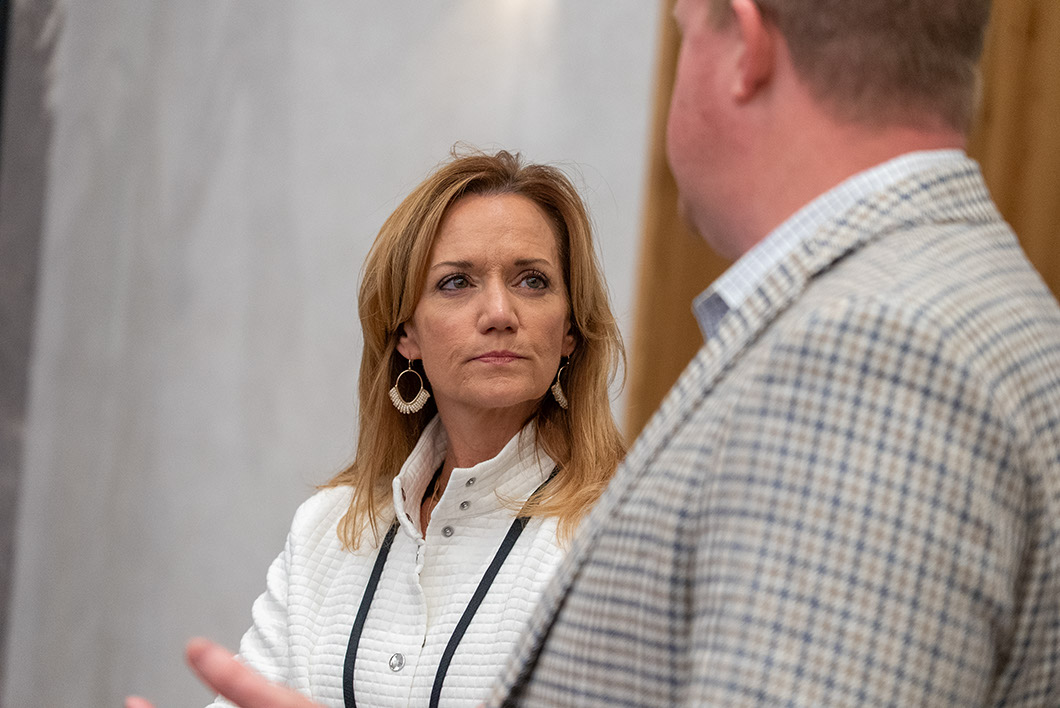
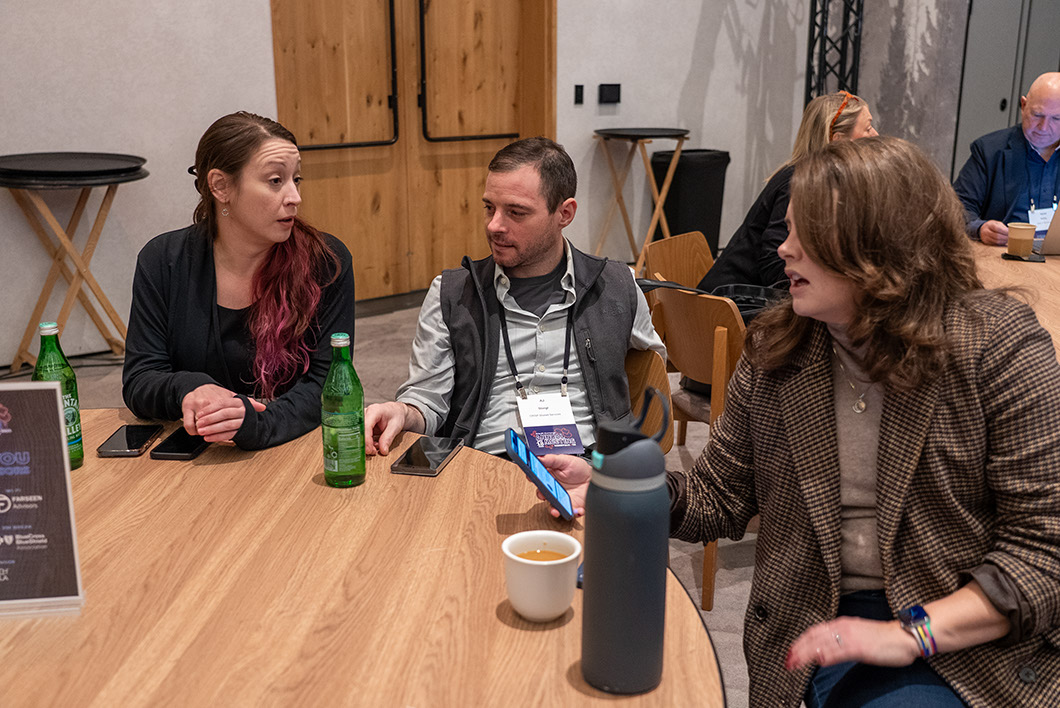
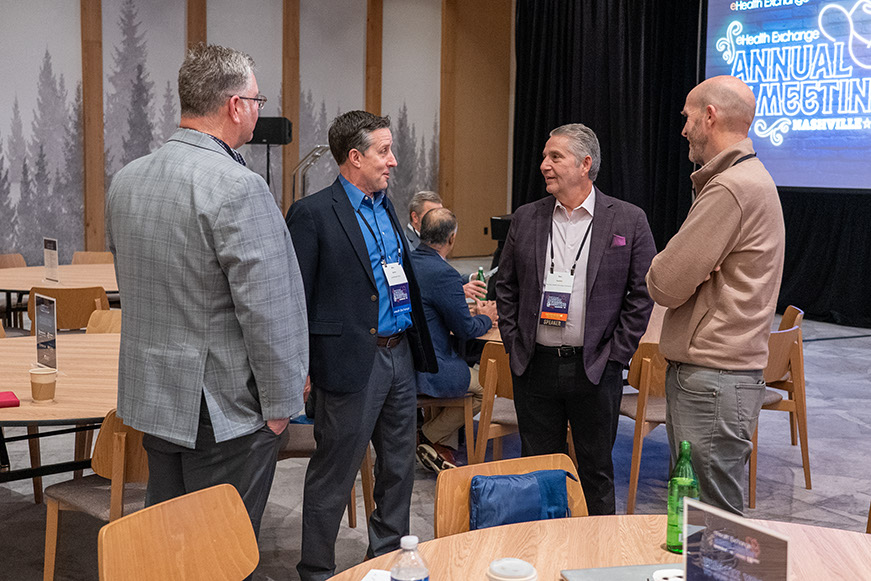
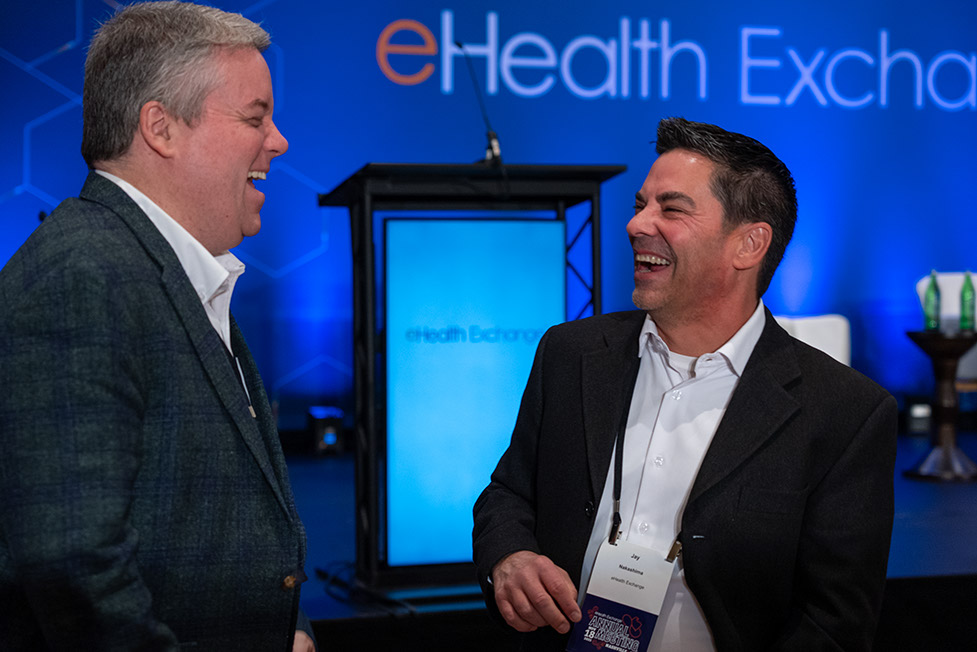
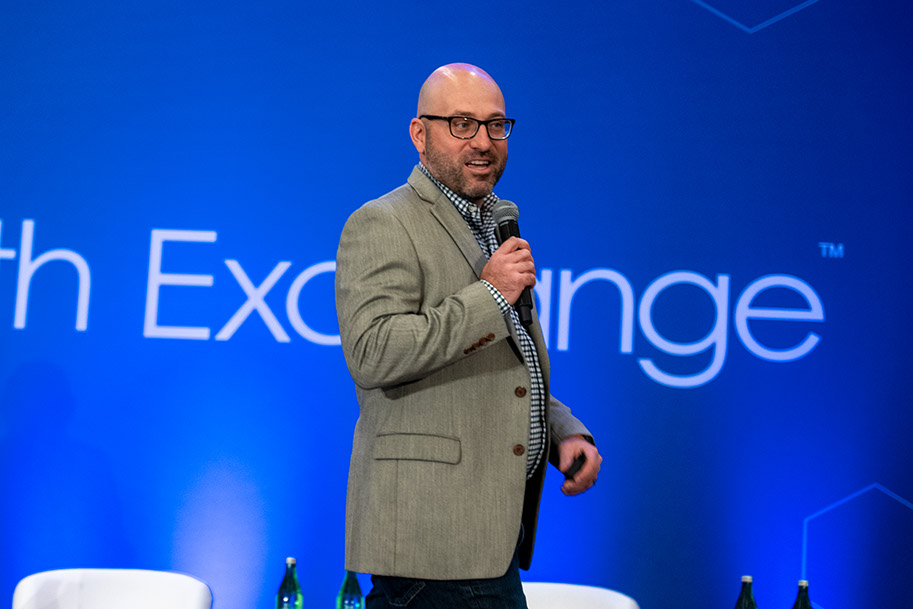
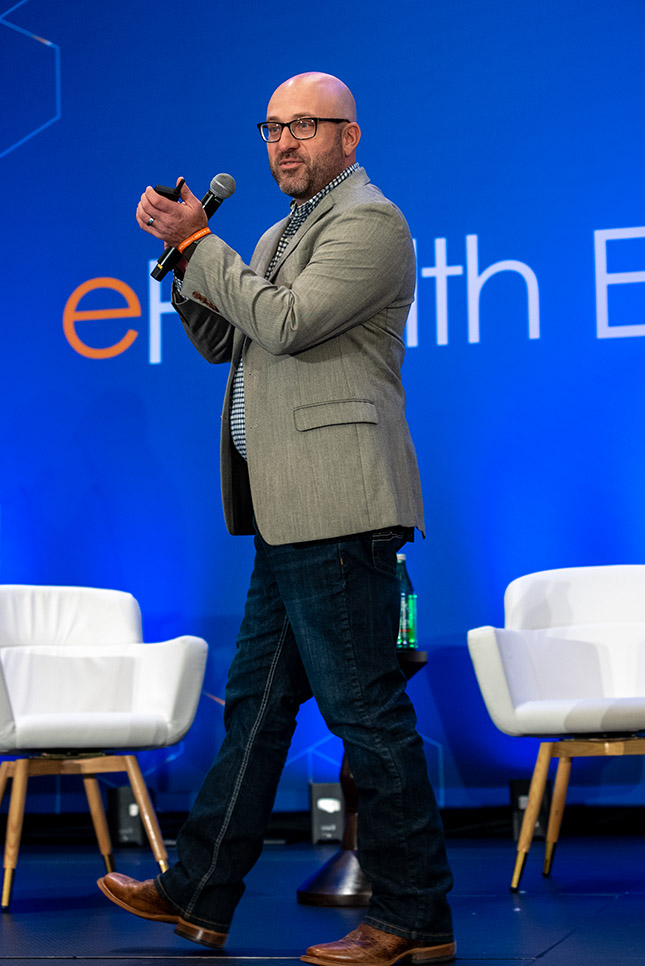
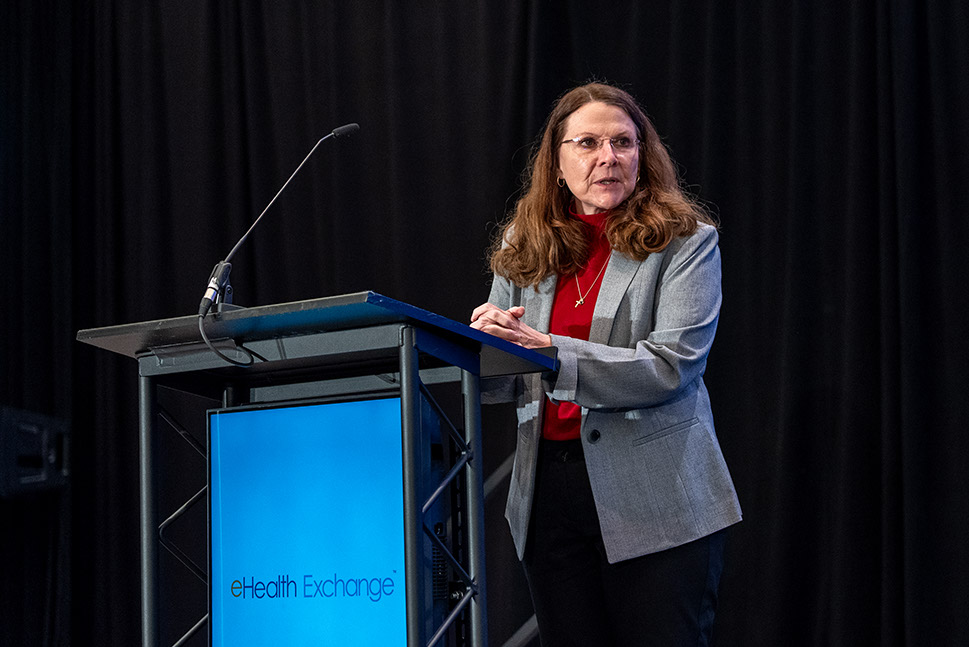
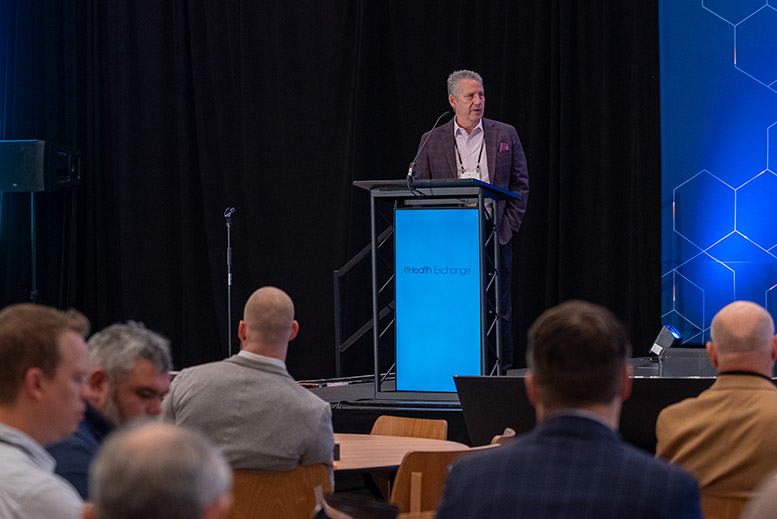
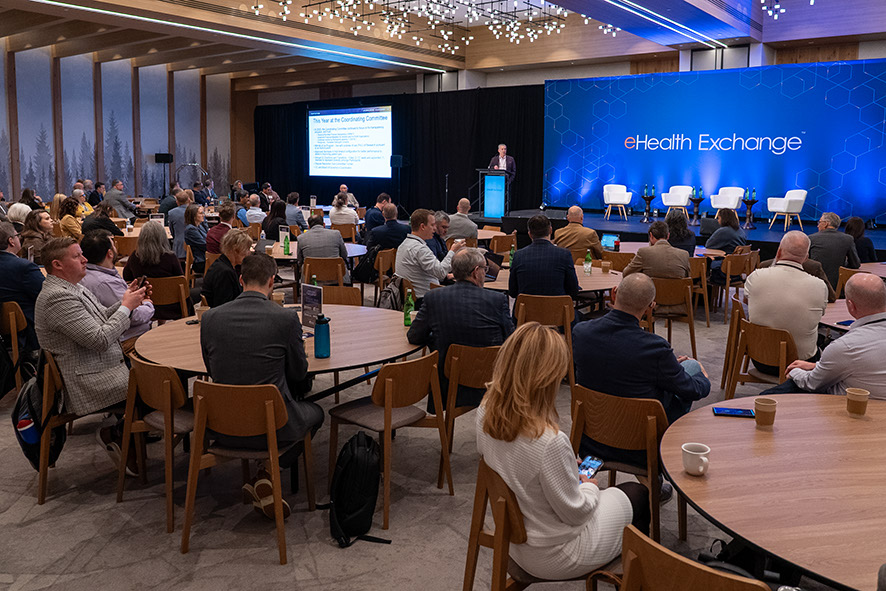
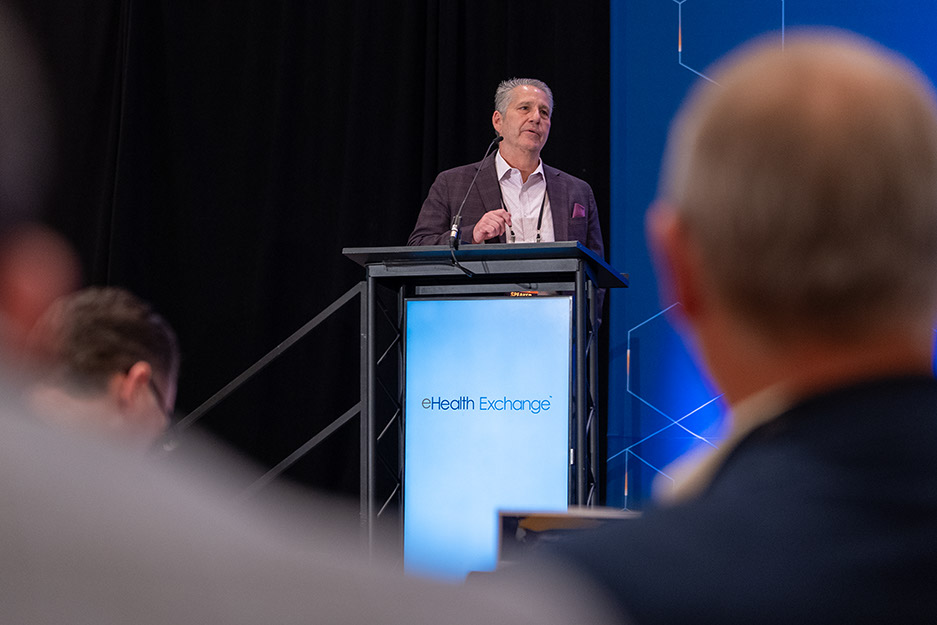
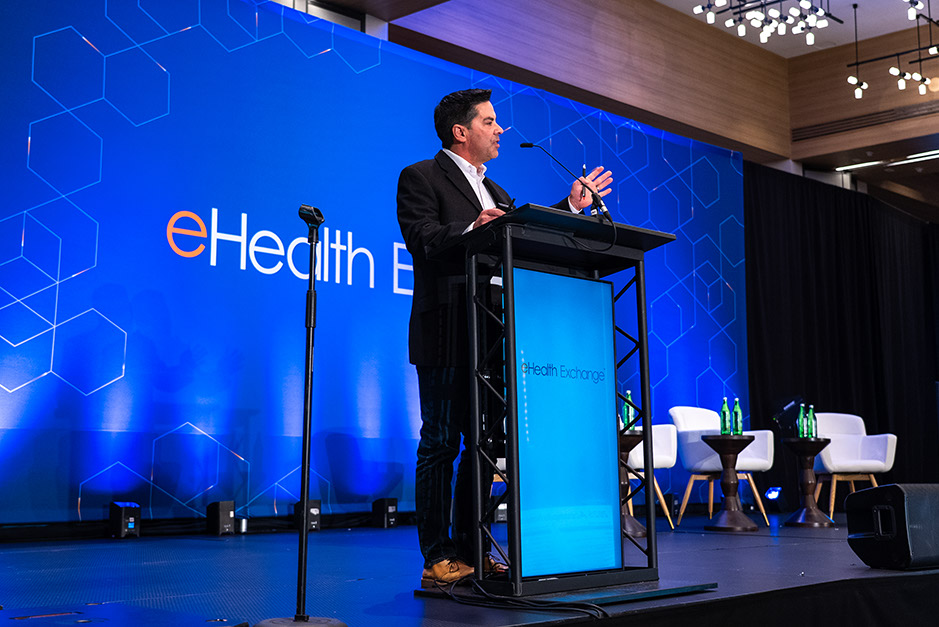
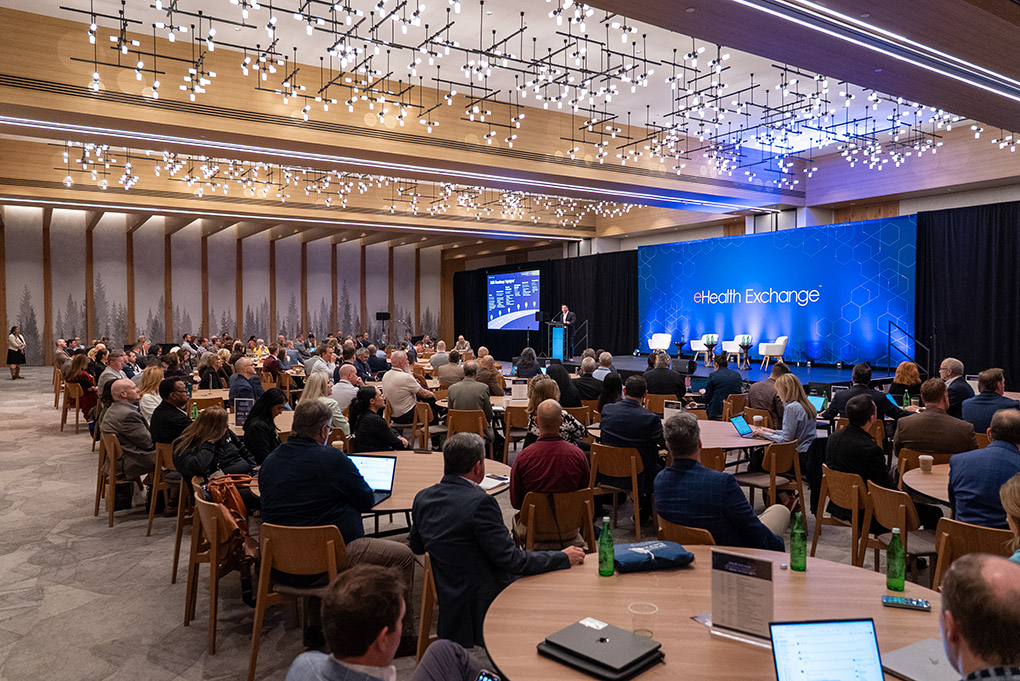
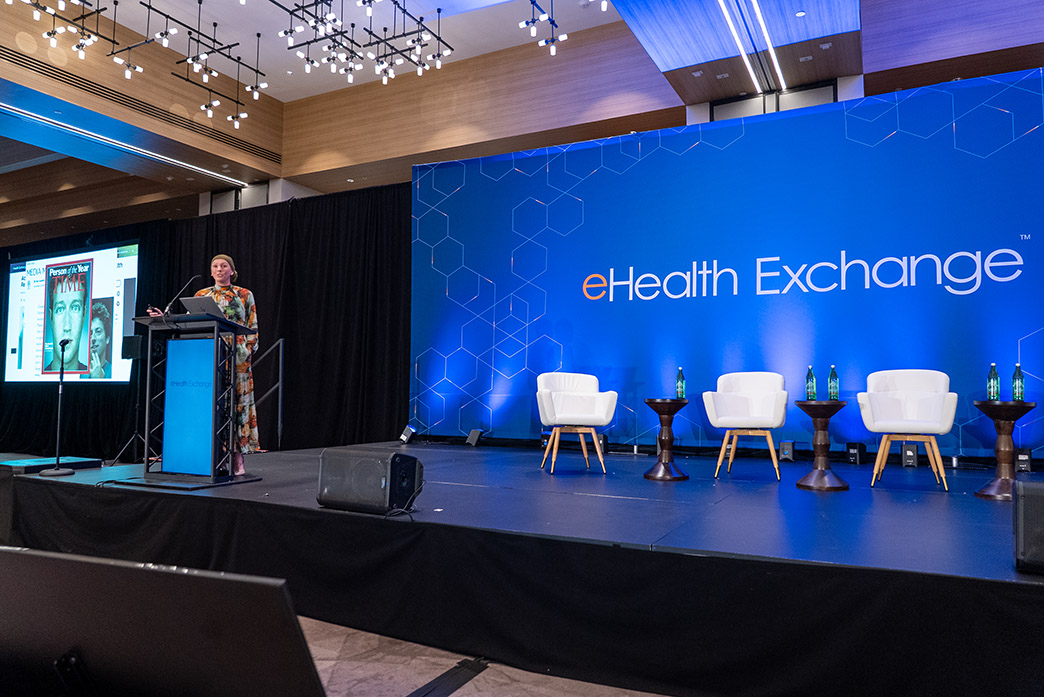
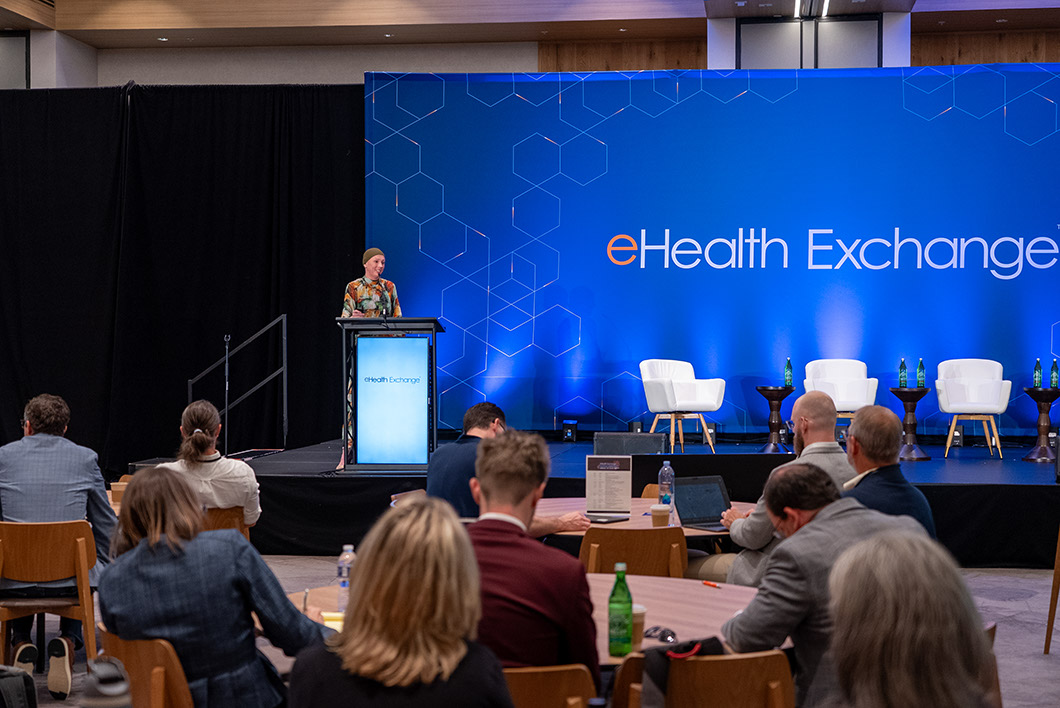
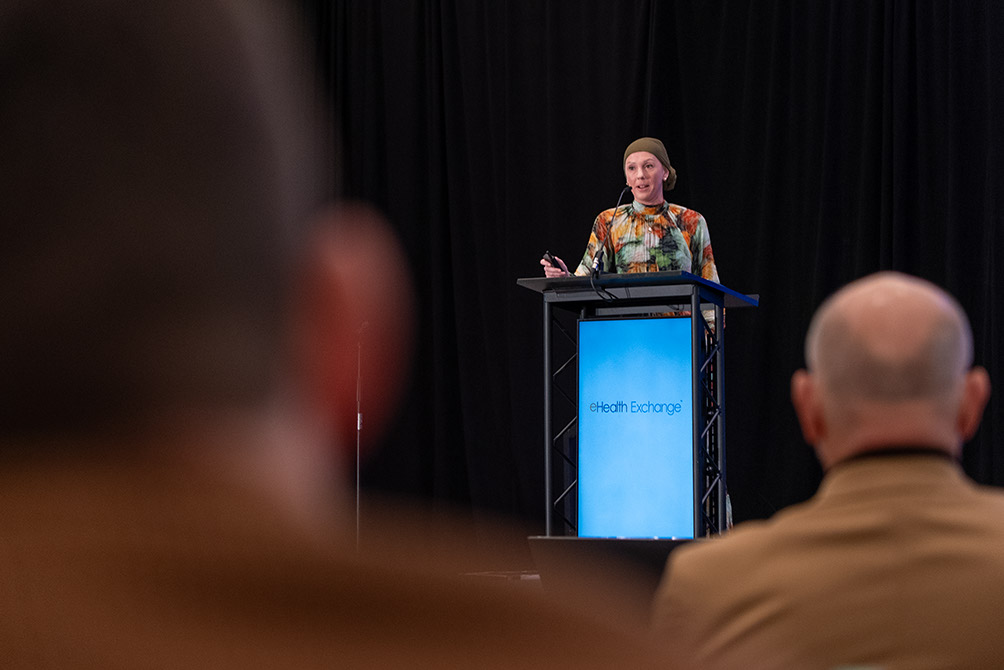
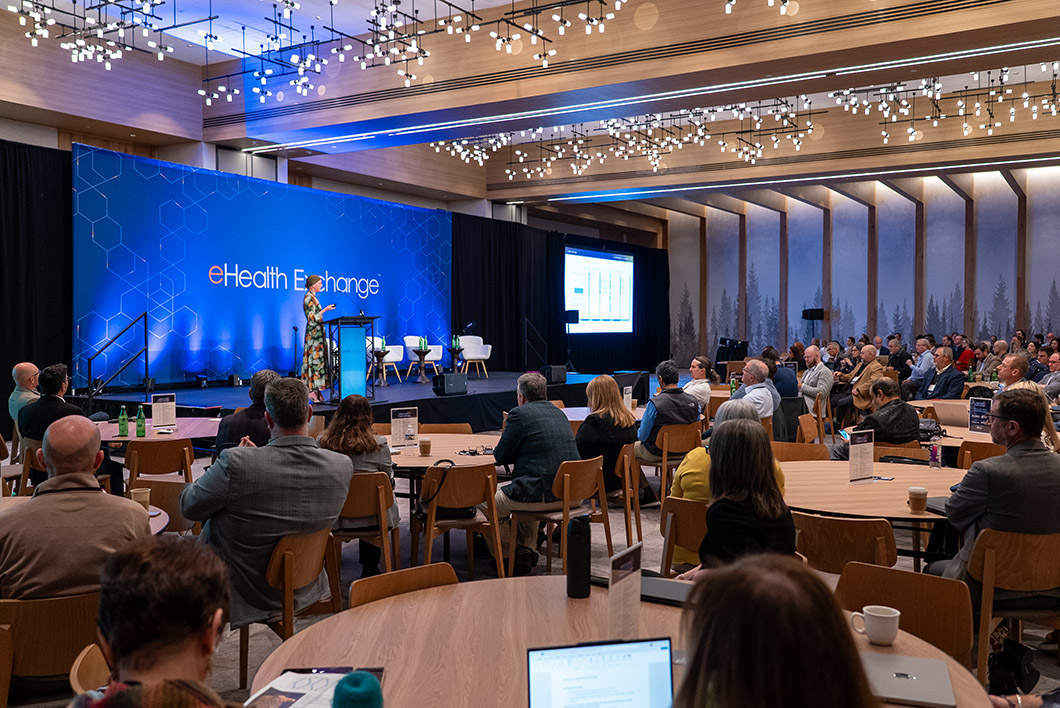
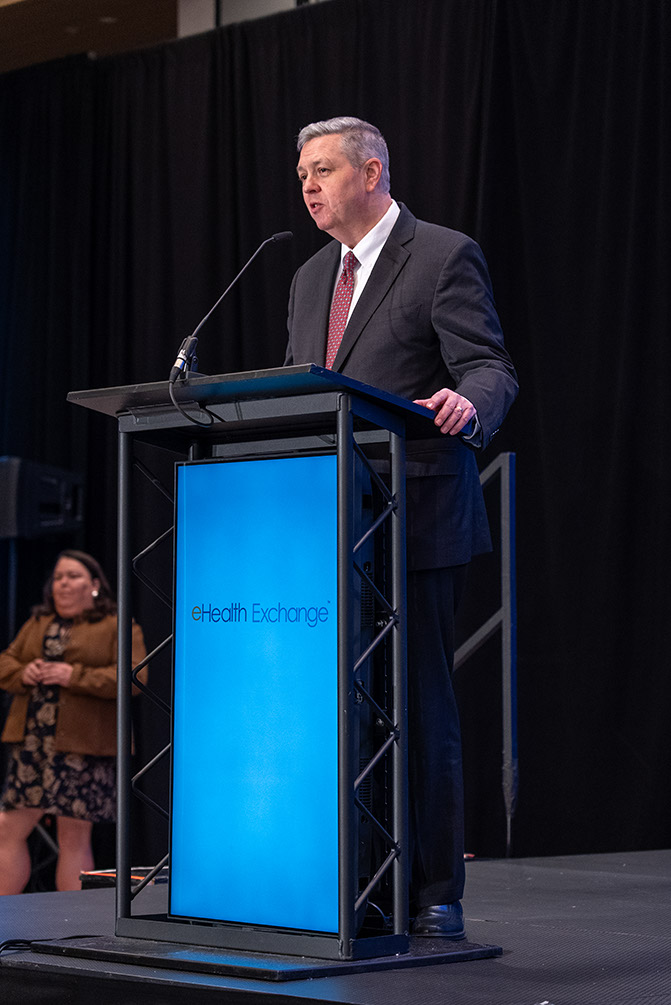
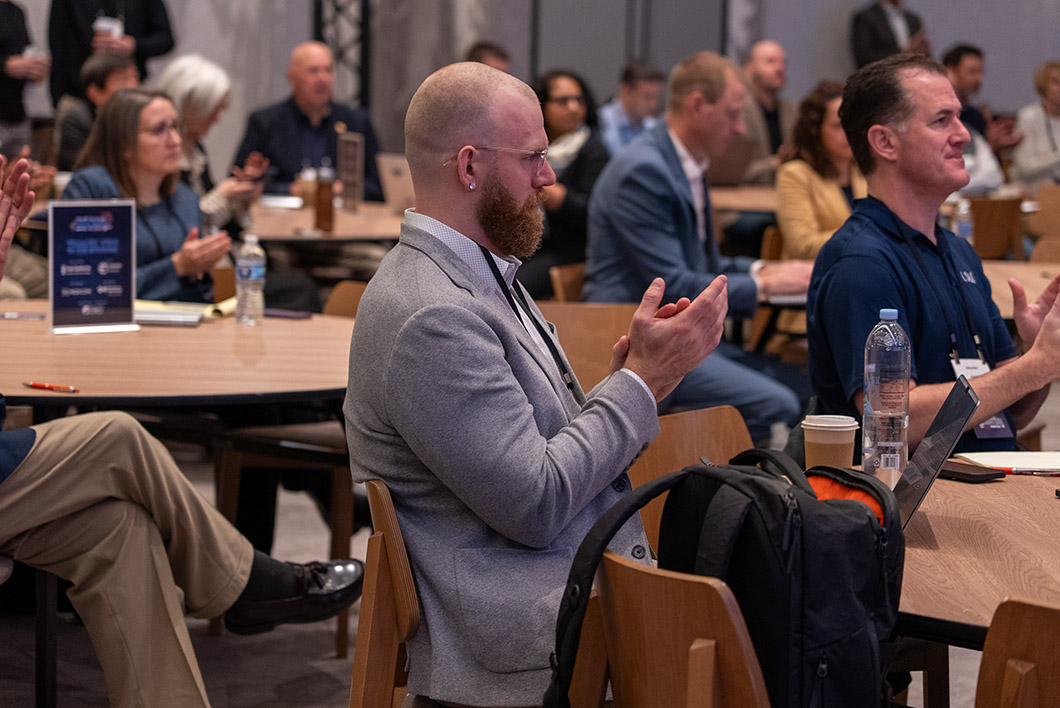
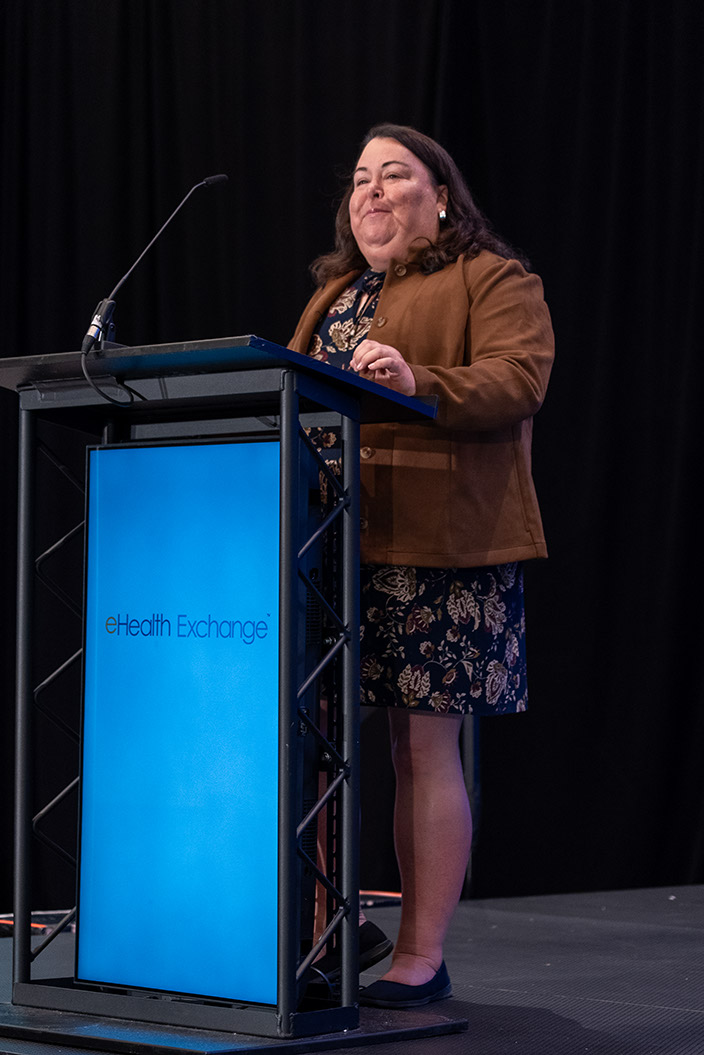
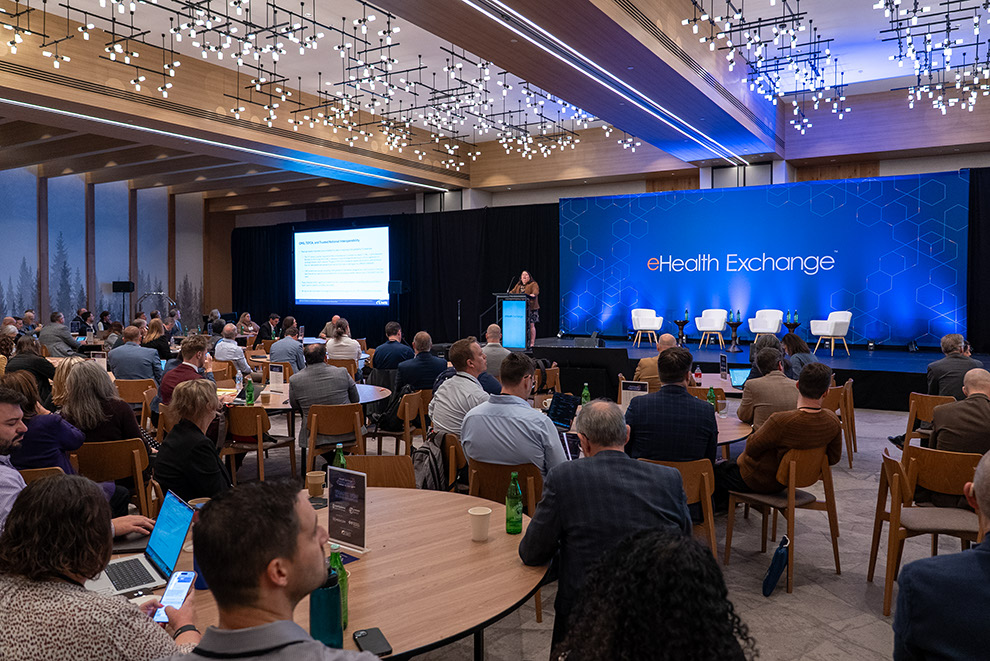
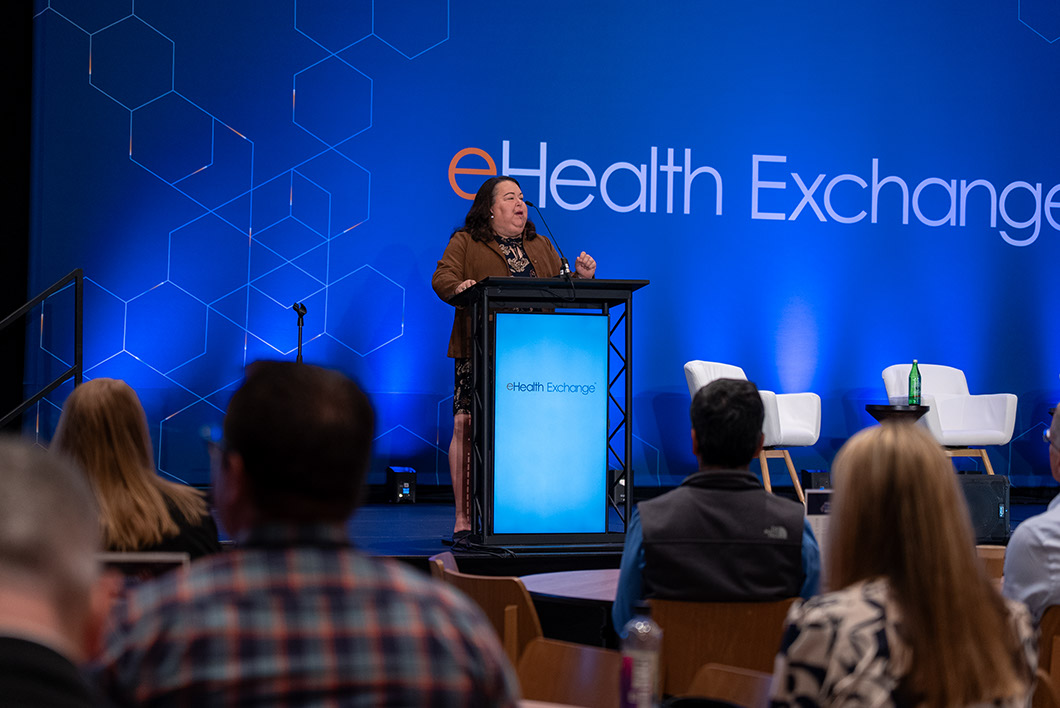
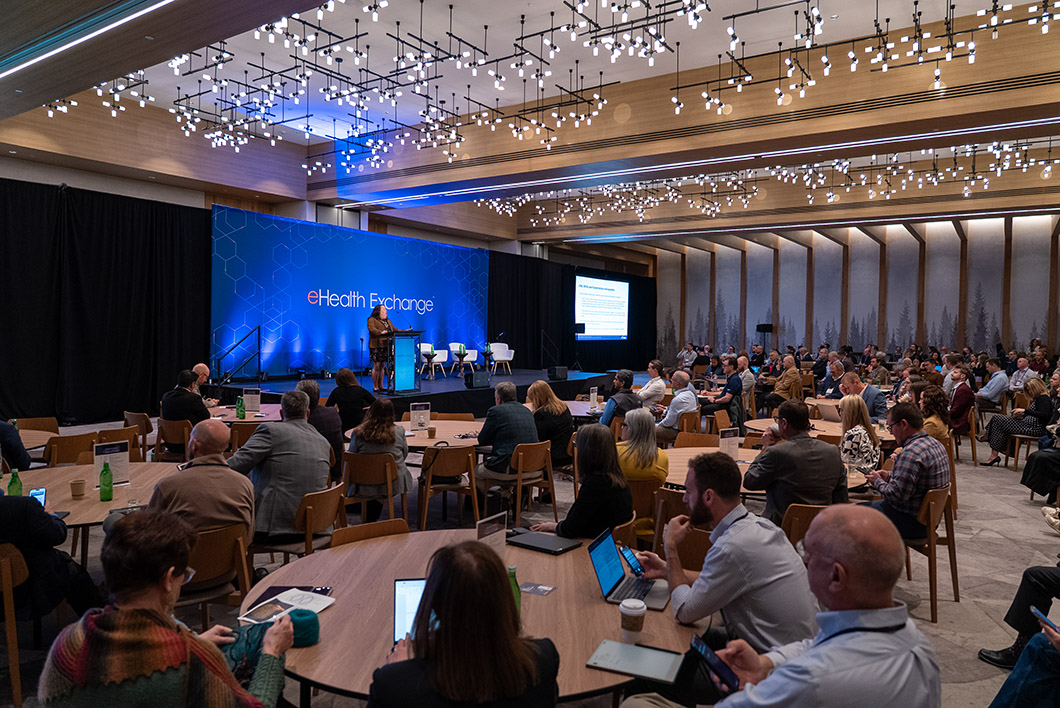
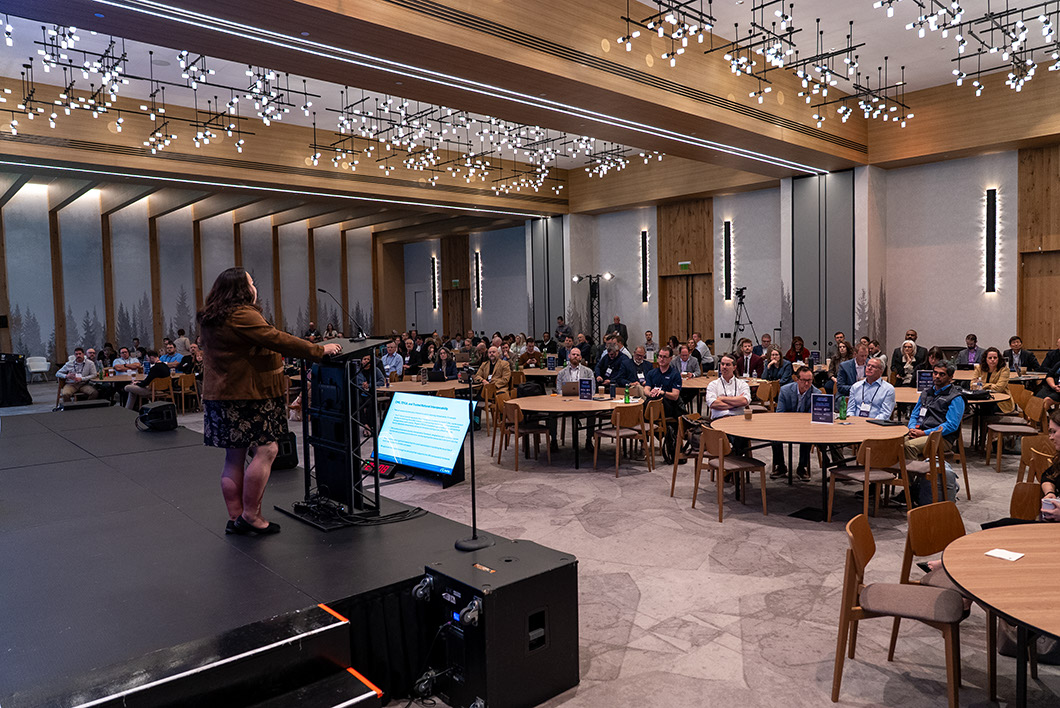
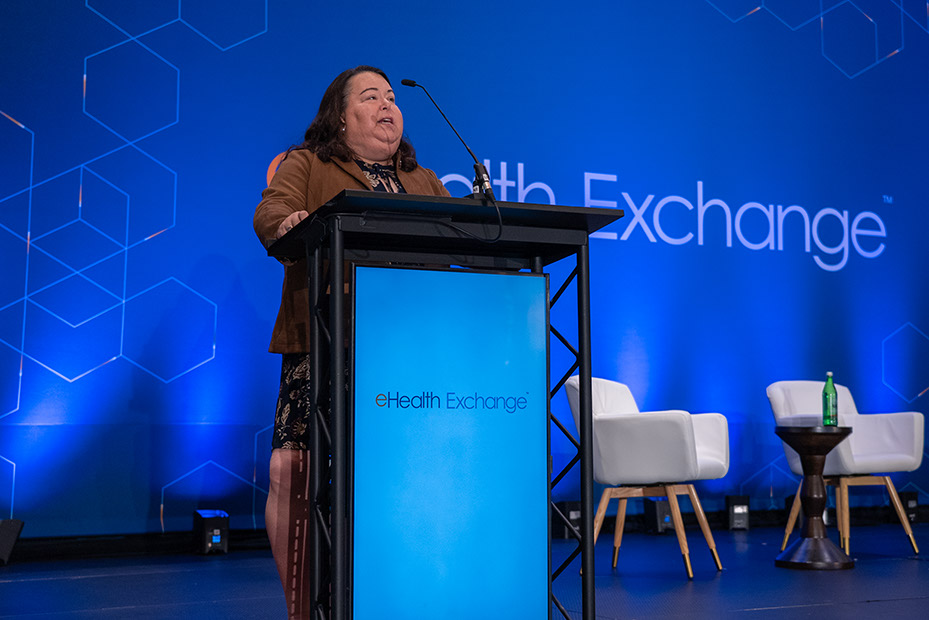
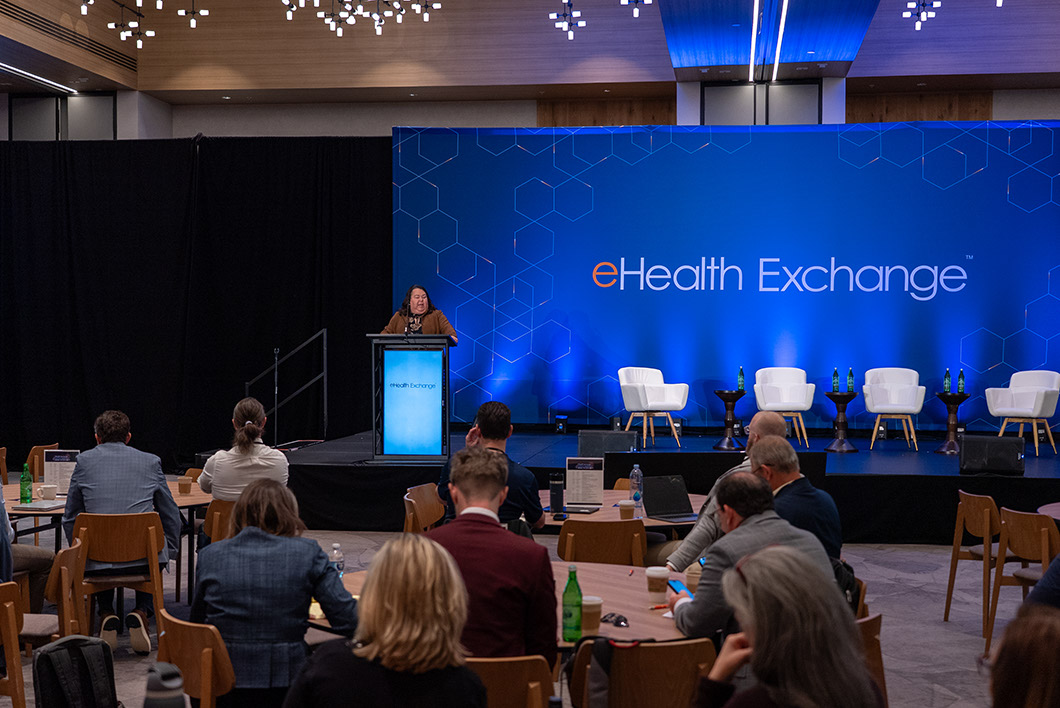
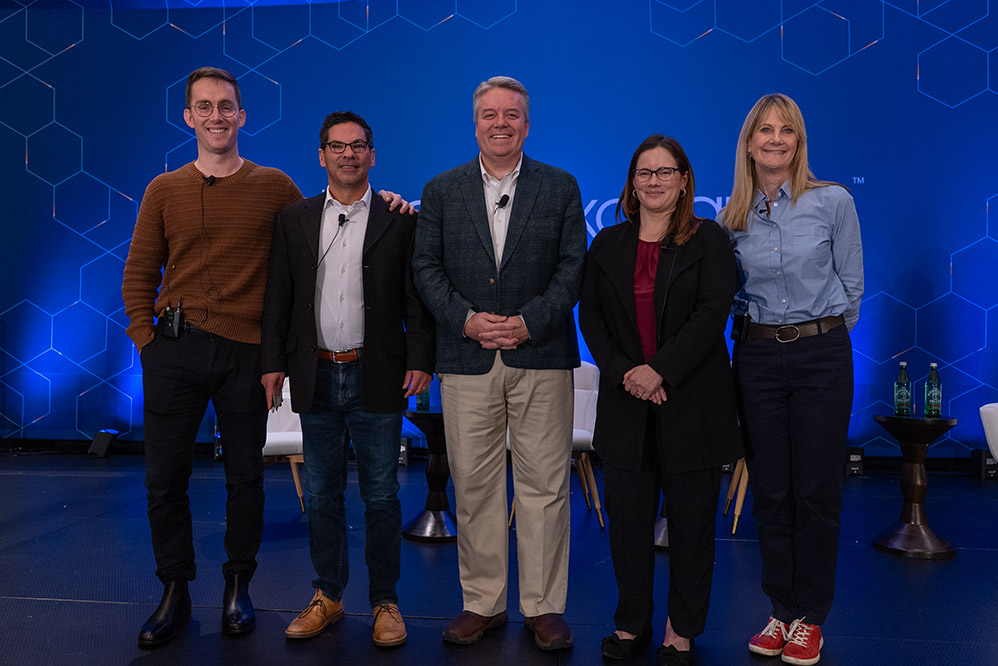
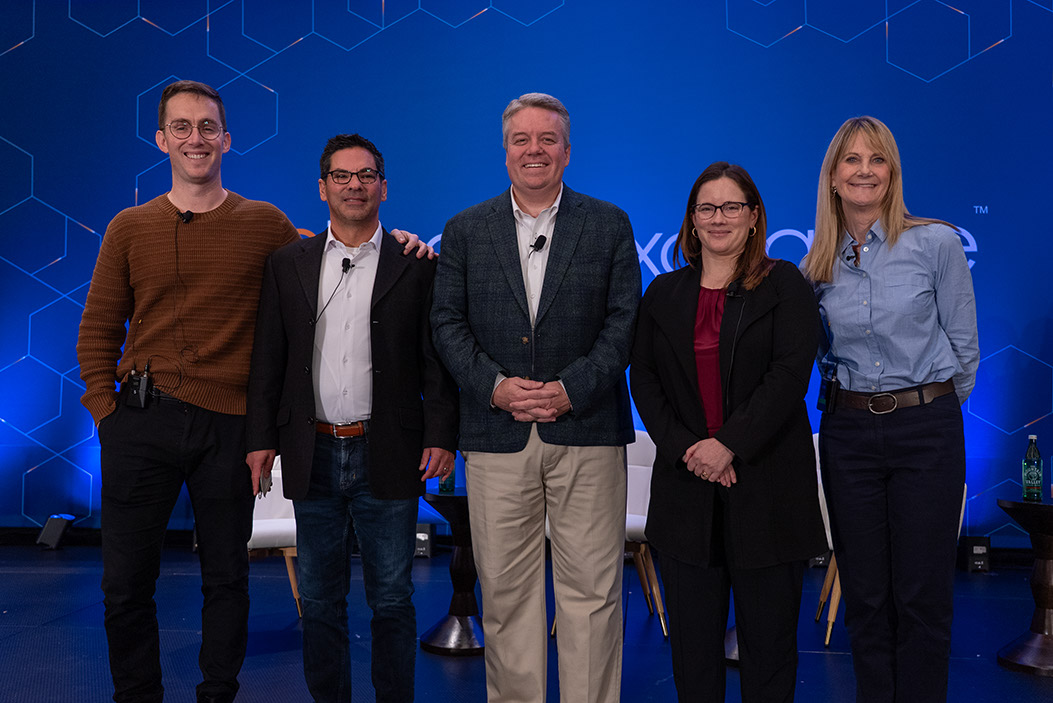
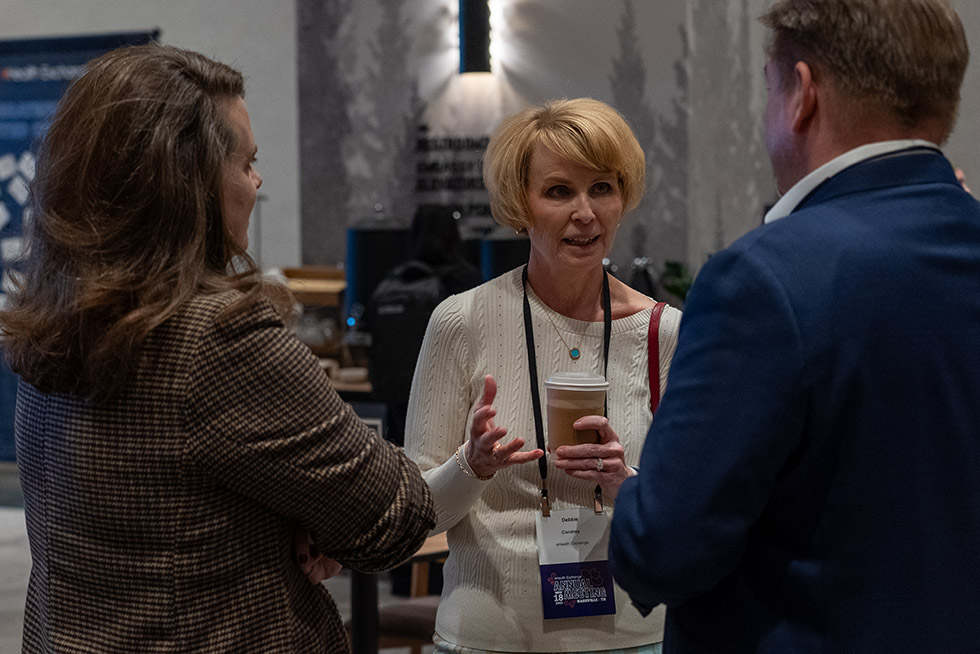
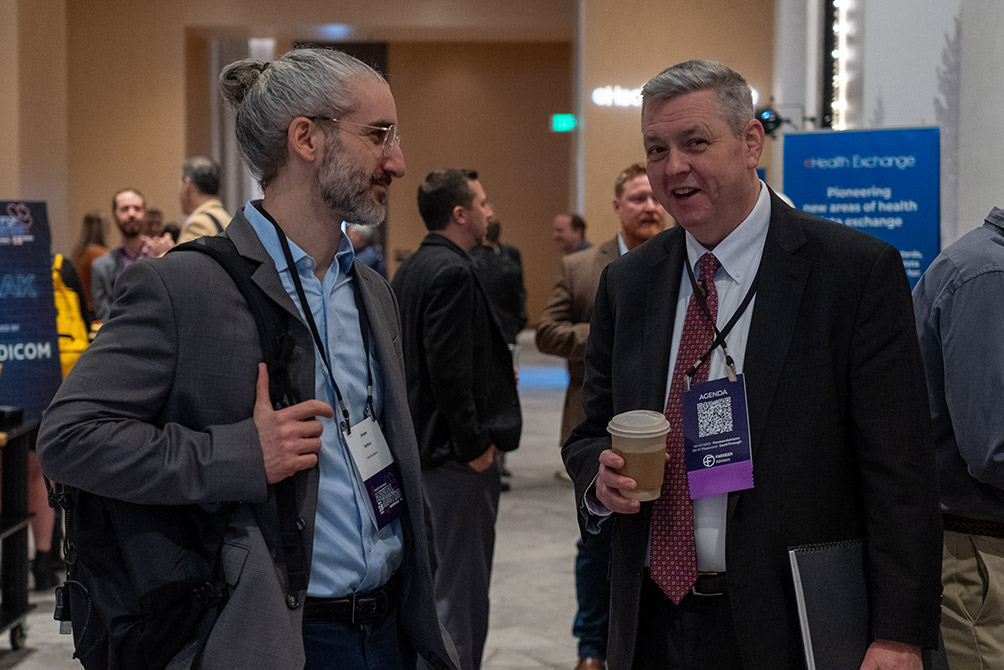
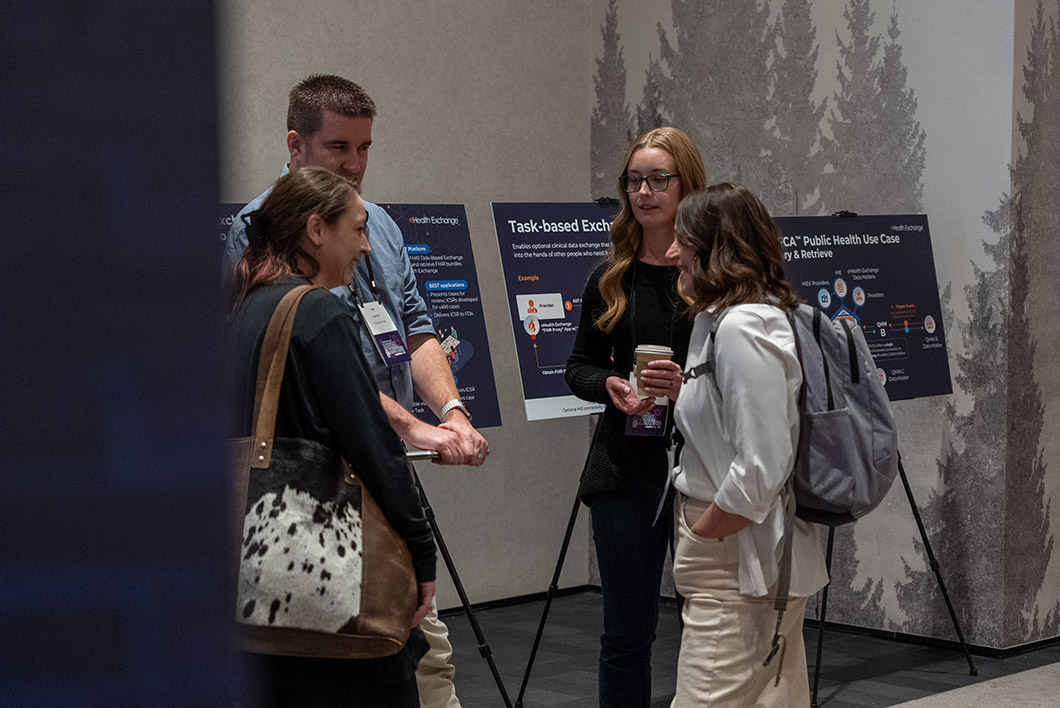
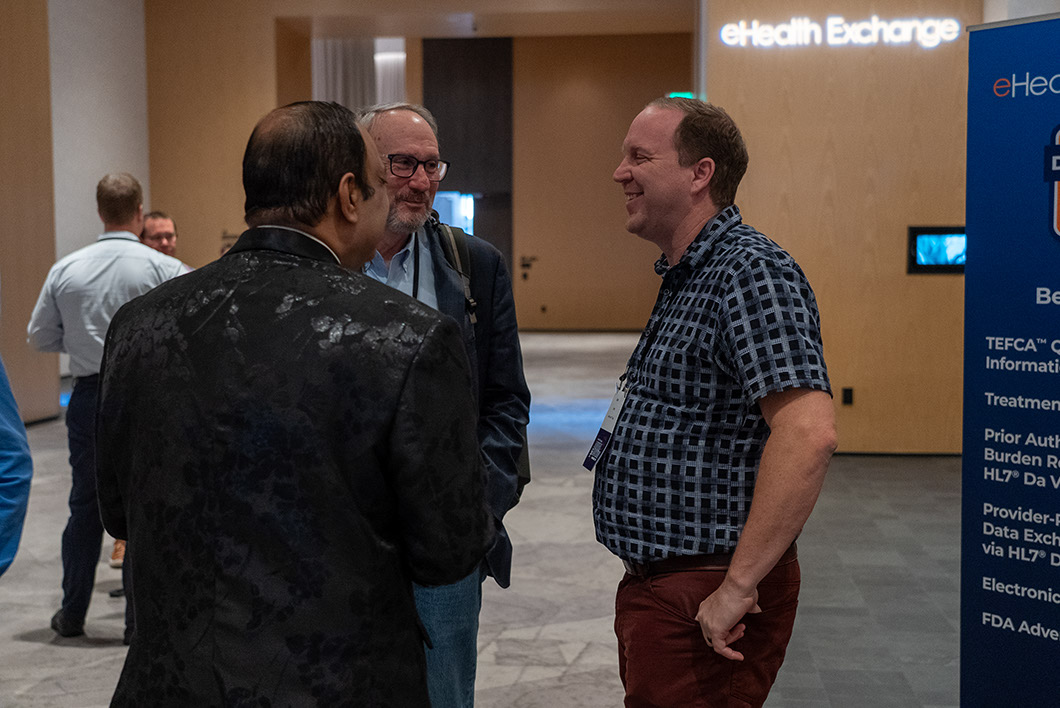
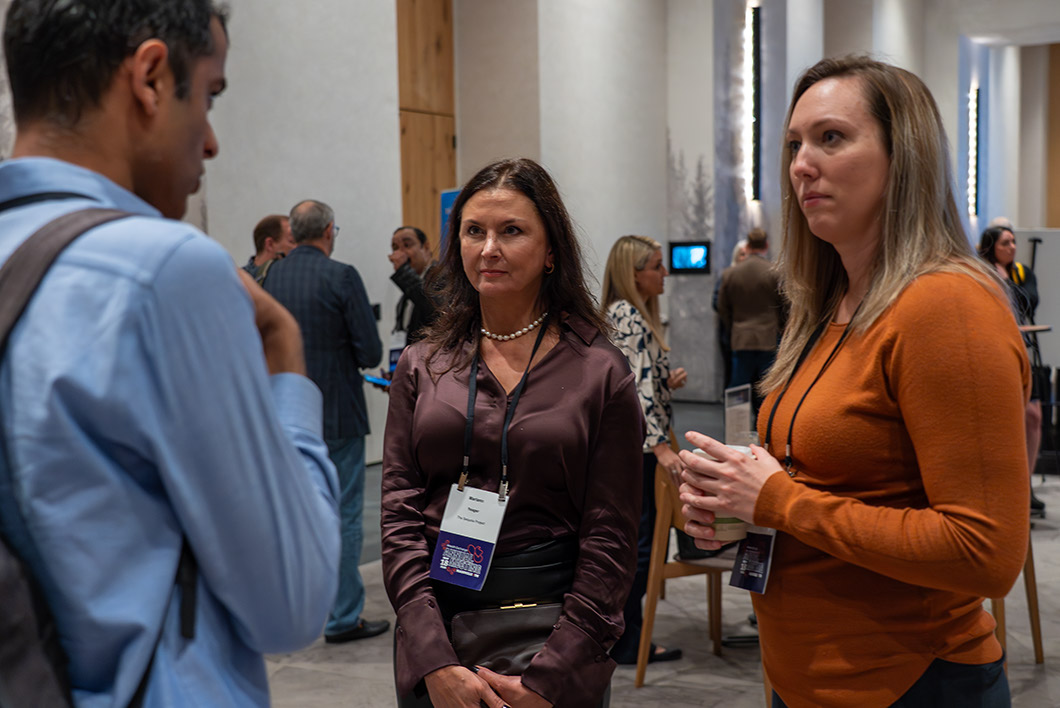
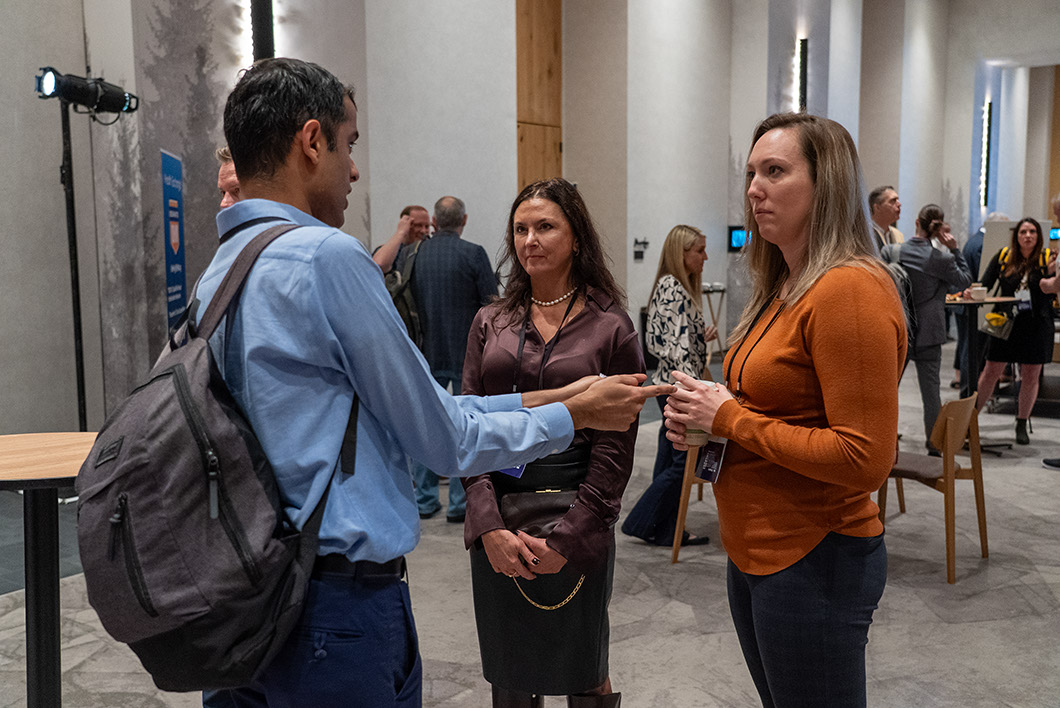
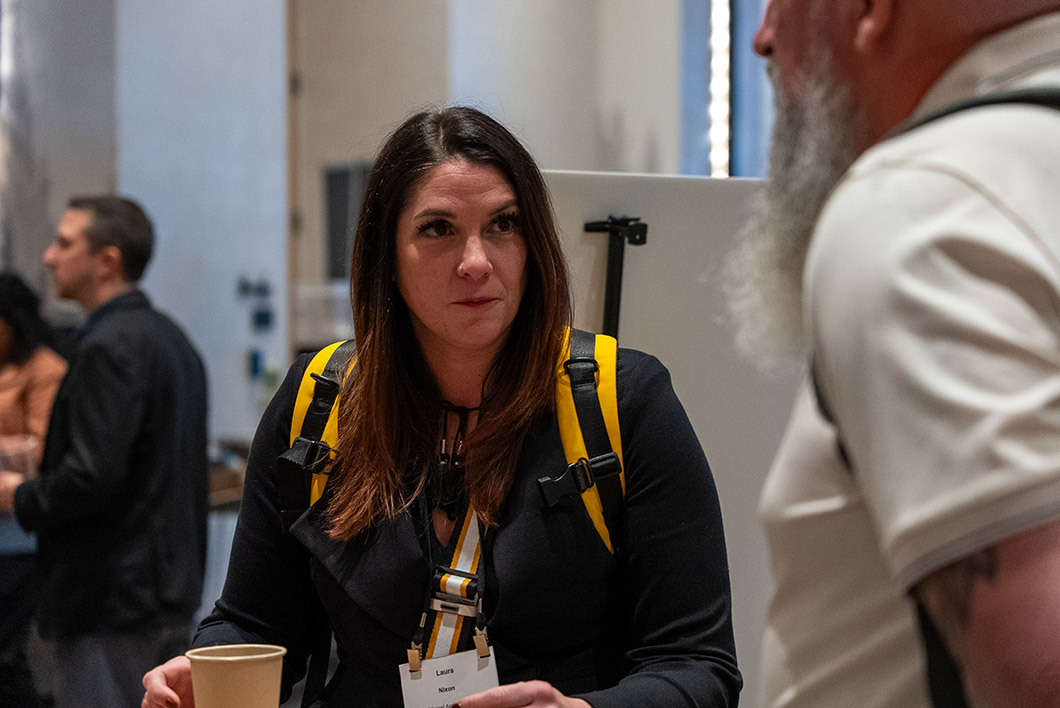
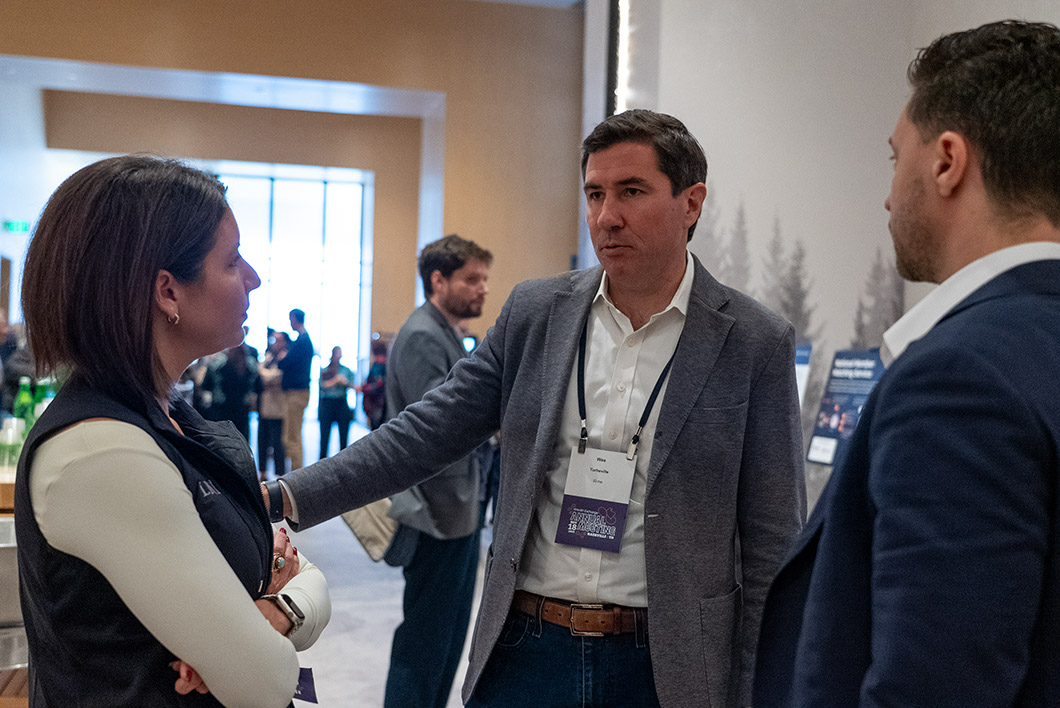
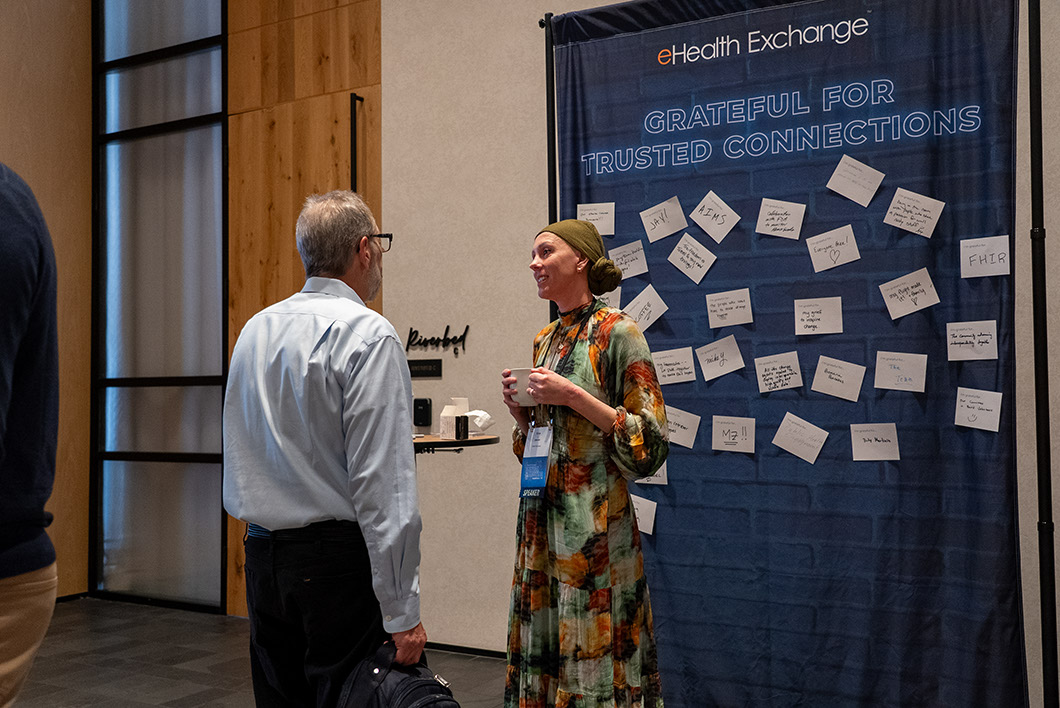
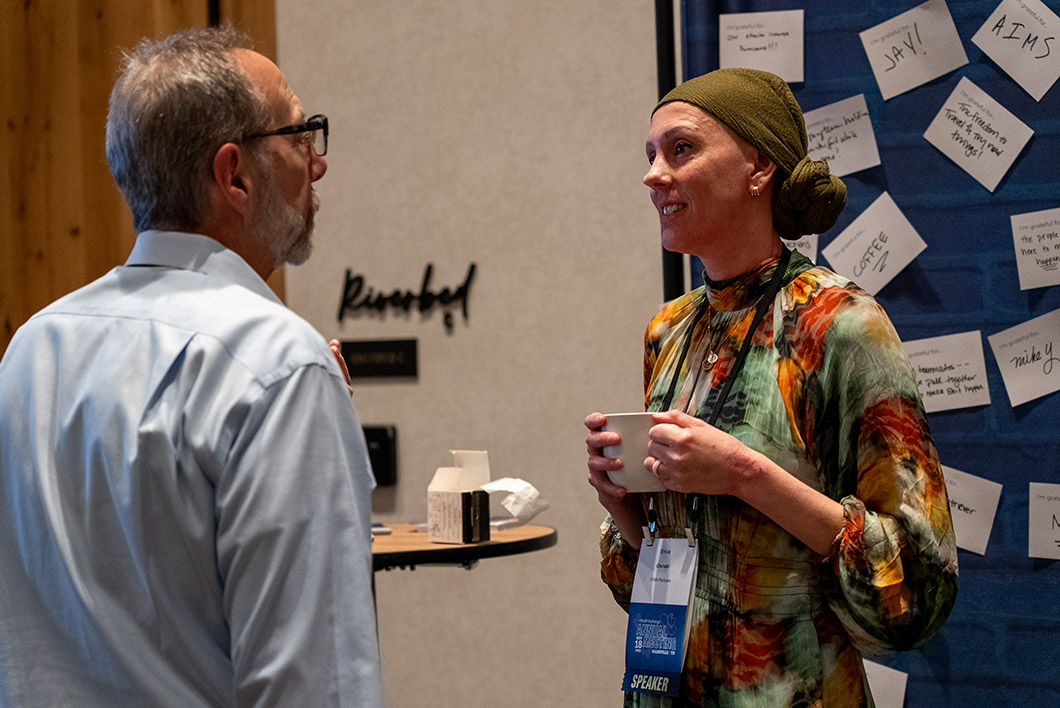
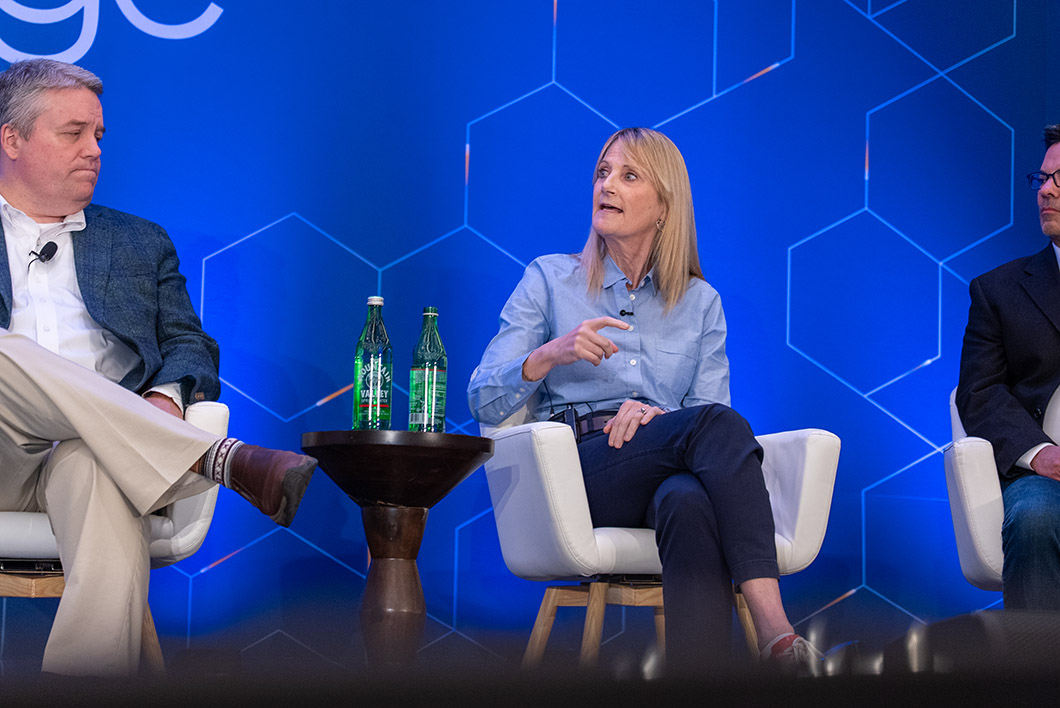
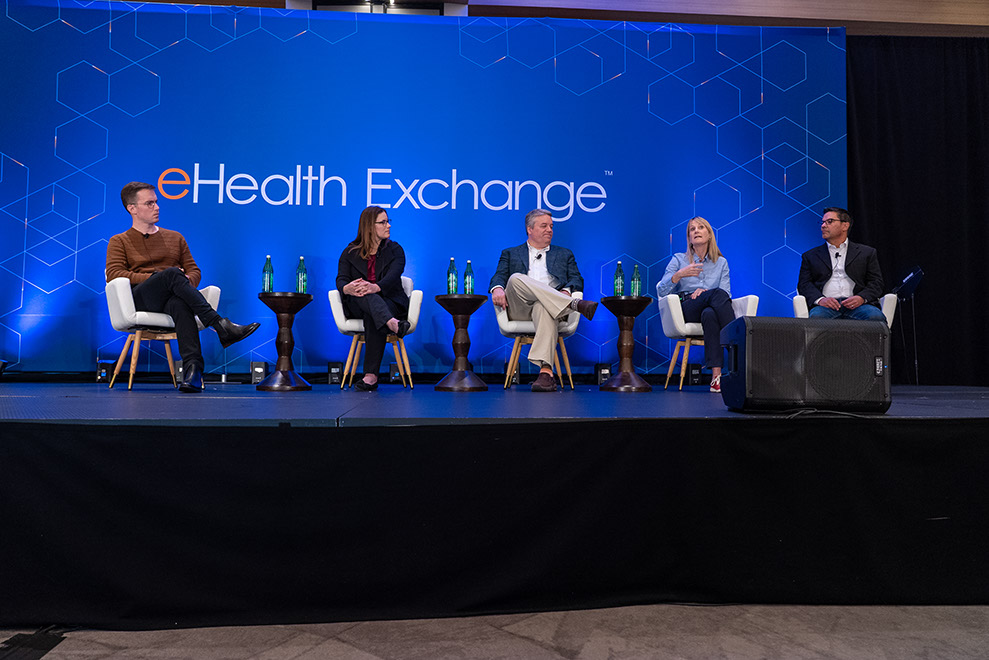
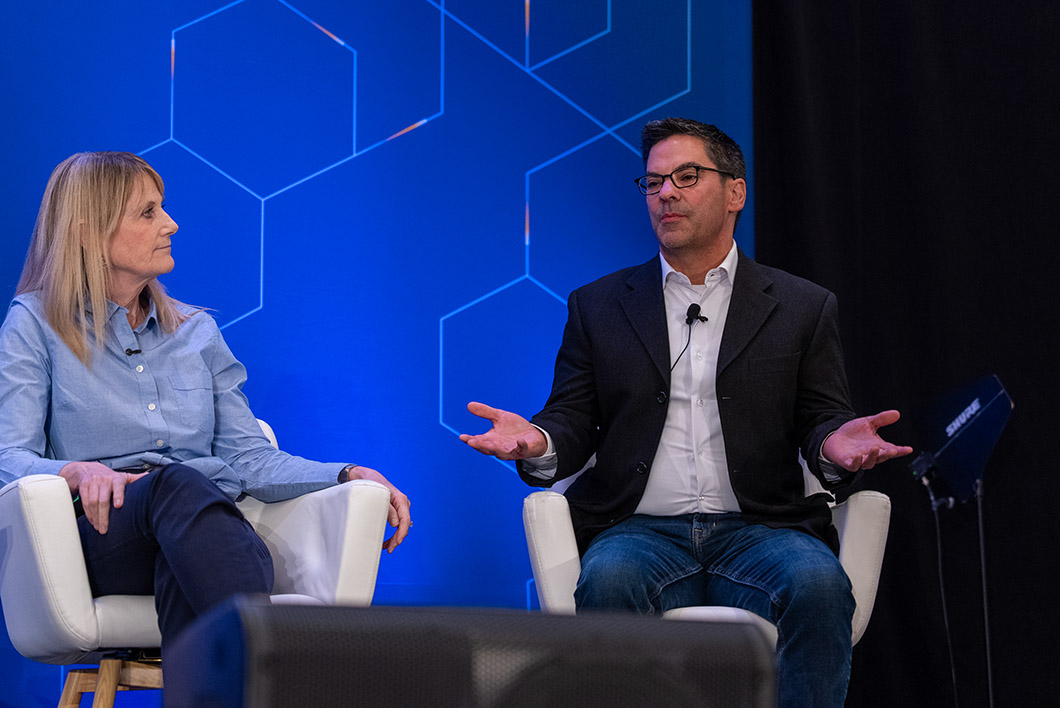
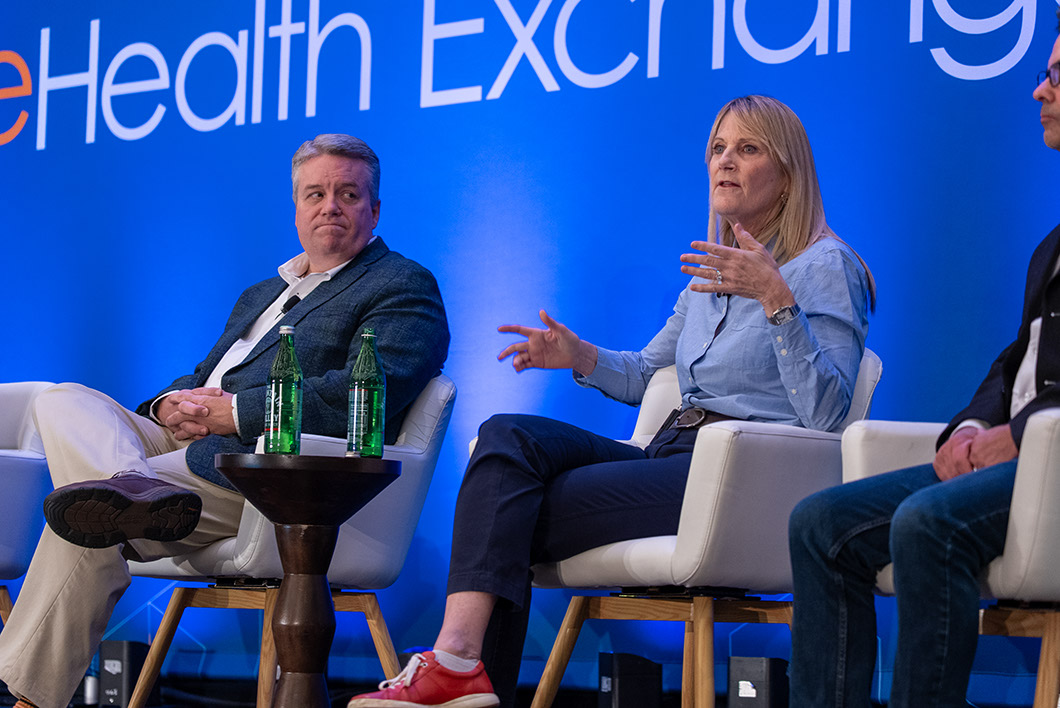
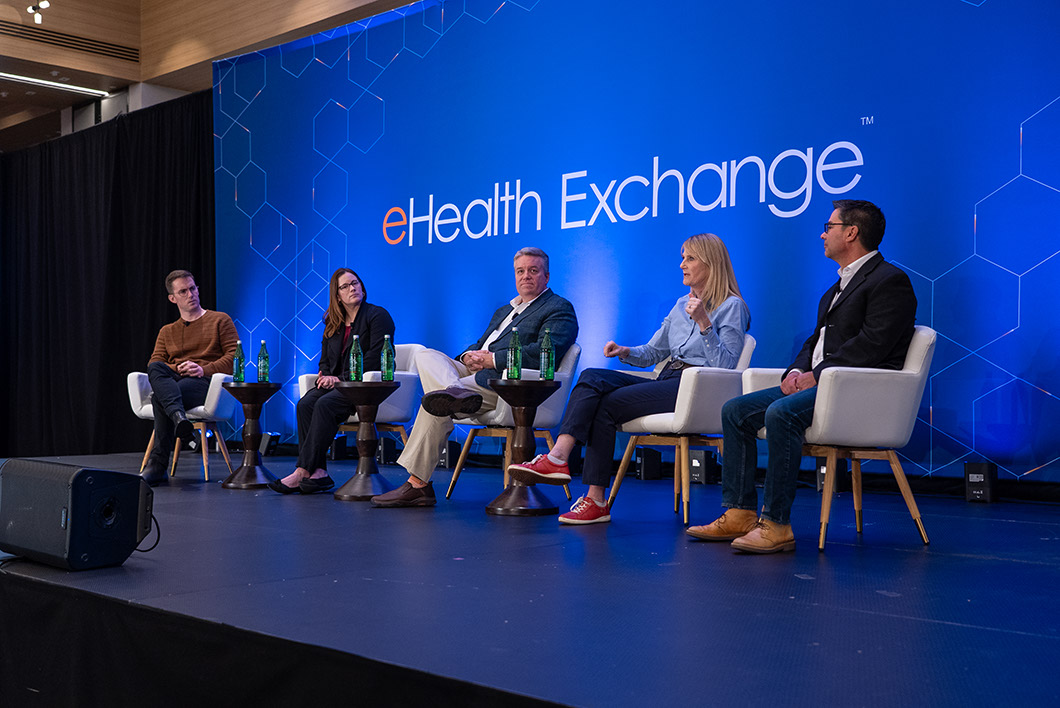
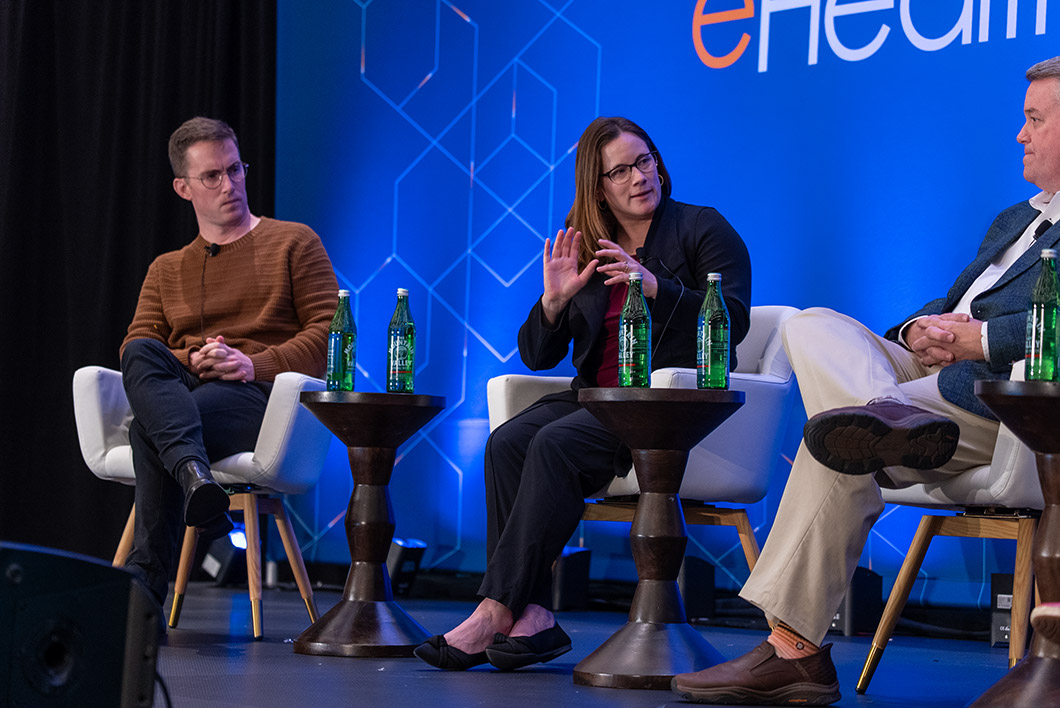
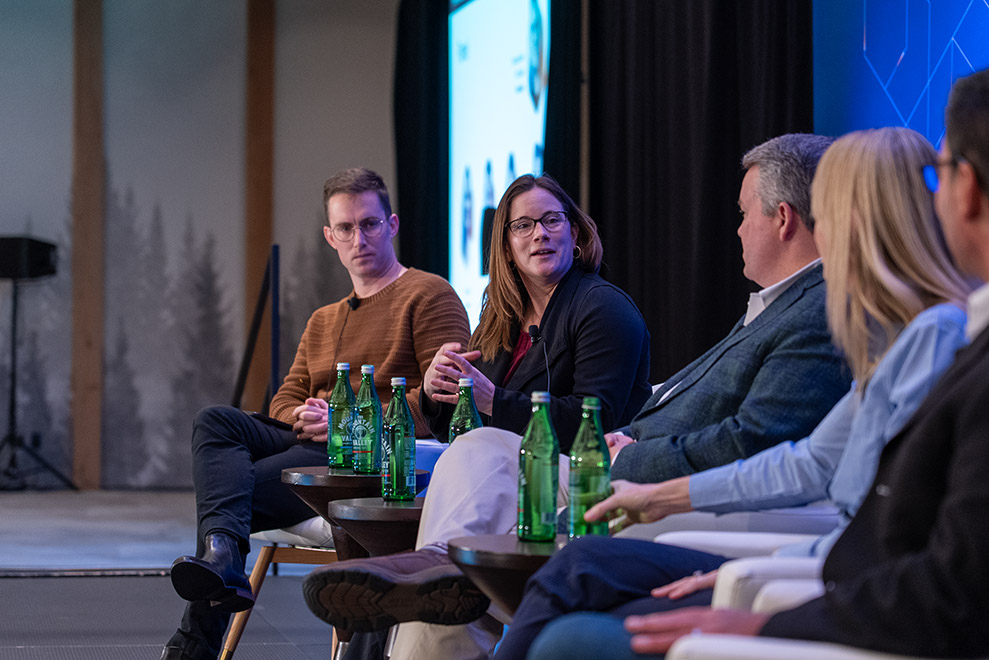
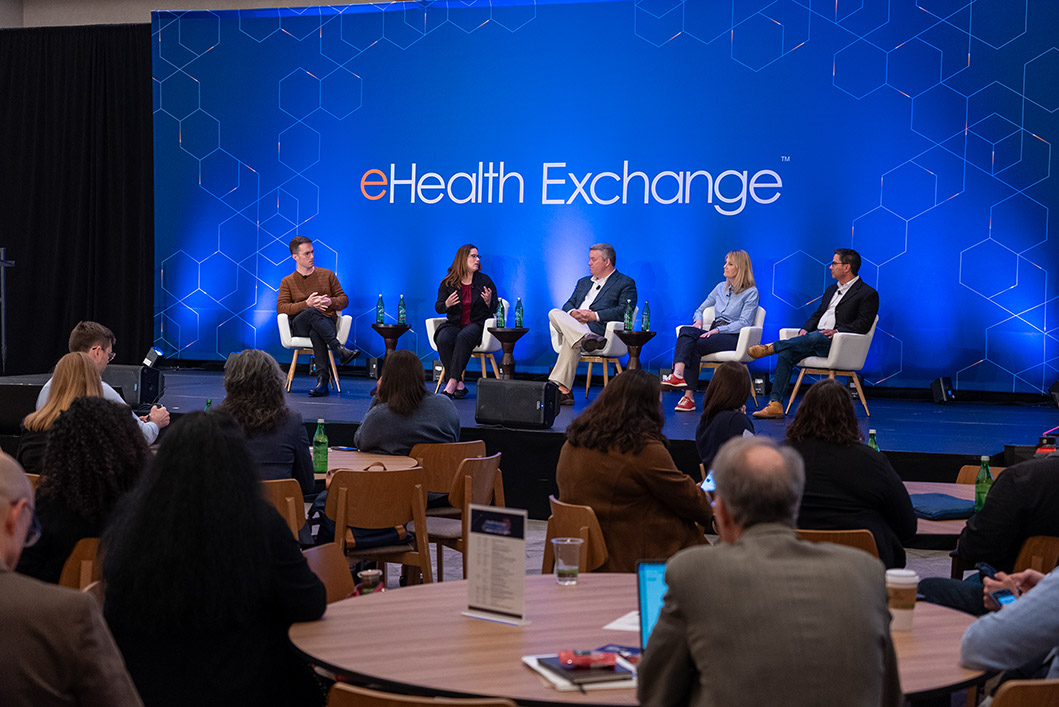
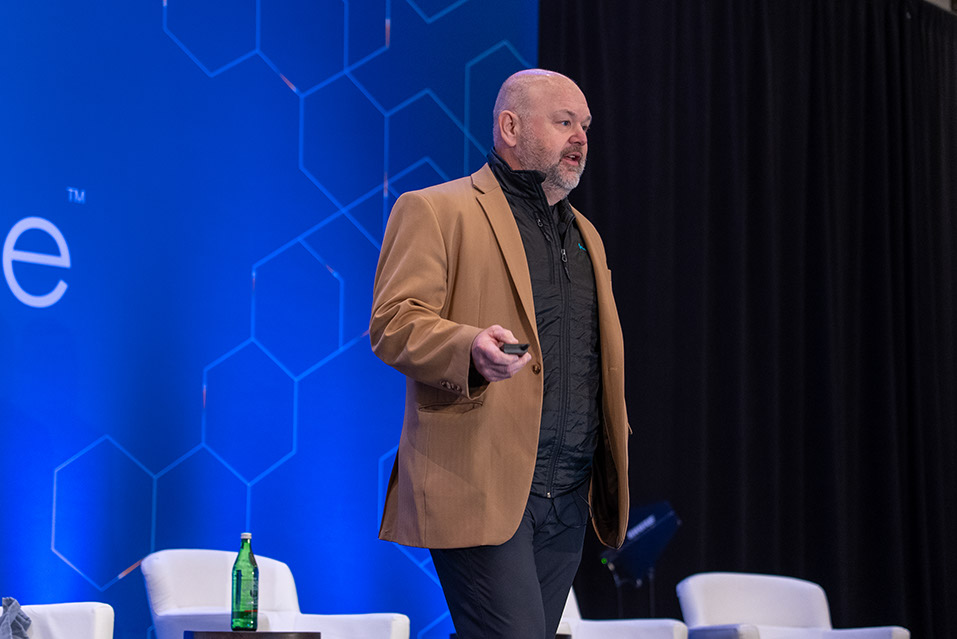
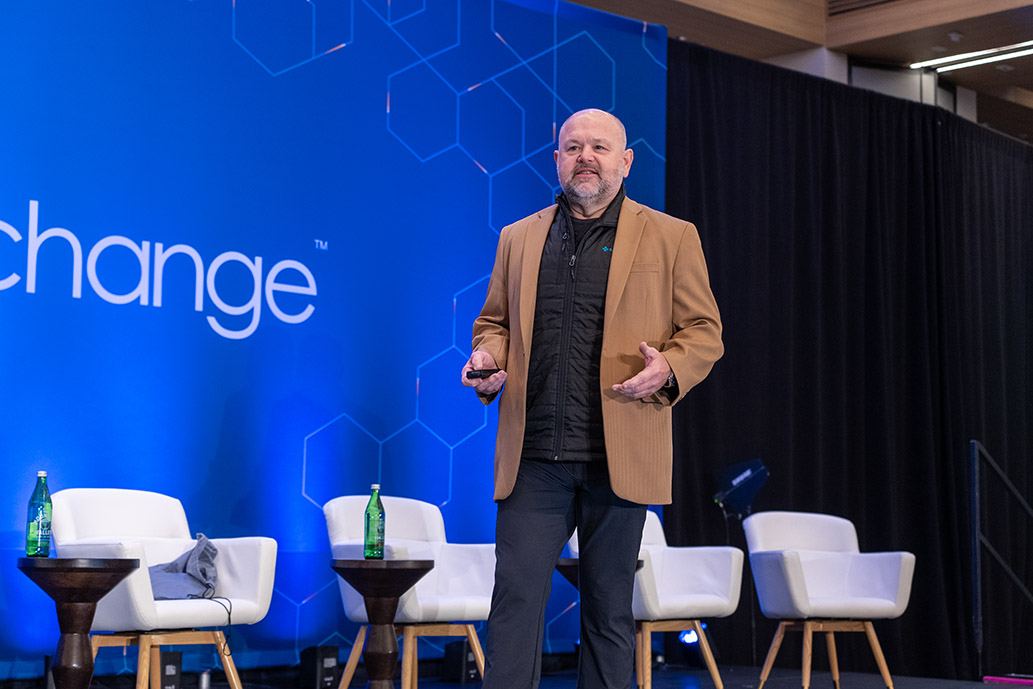
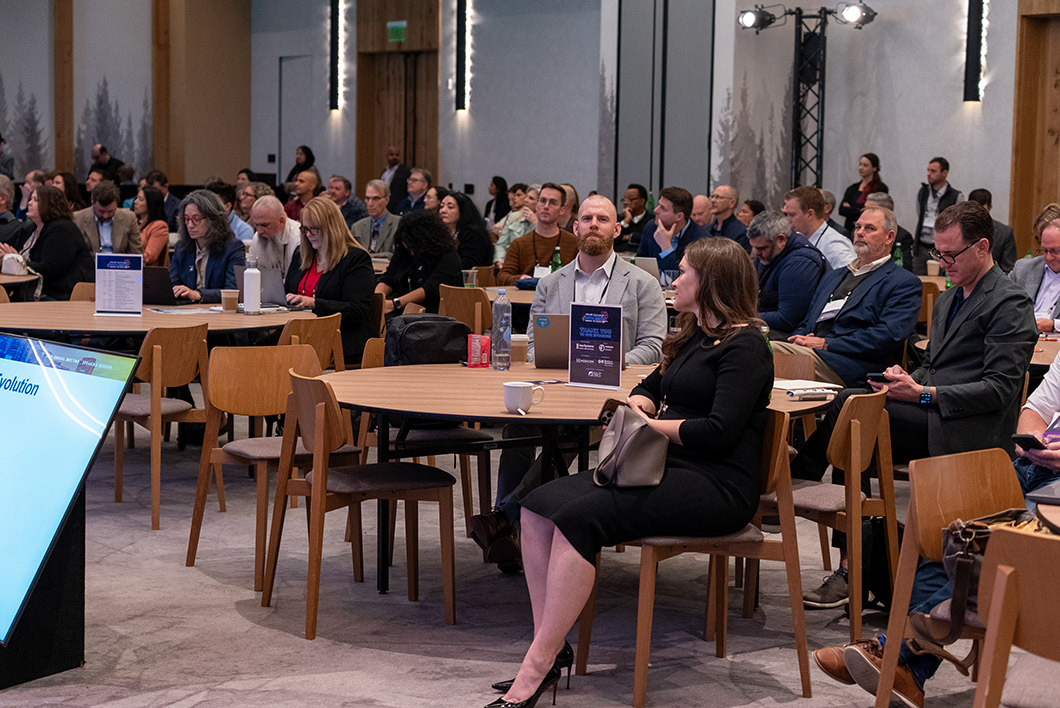
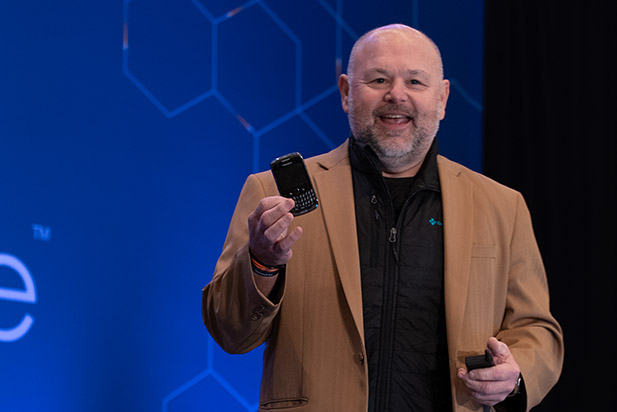
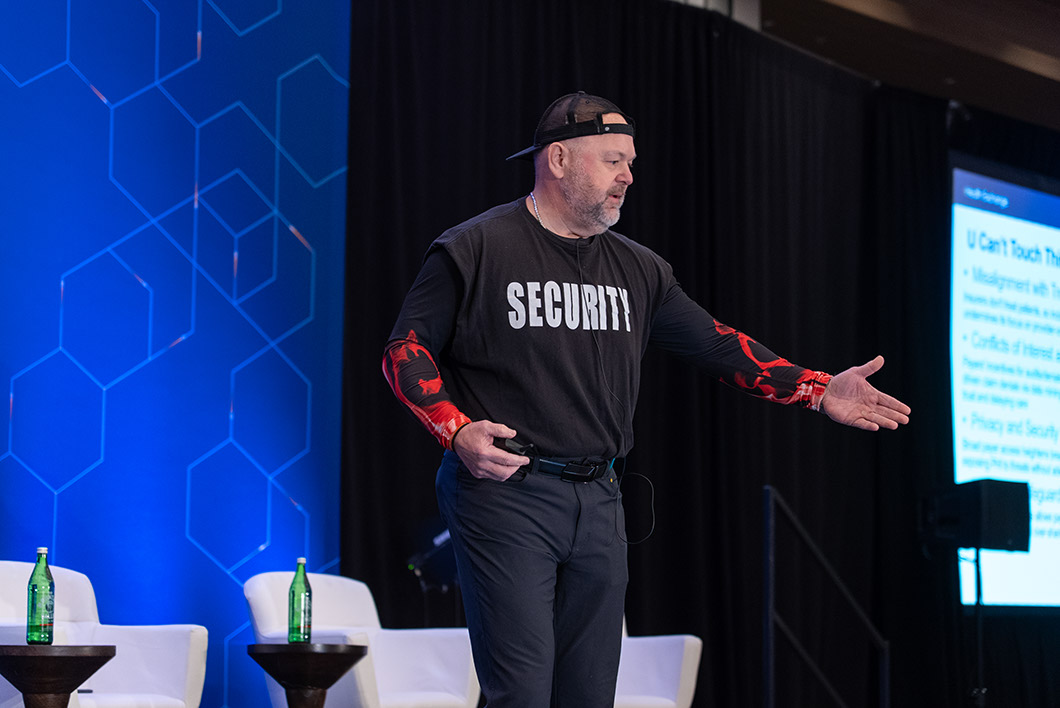
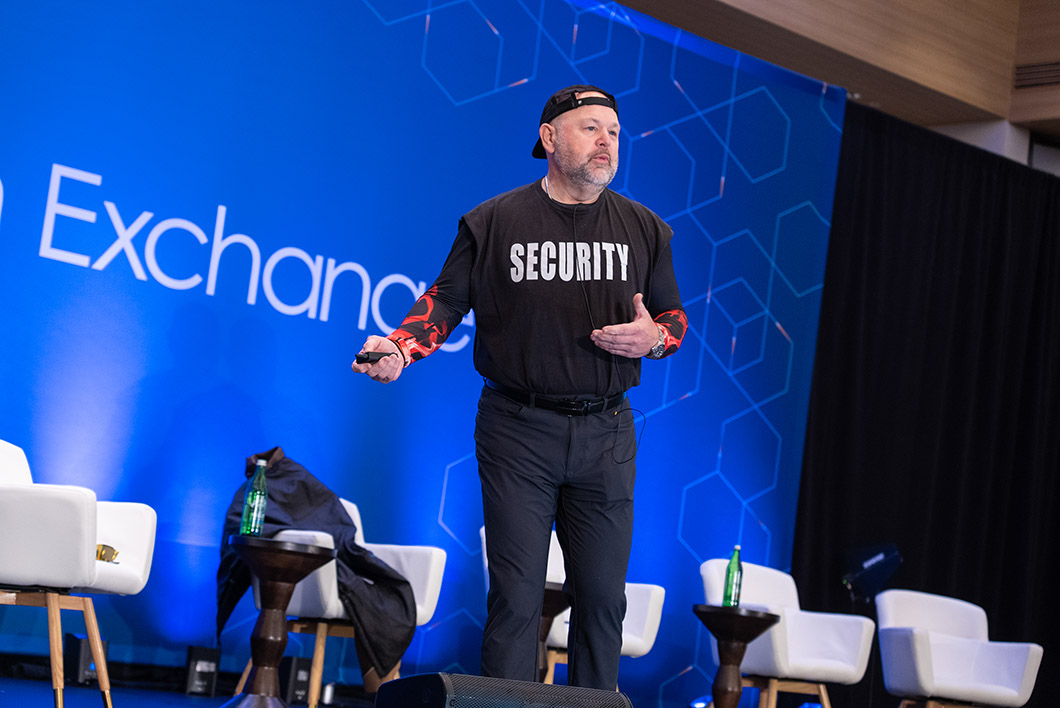
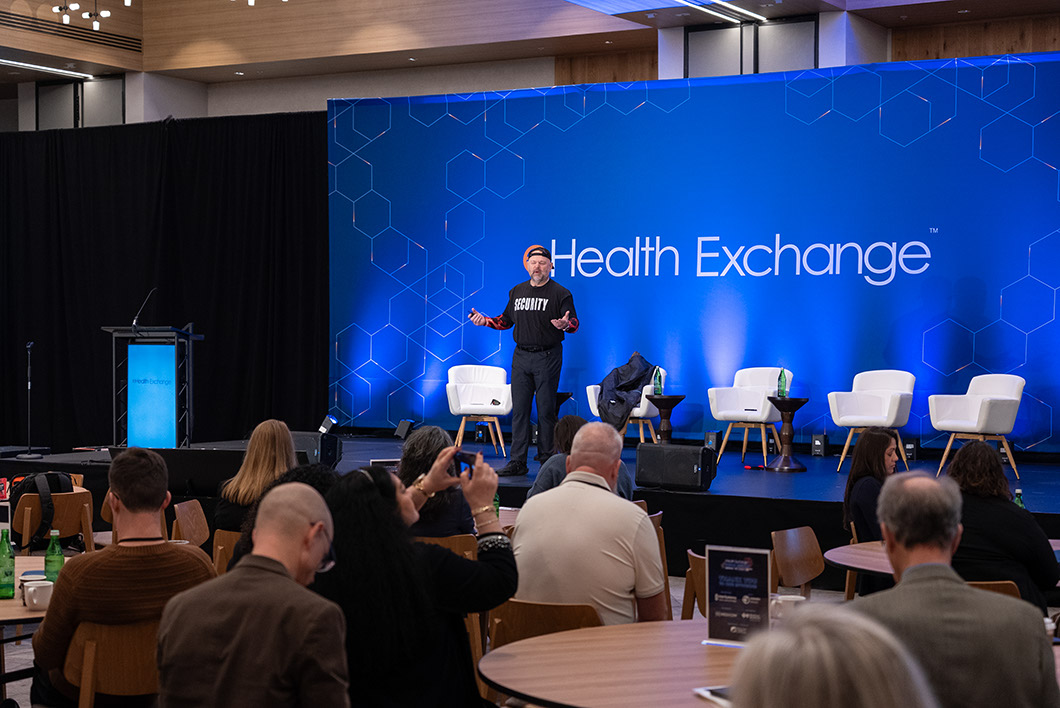
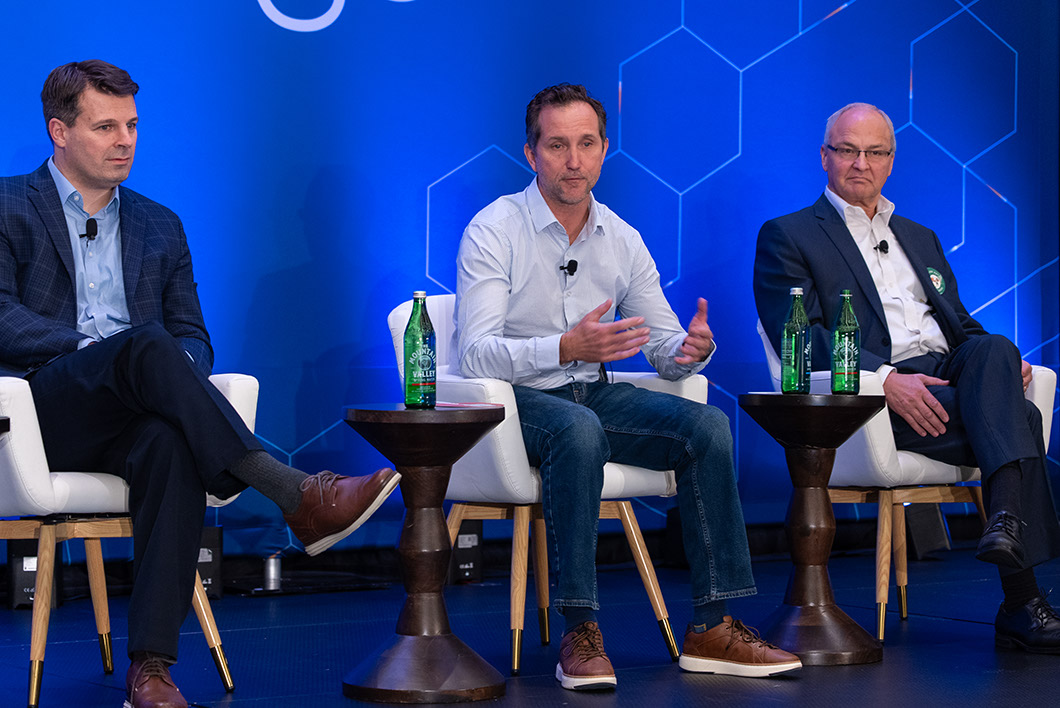
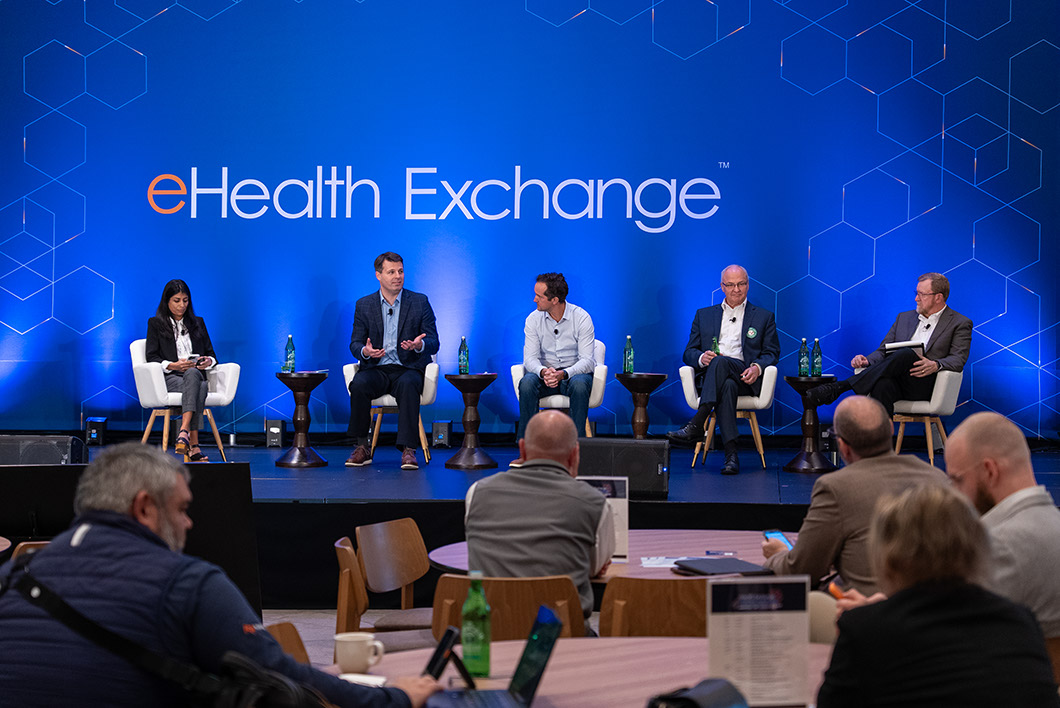
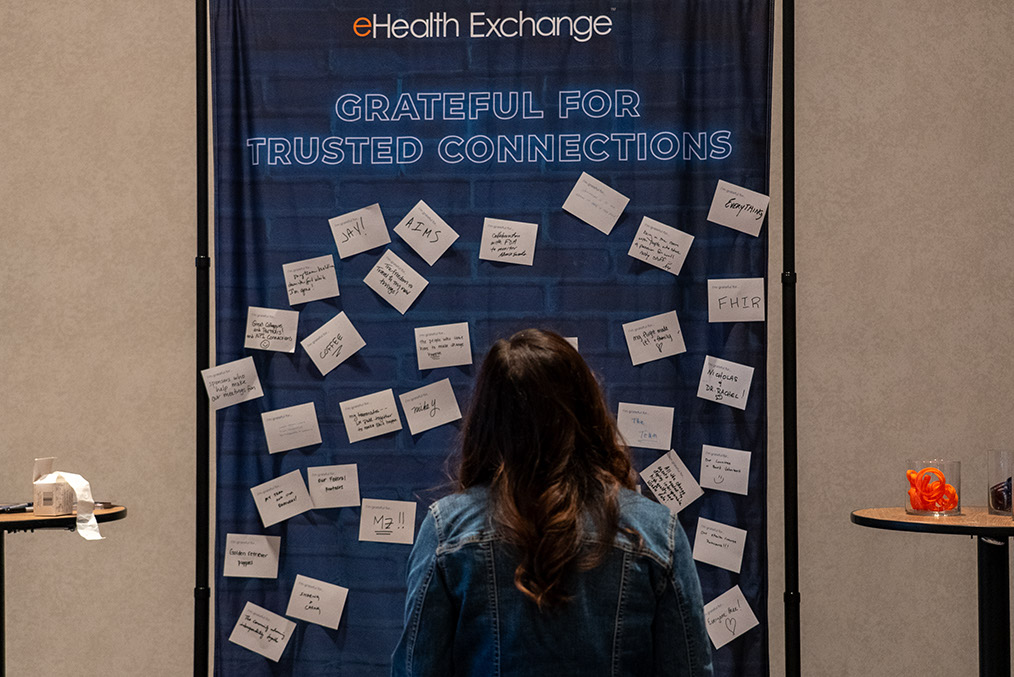
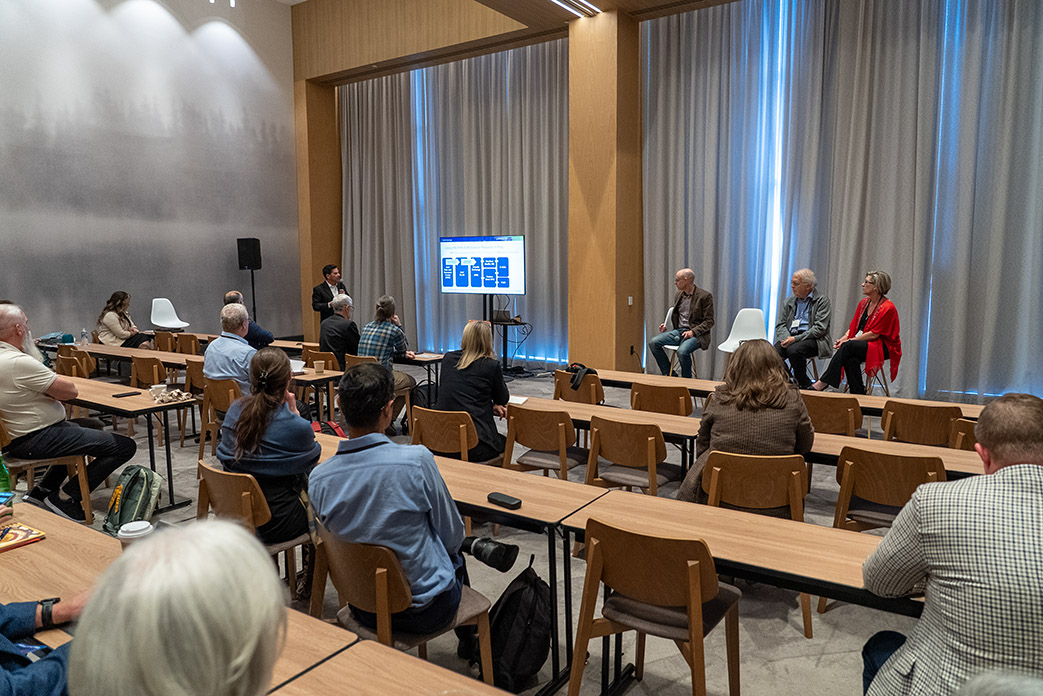
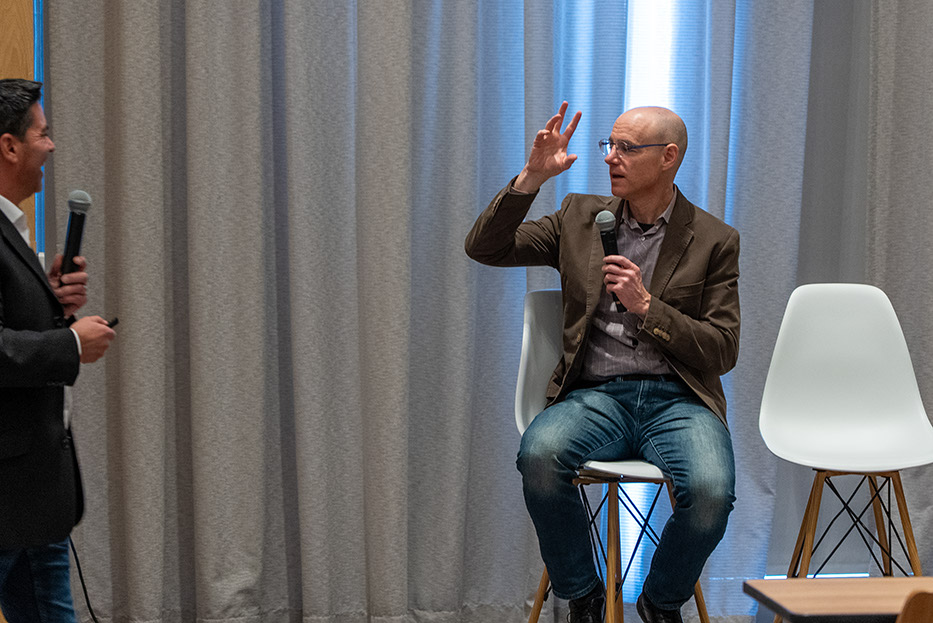
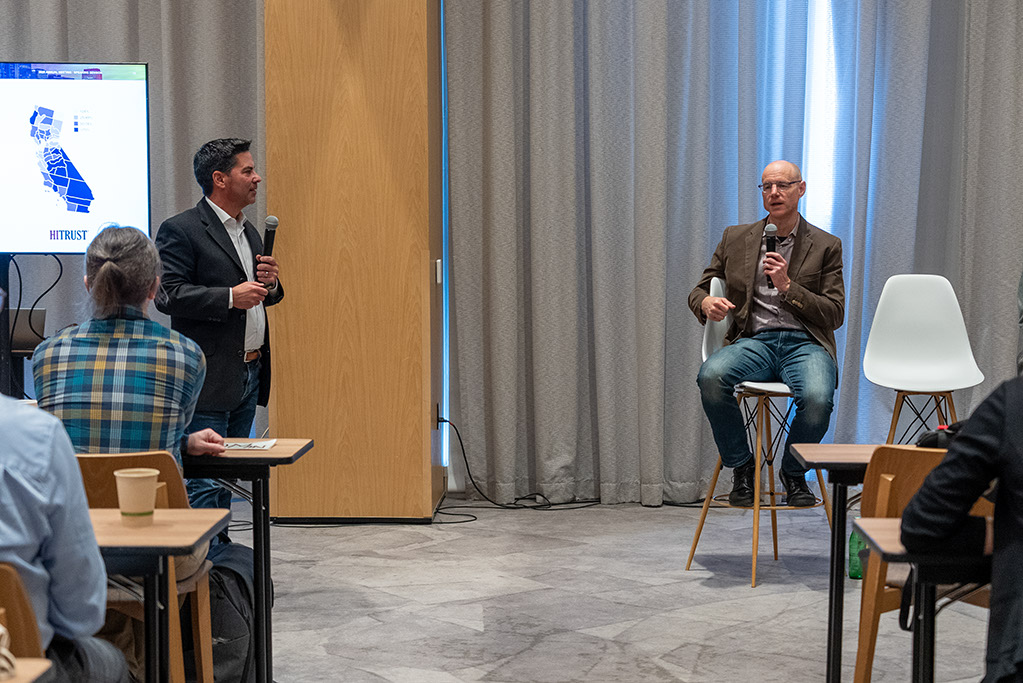
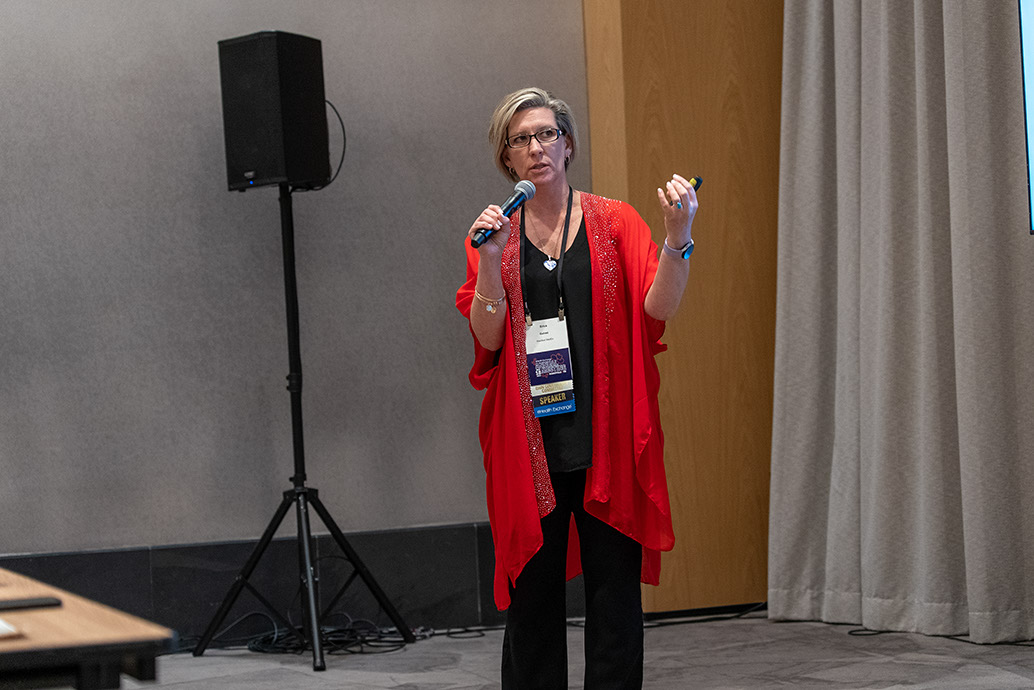
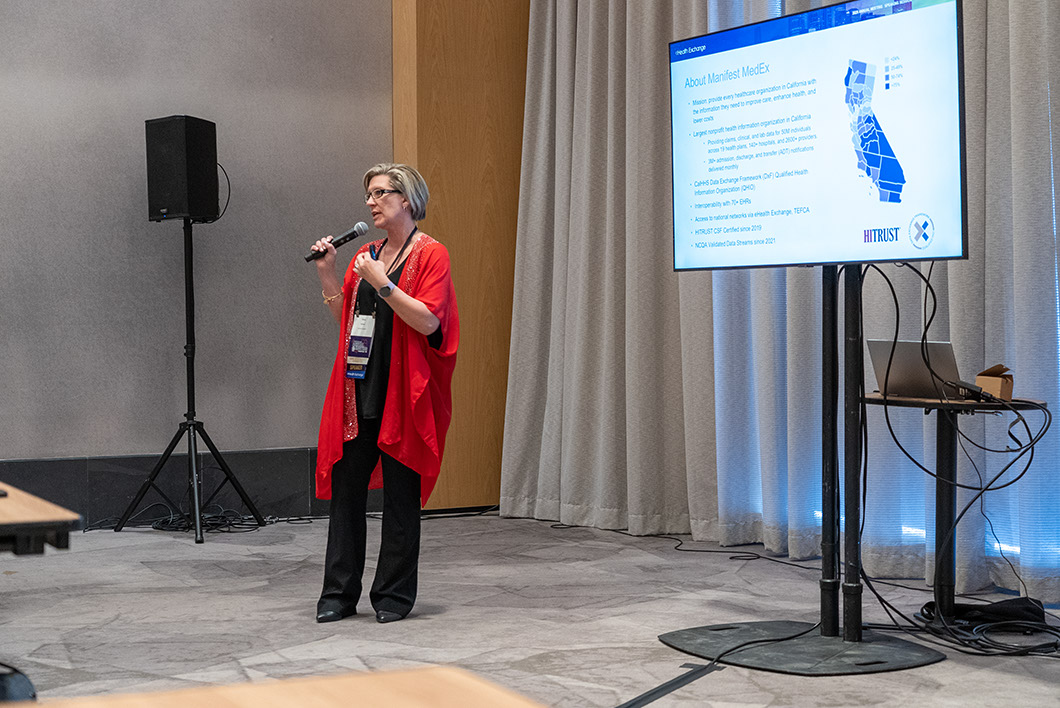
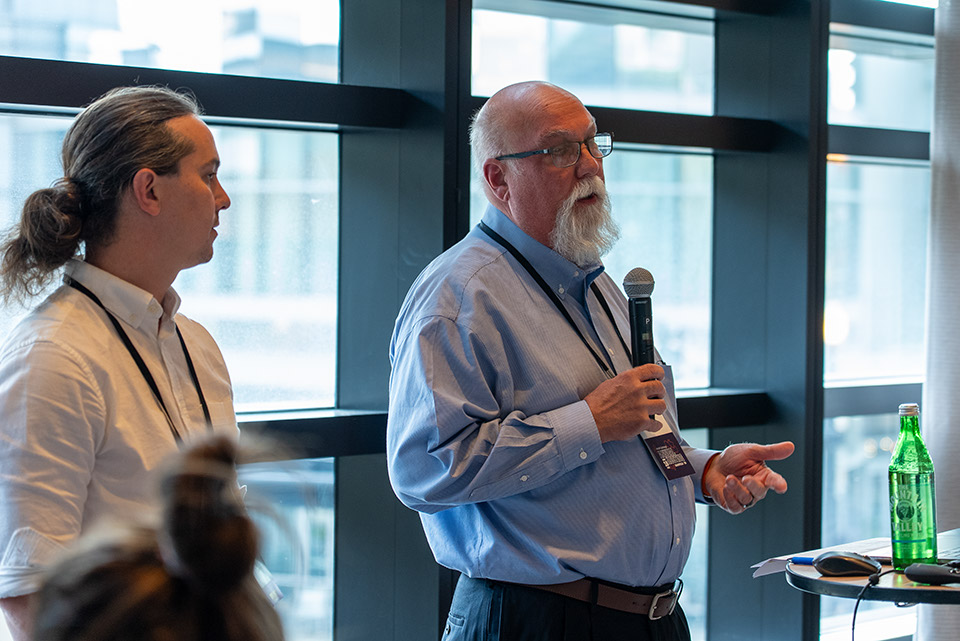
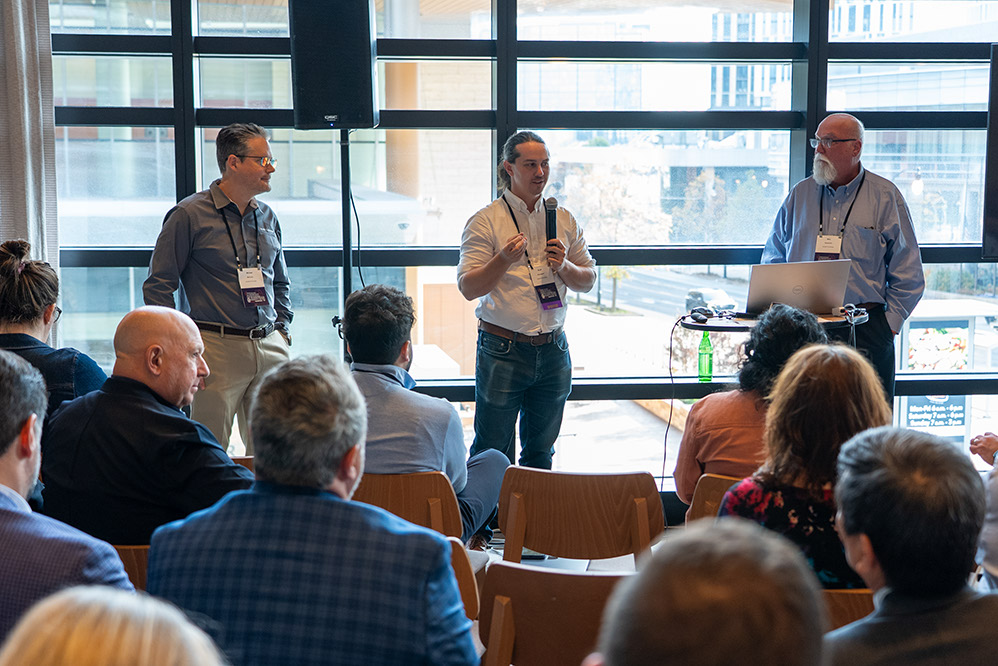
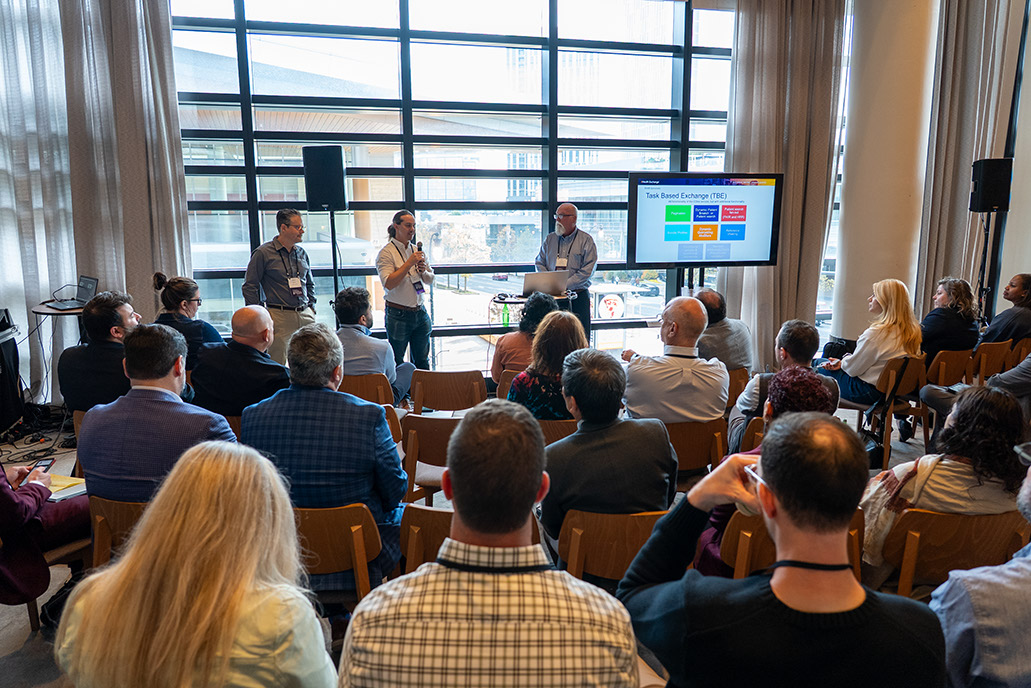
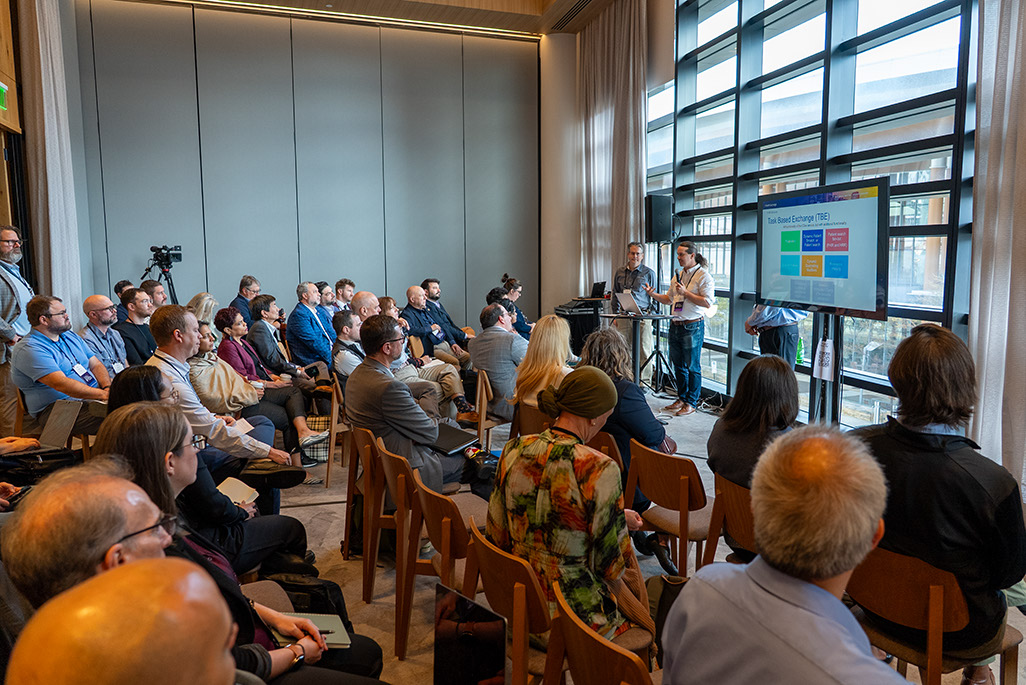
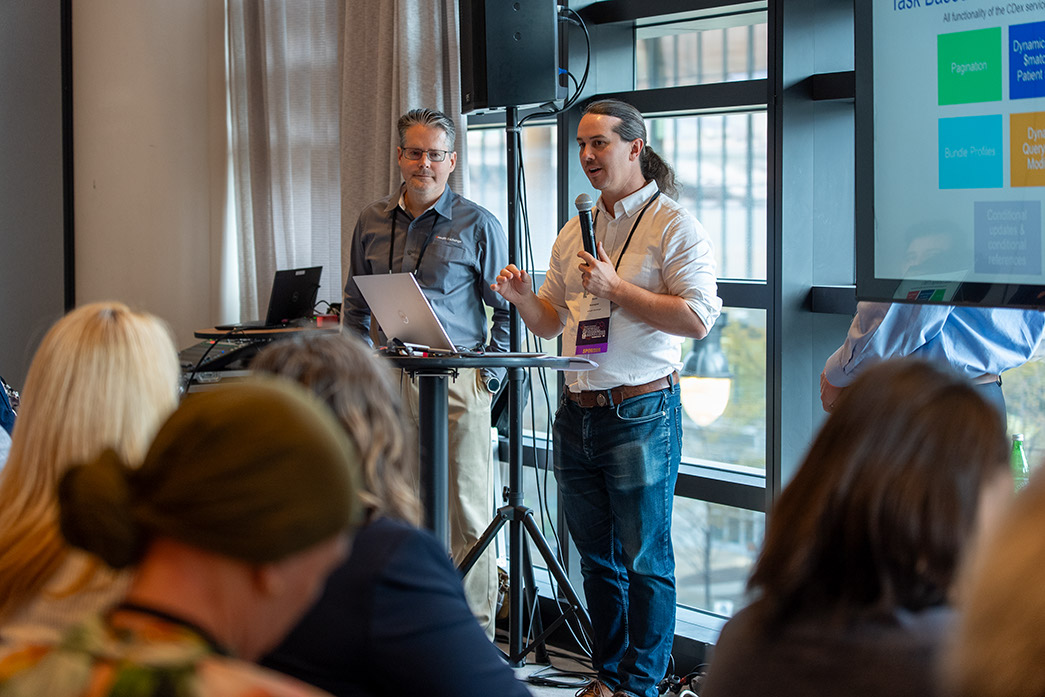
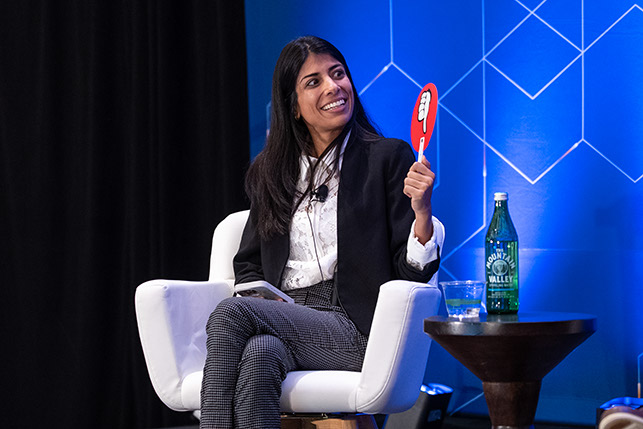
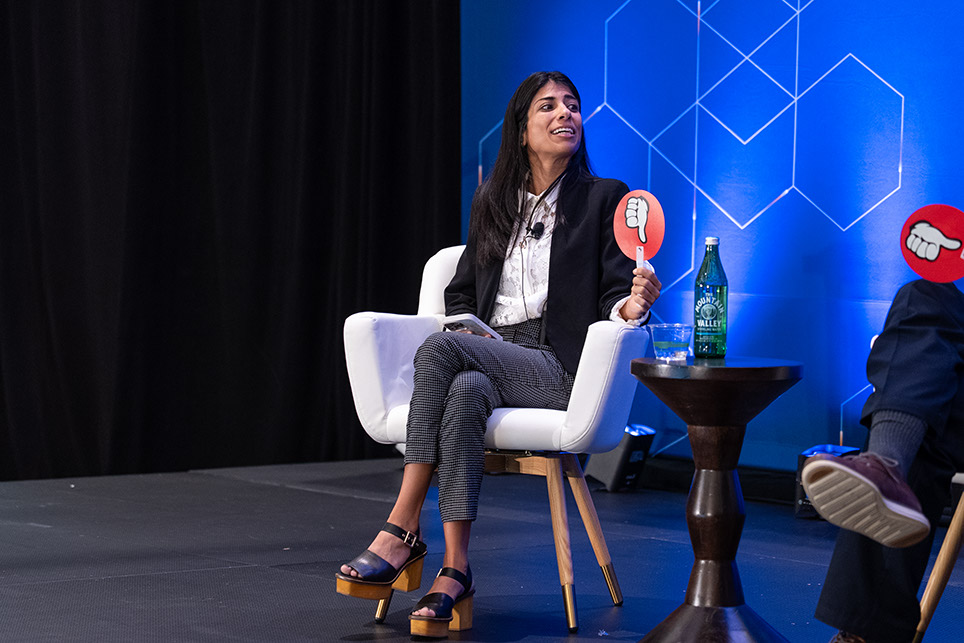
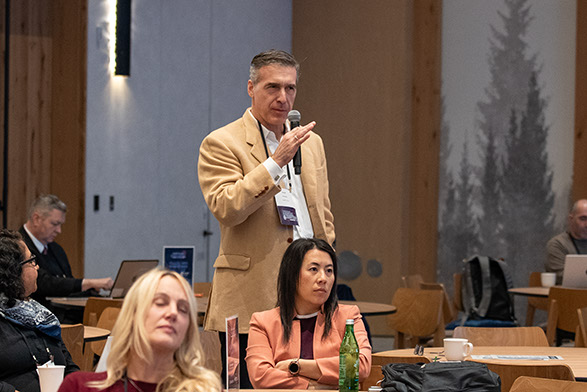
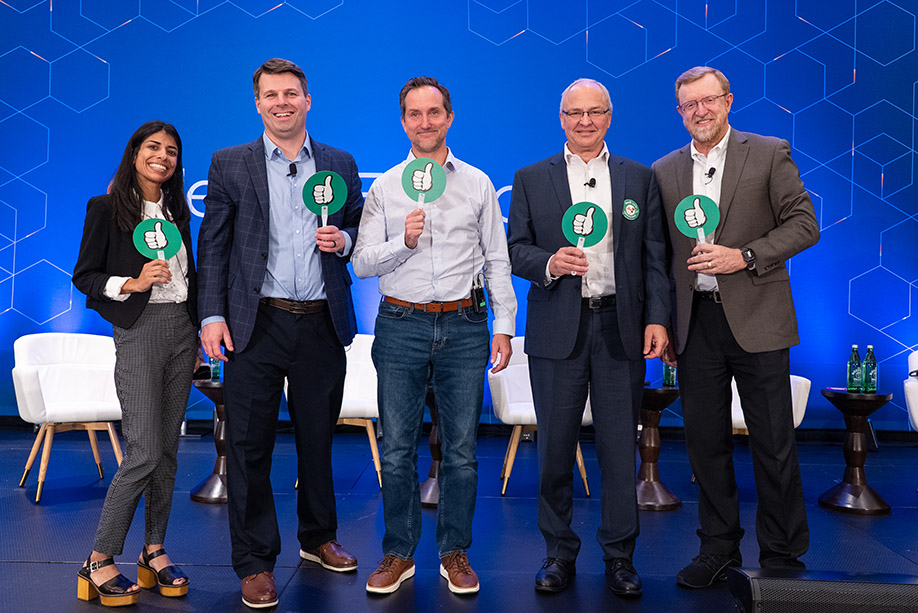
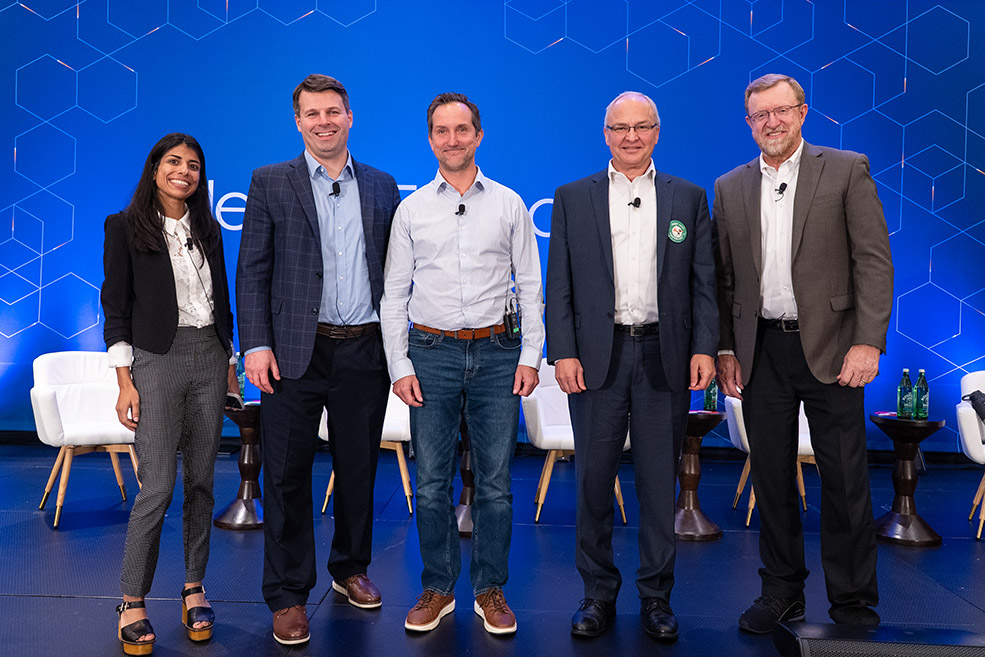
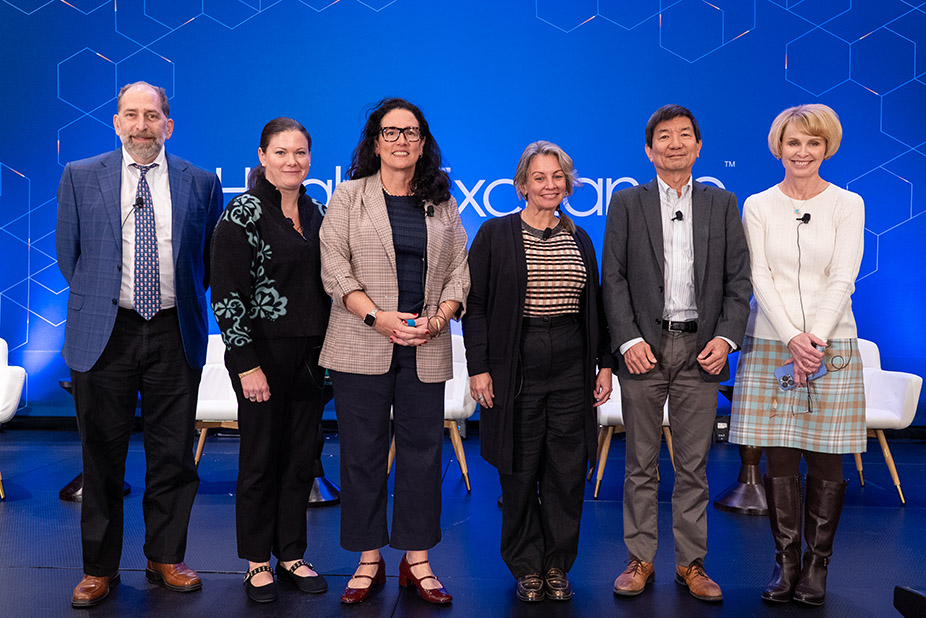
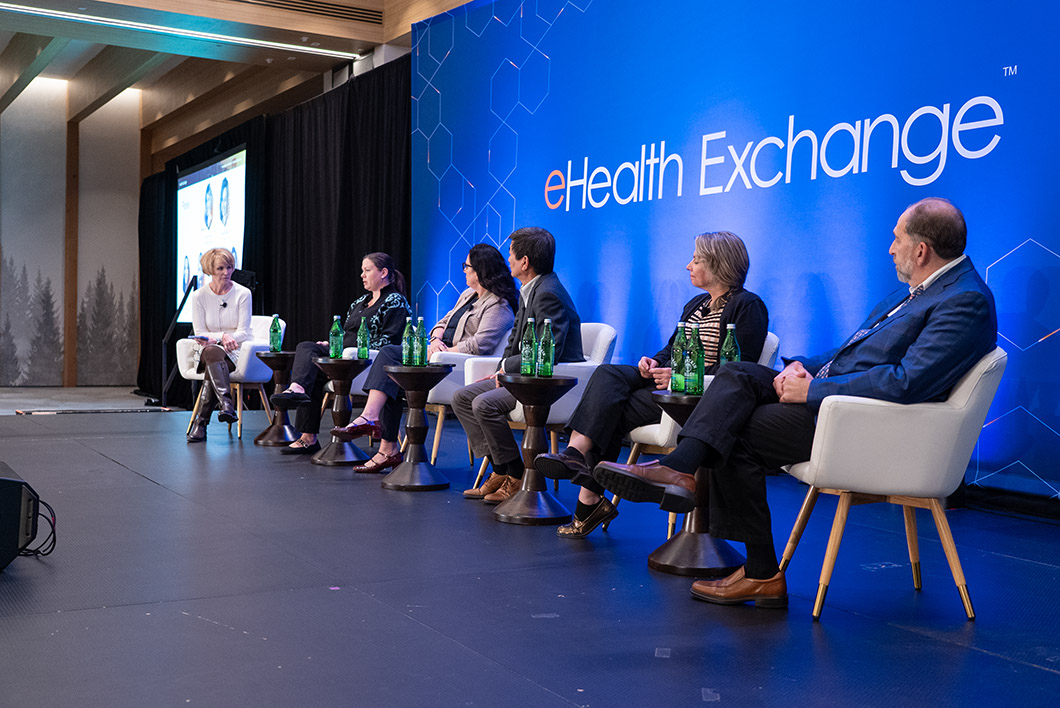
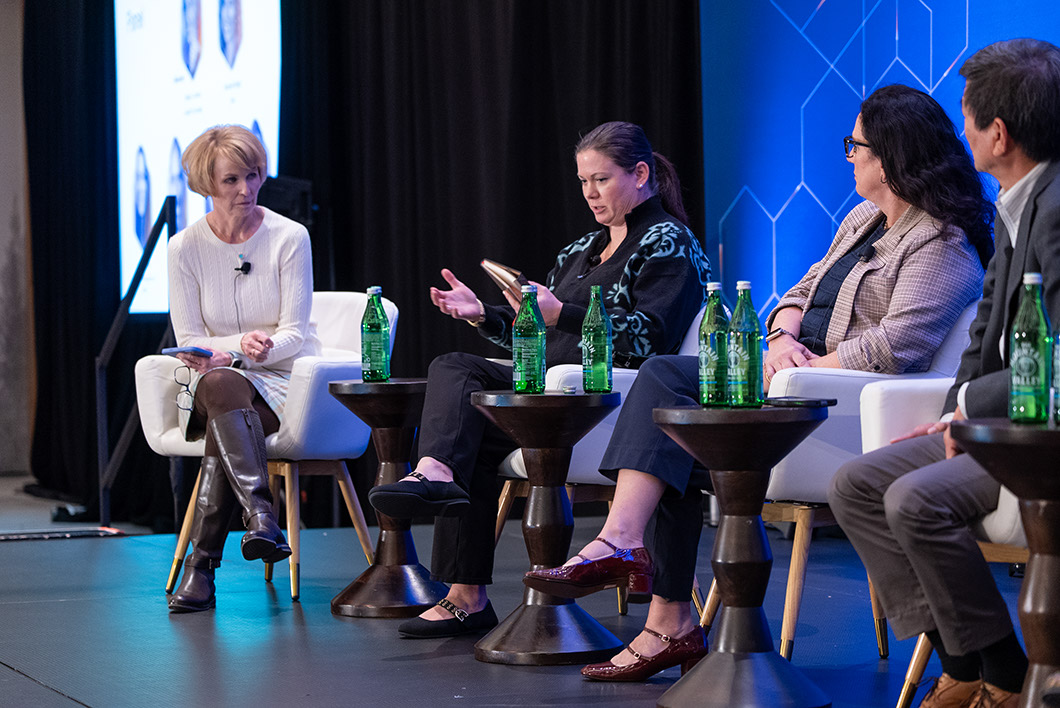
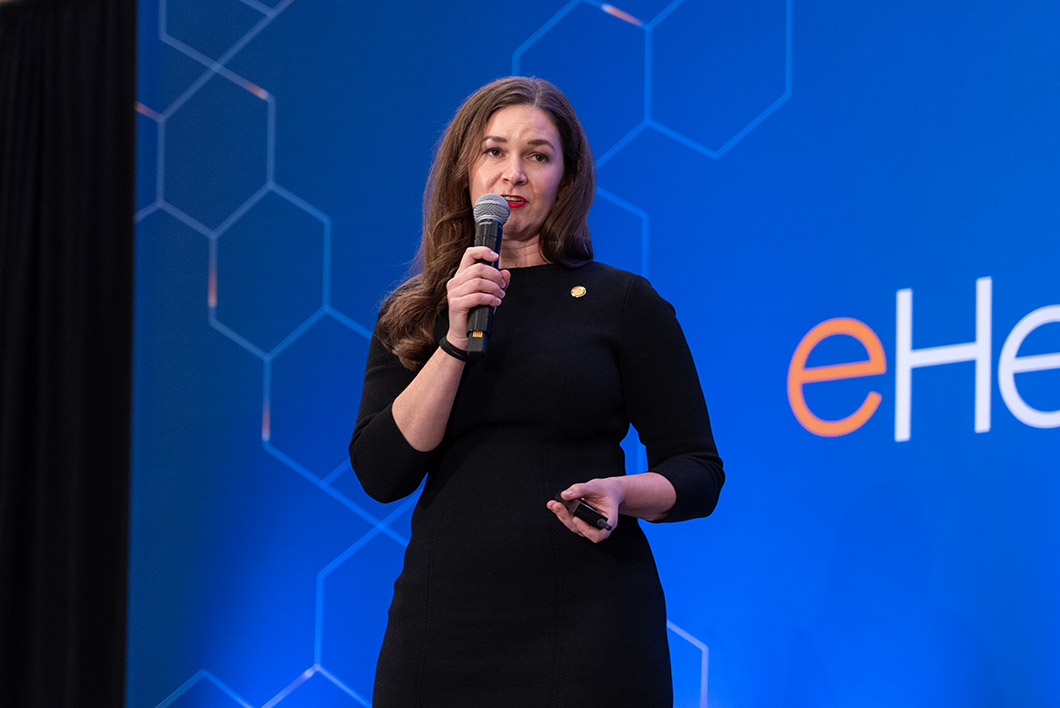
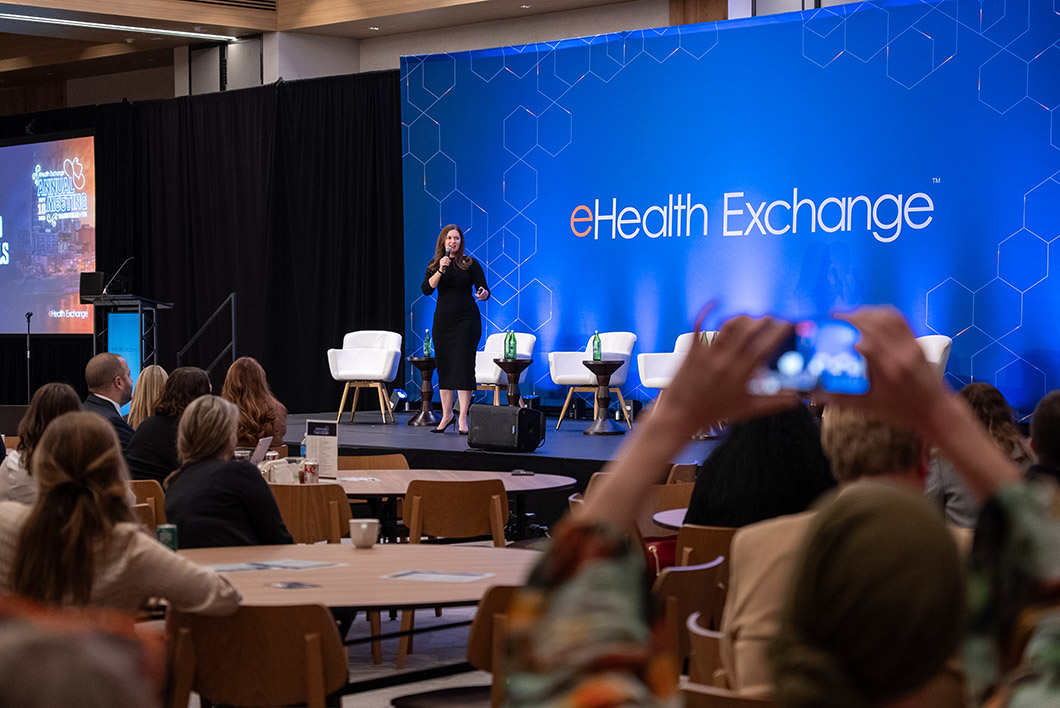
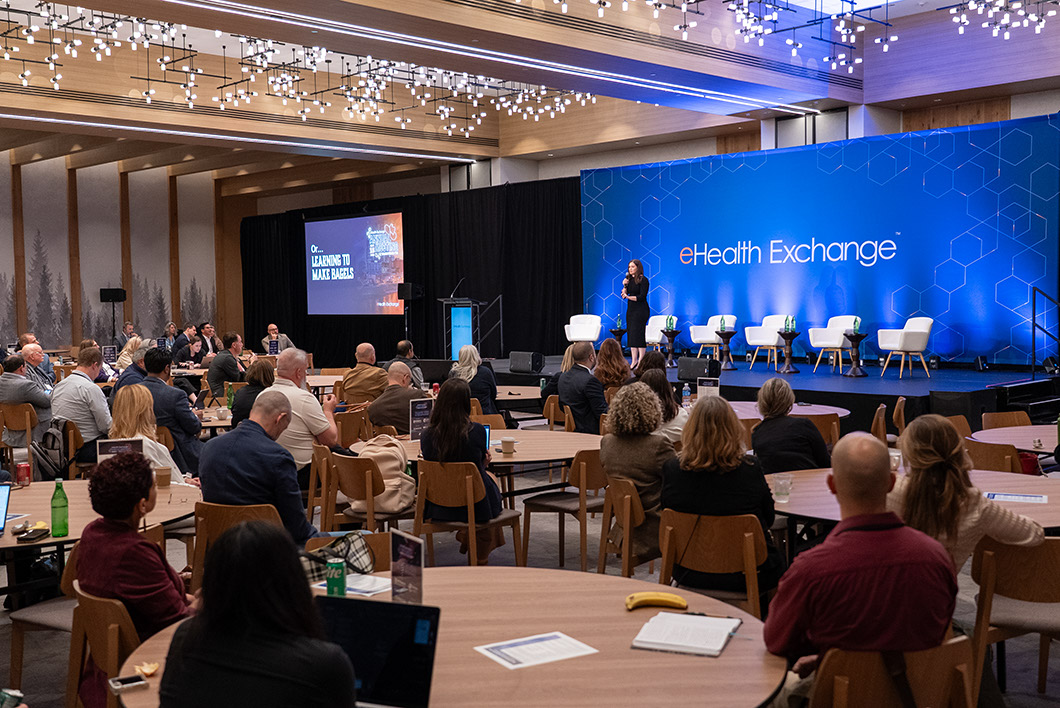
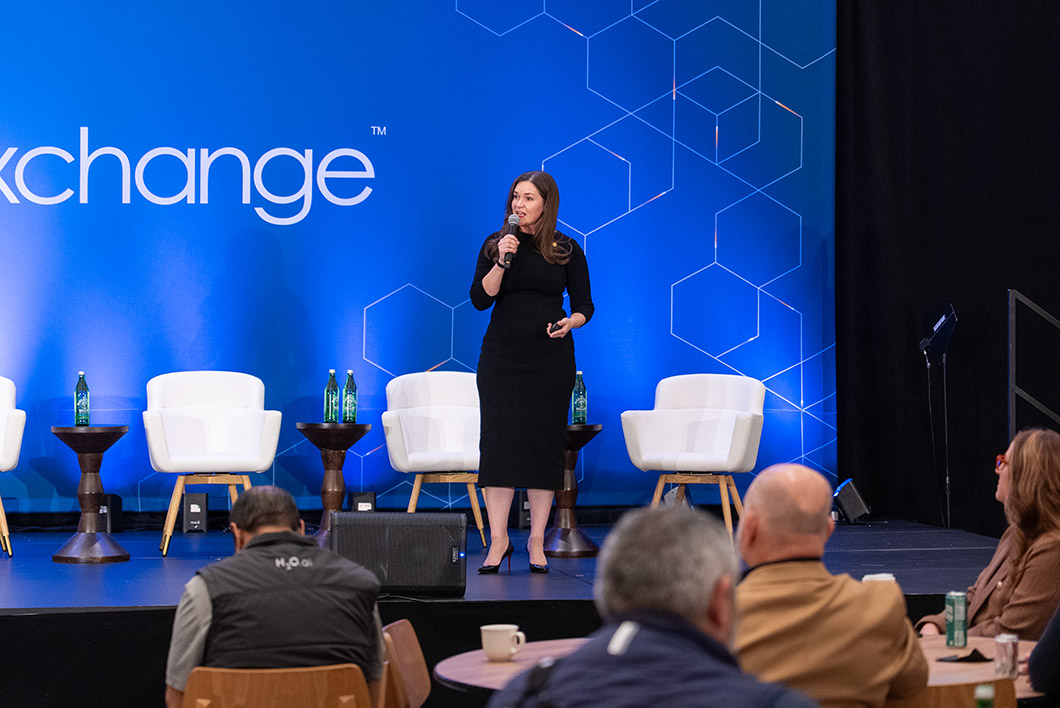
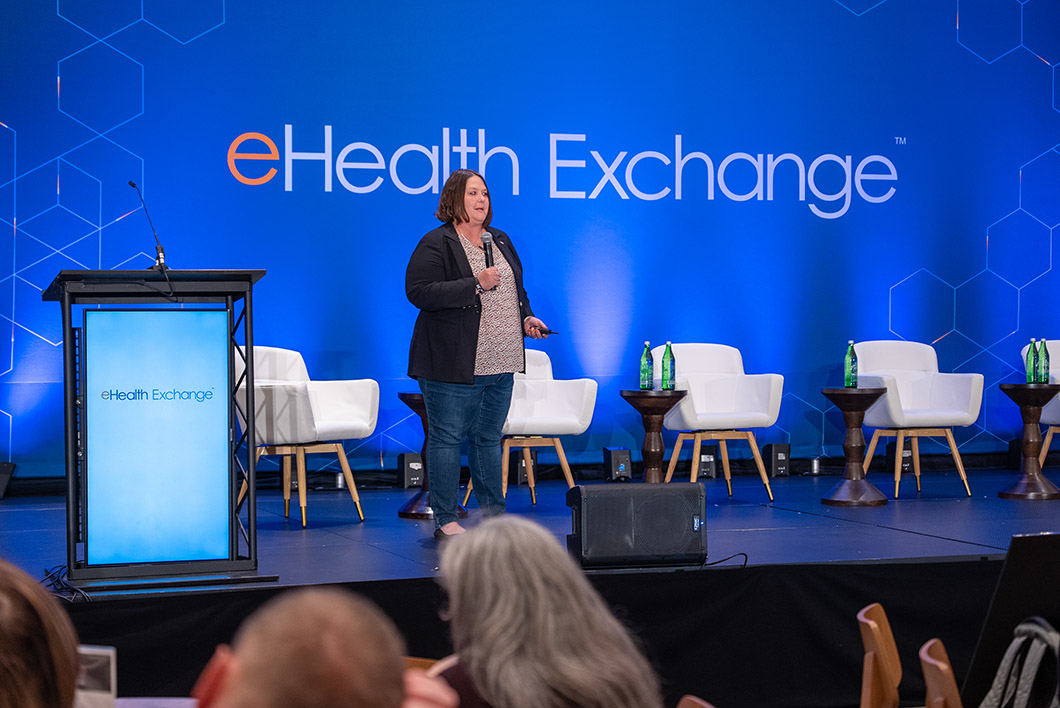
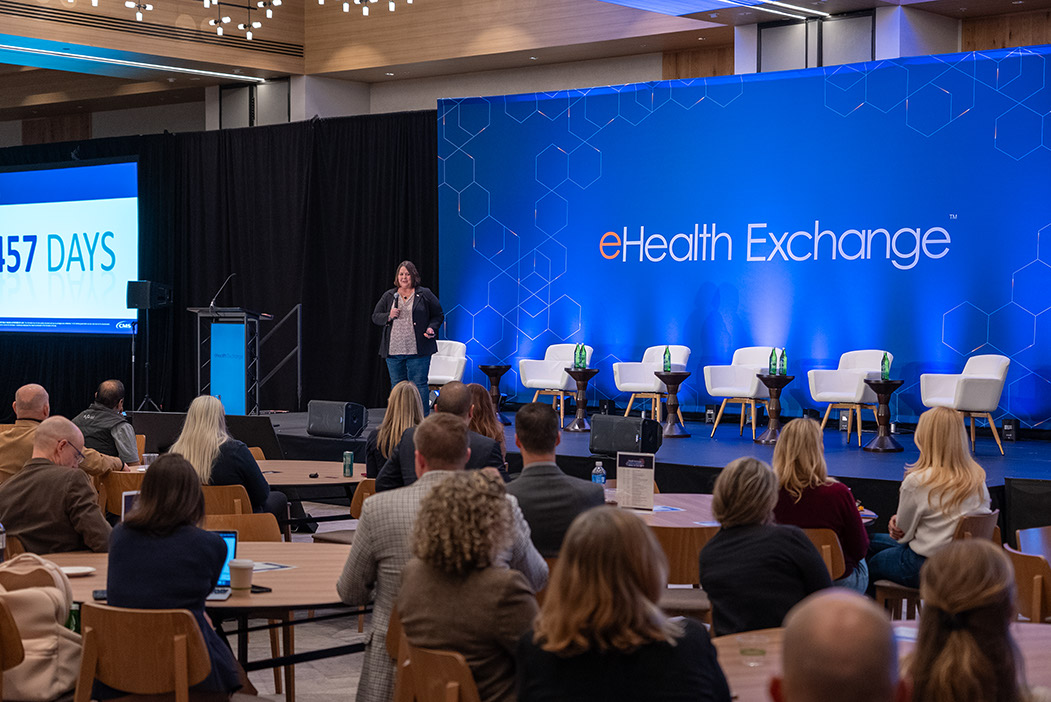
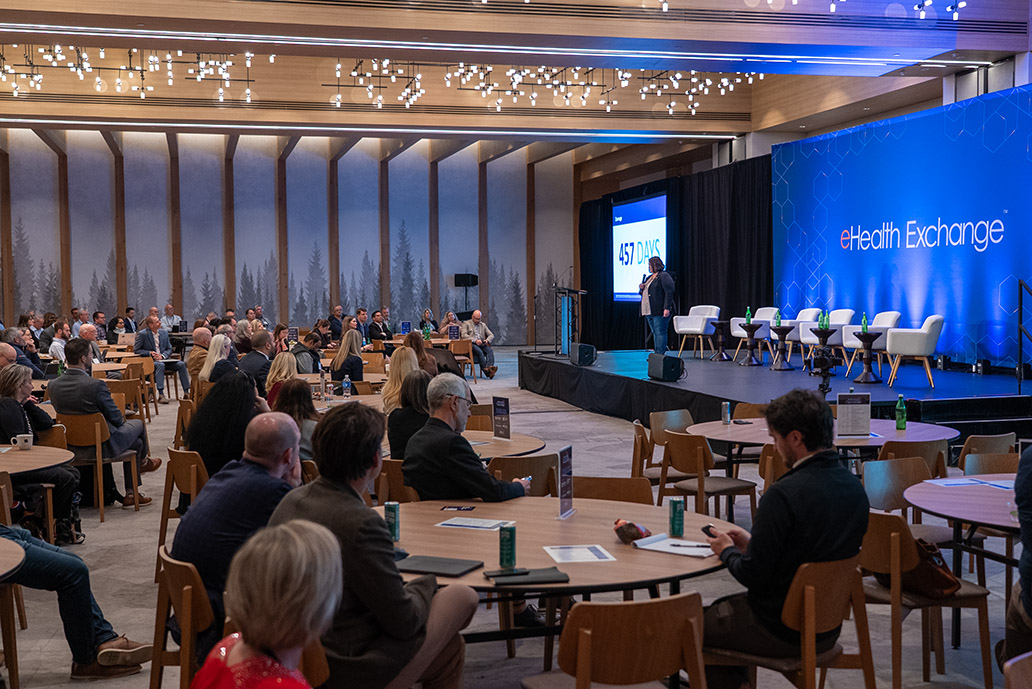
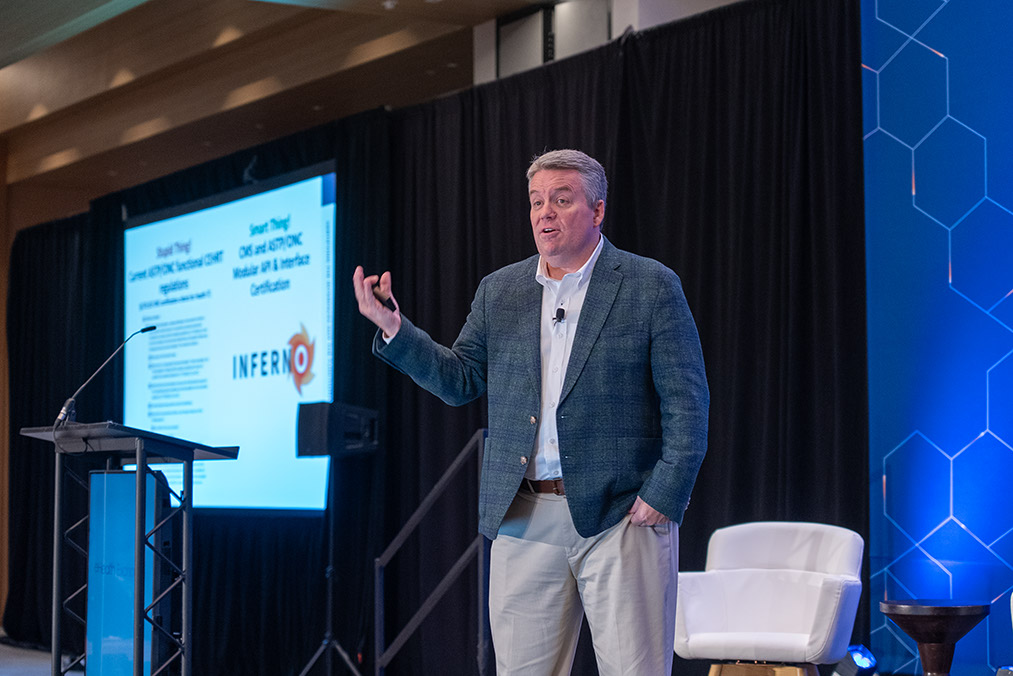
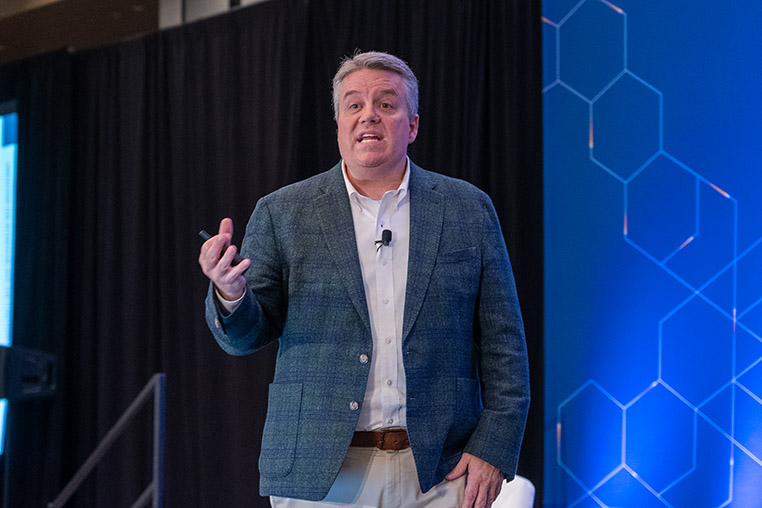
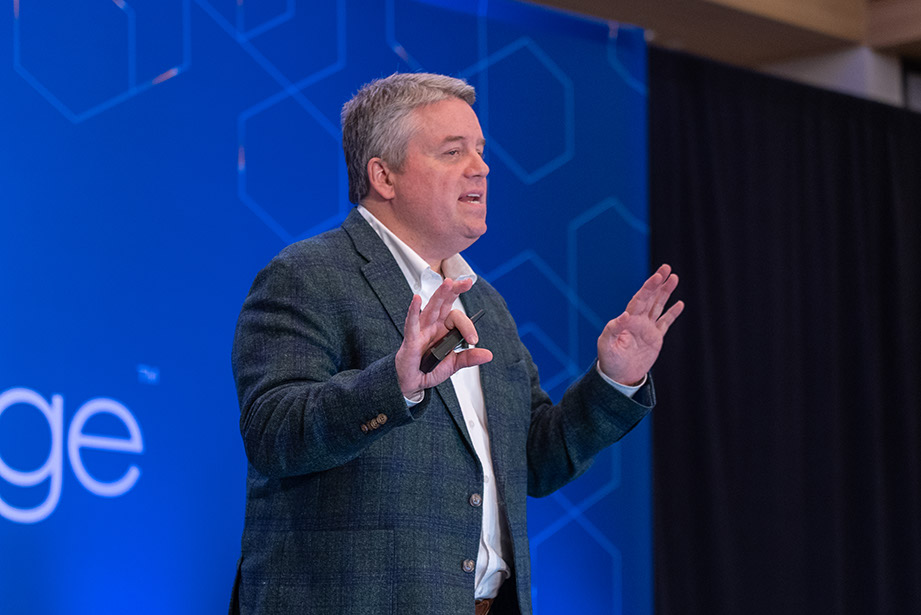
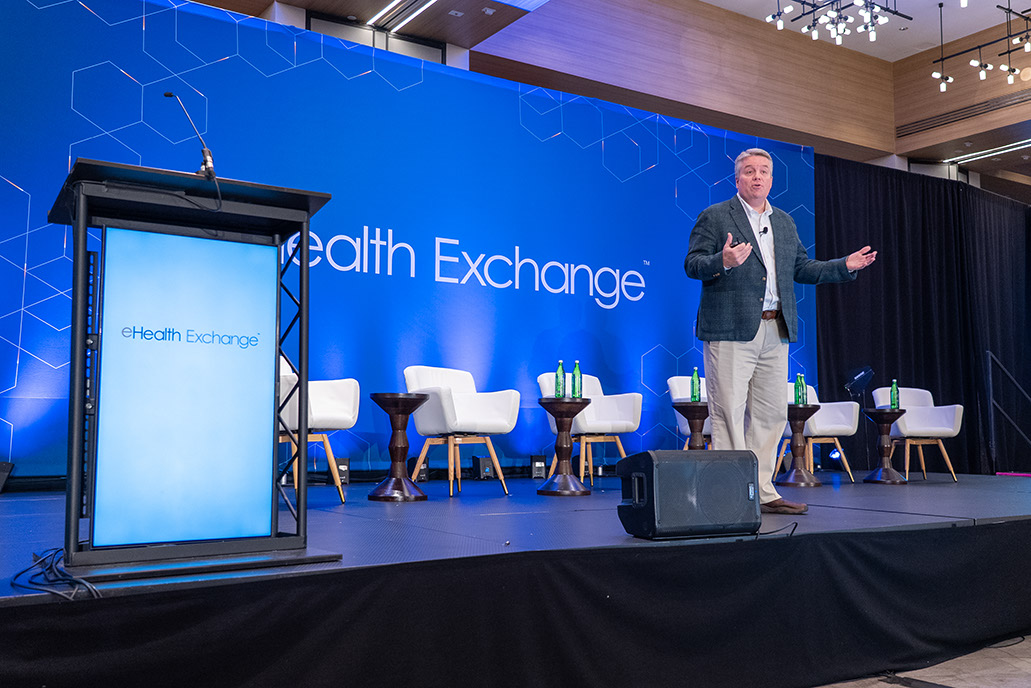
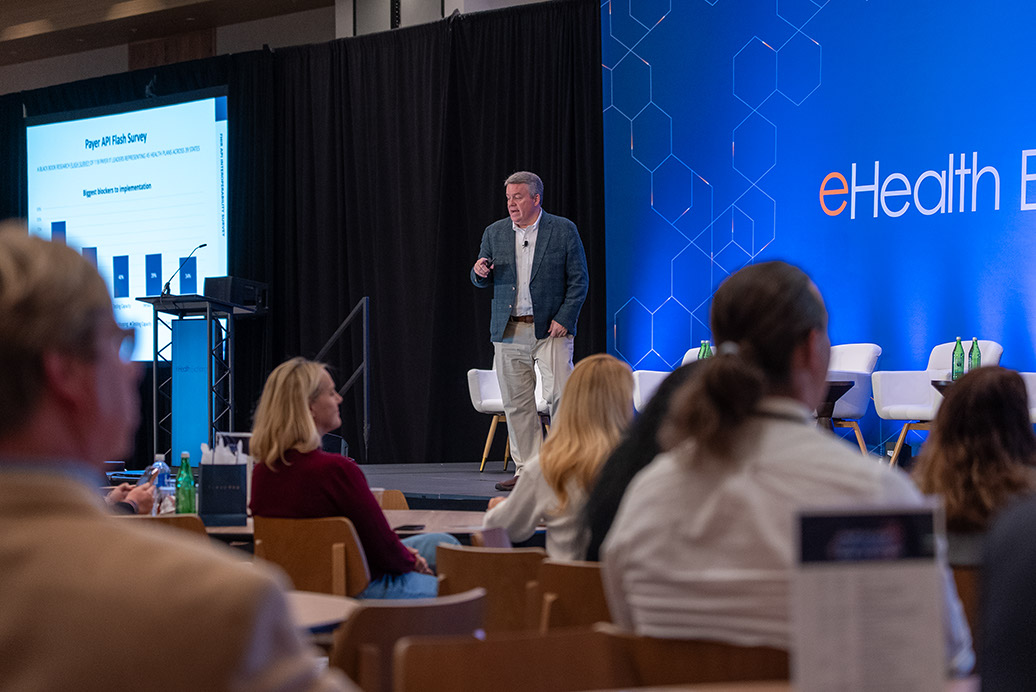
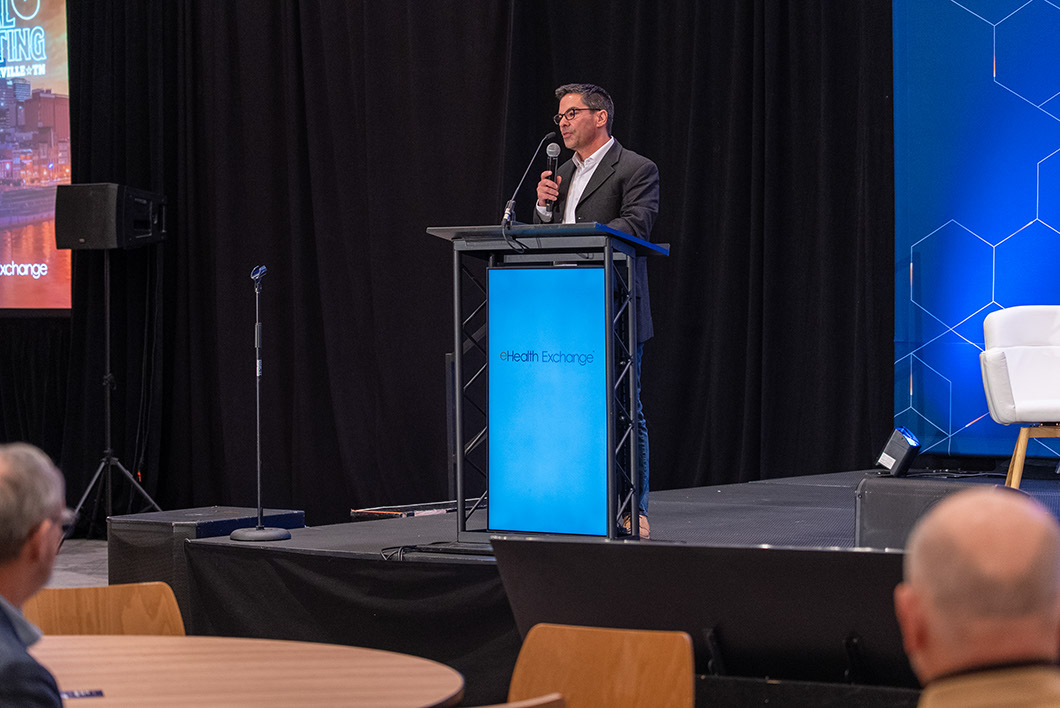
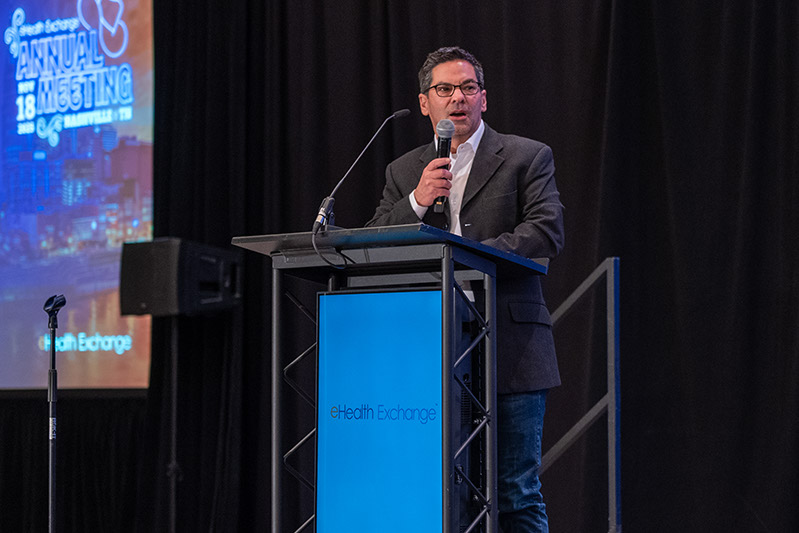
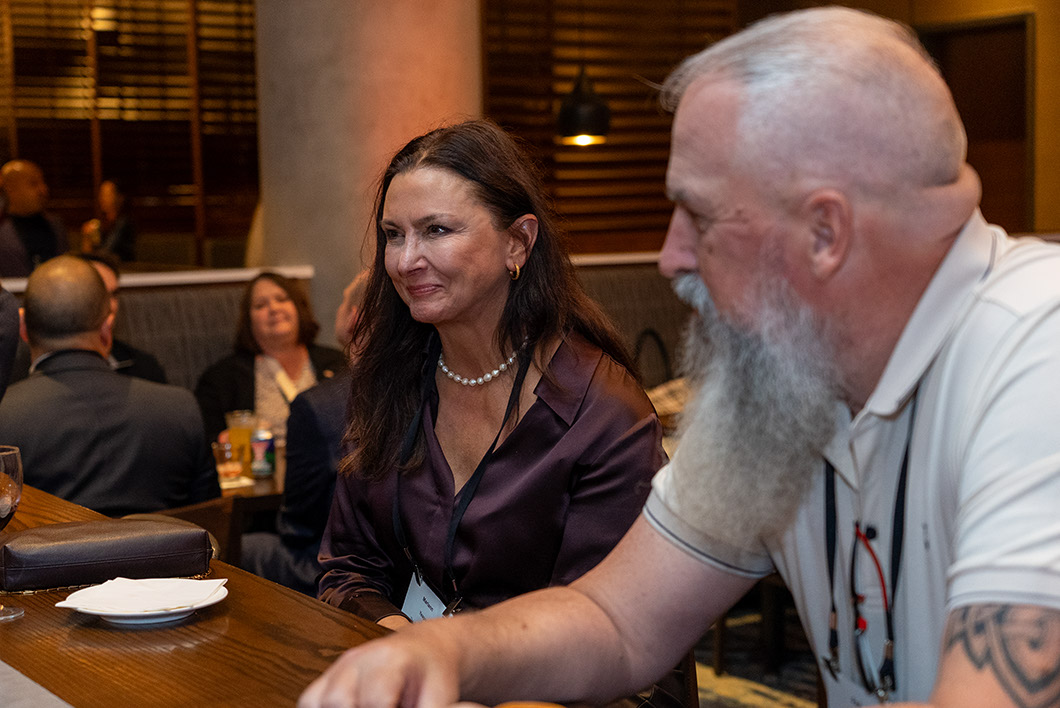
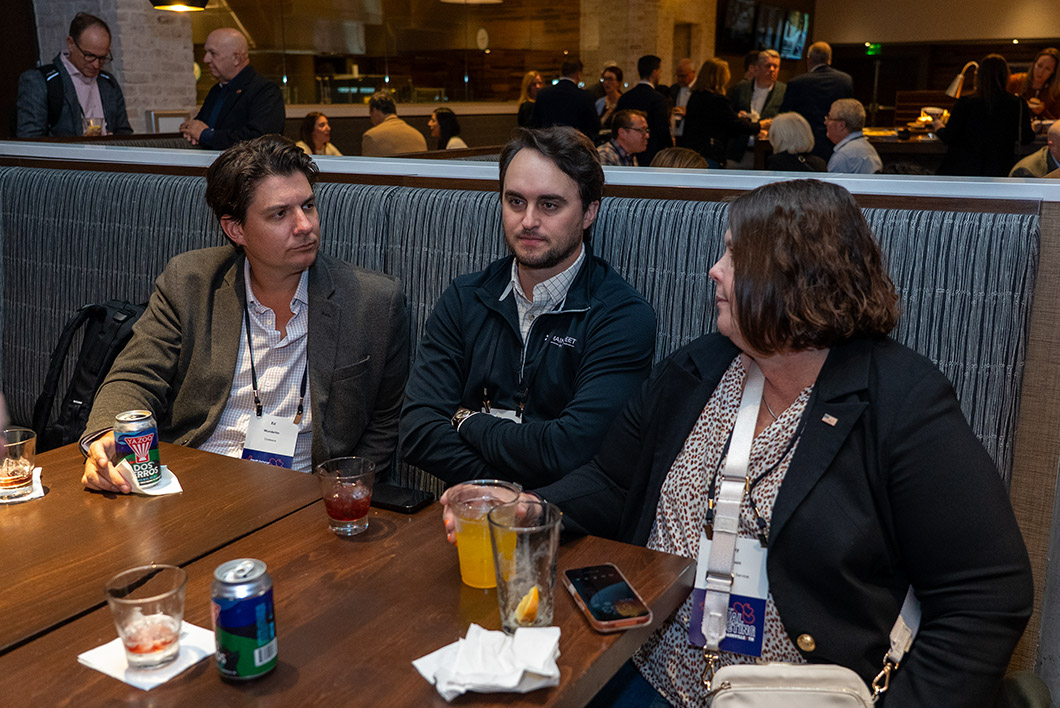
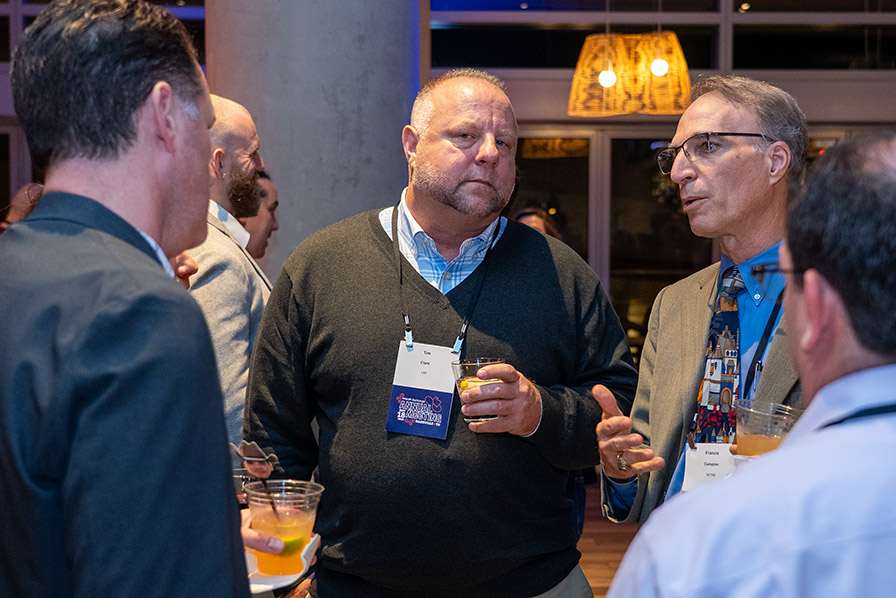
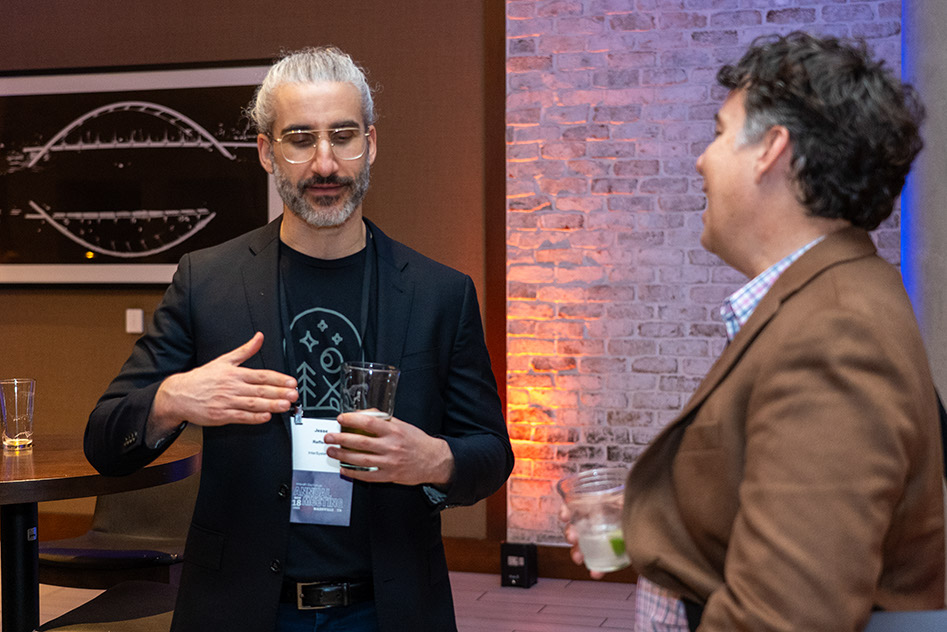
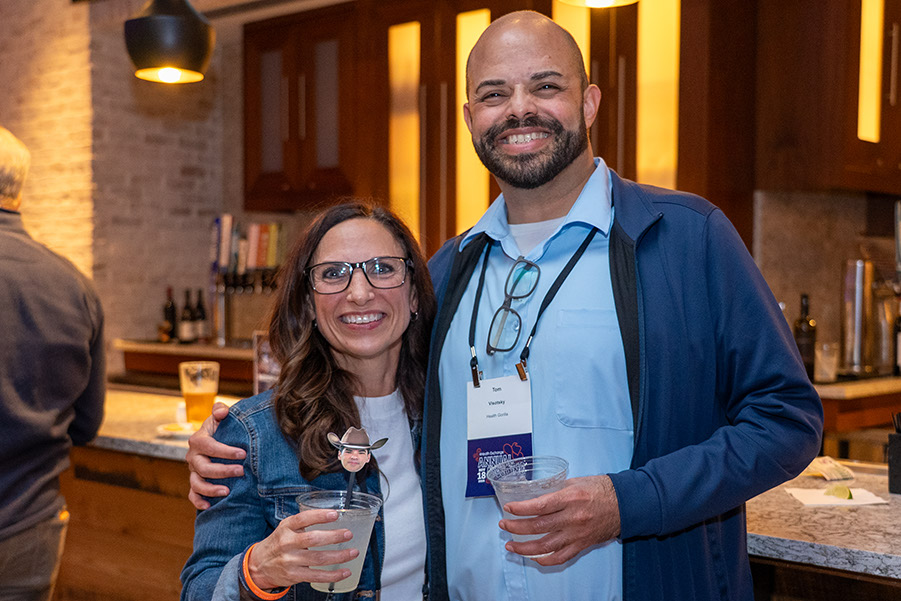
This year’s annual meeting in Nashville, TN was a huge success. We want to thank all attendees, speakers and sponsors for making this year’s meeting so memorable. Below you’ll find access to the session recordings and presentation slides.
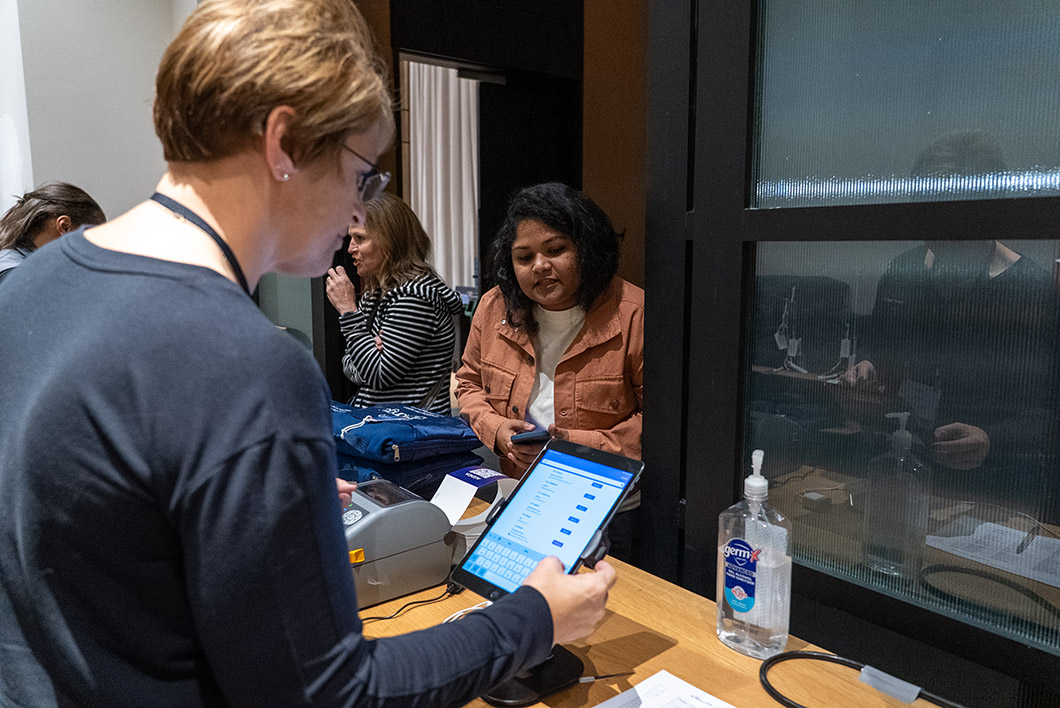
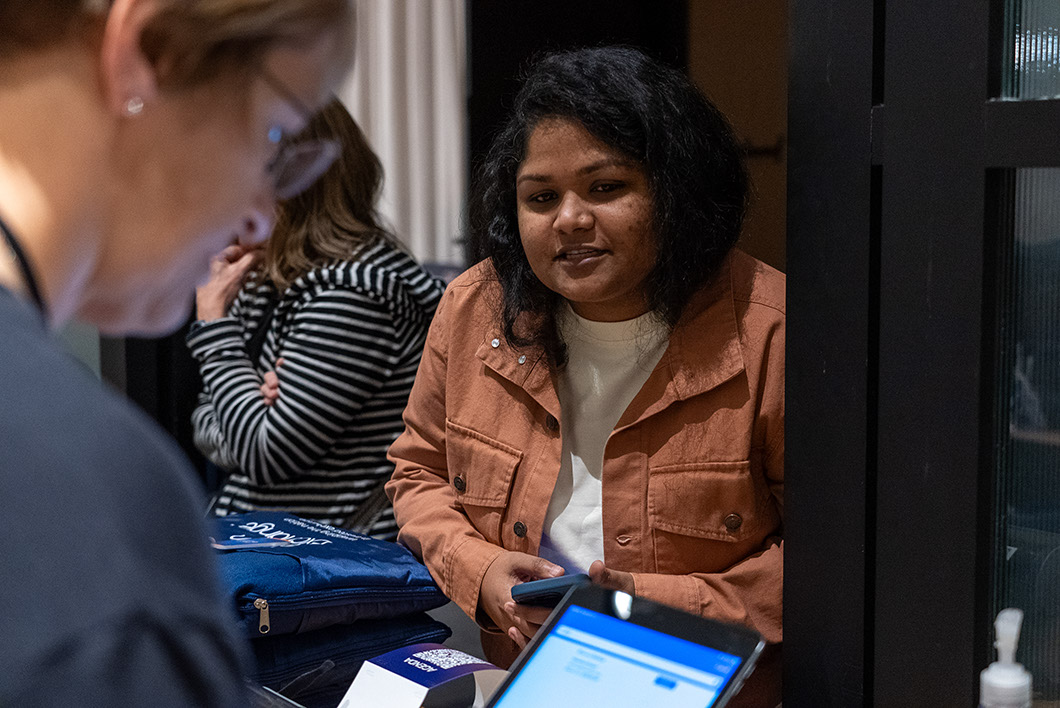
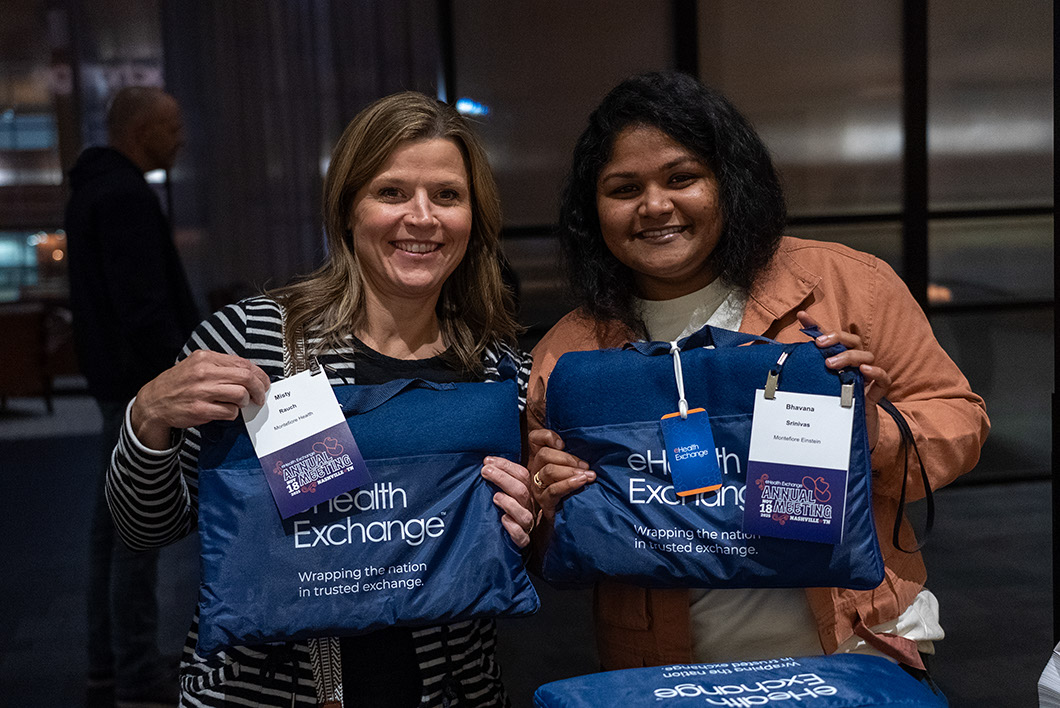
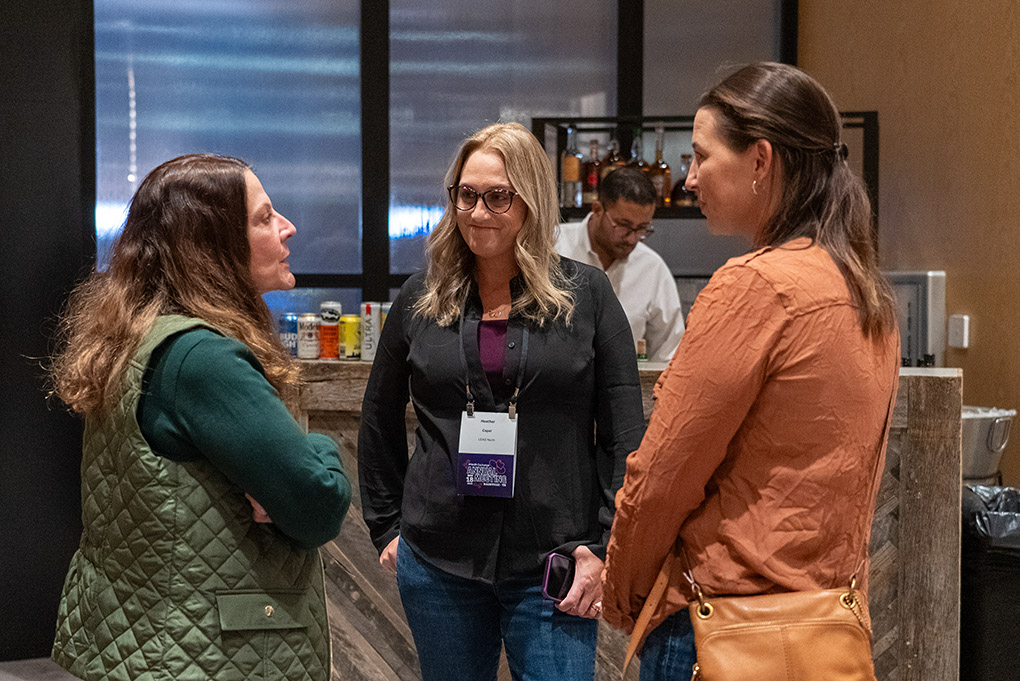
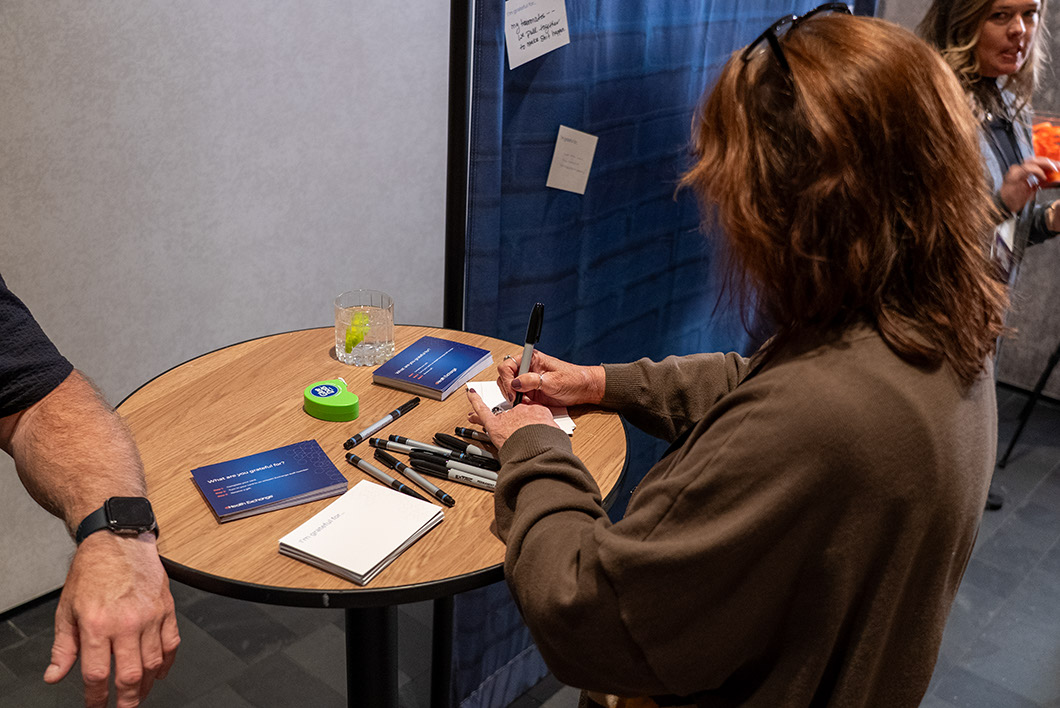
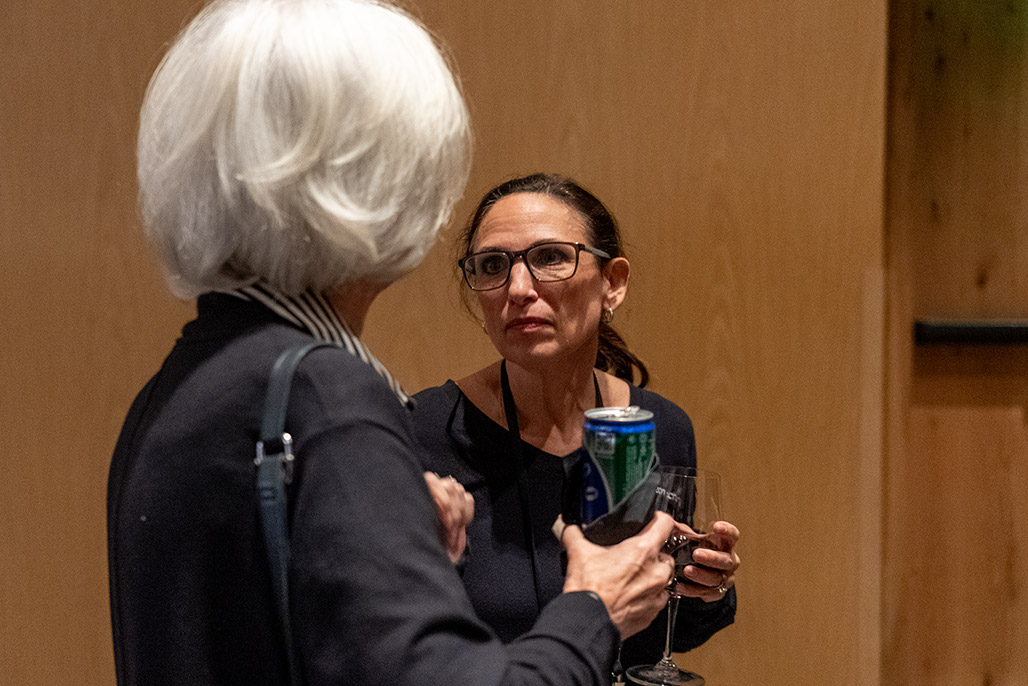
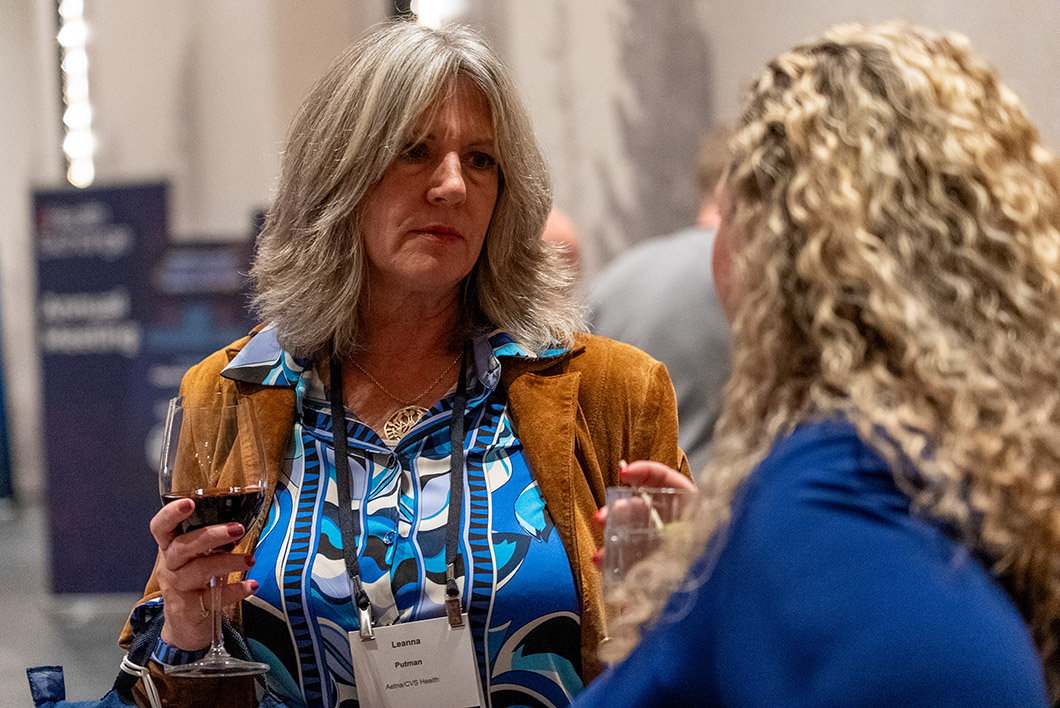
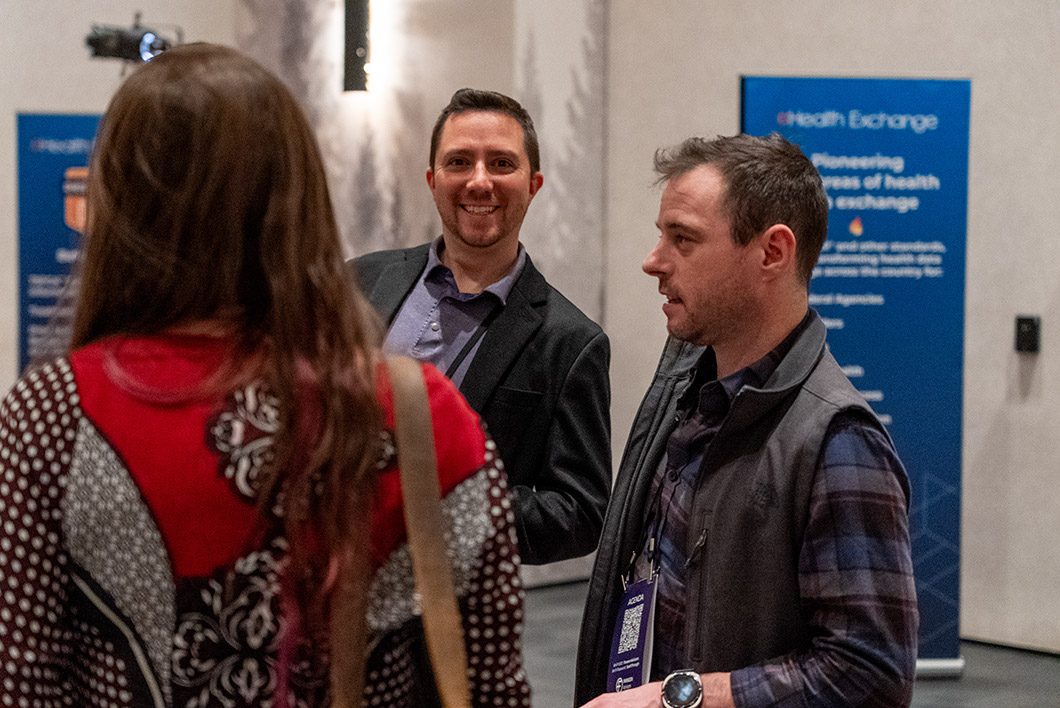
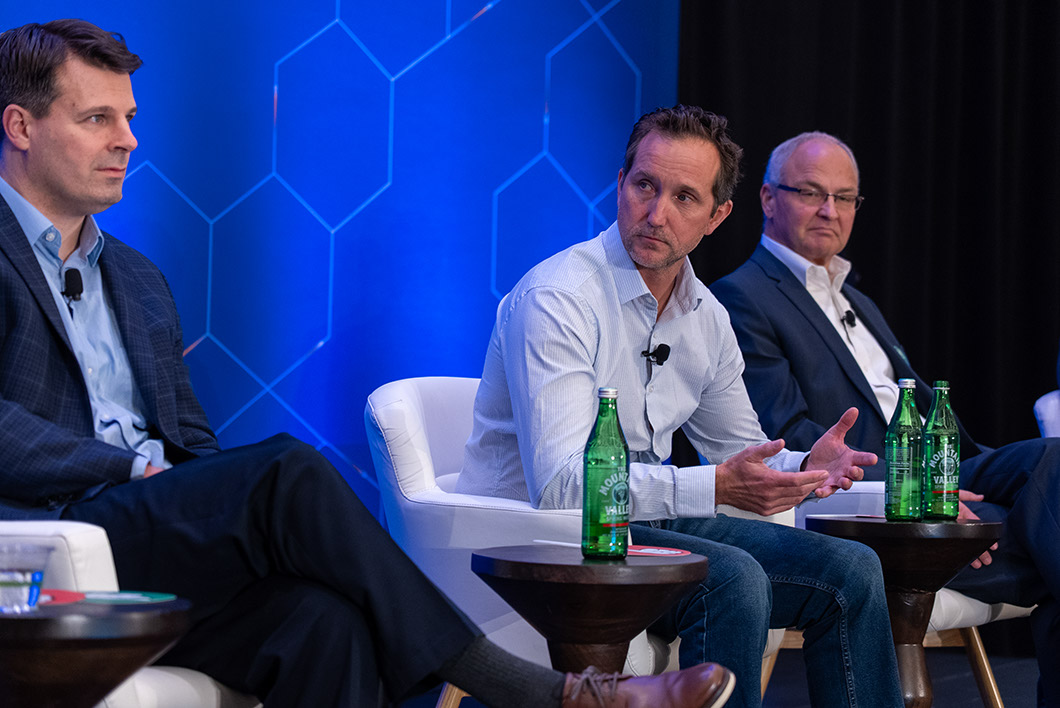
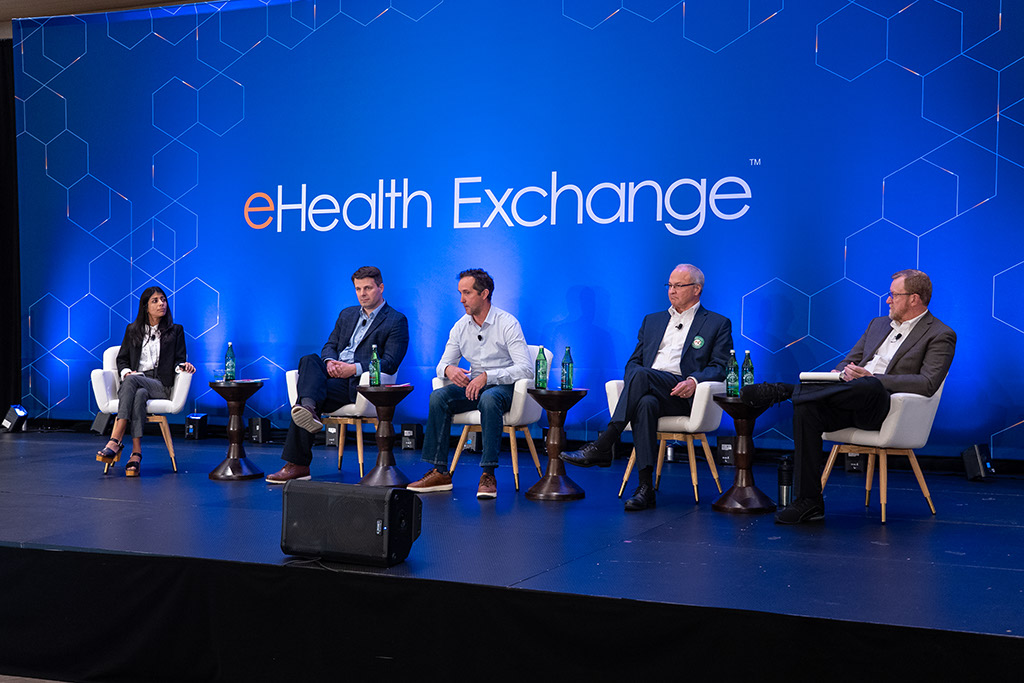
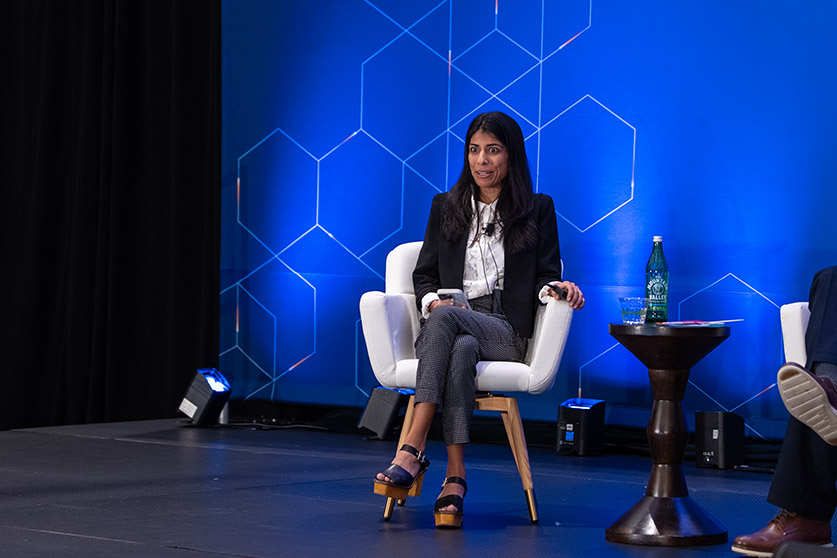
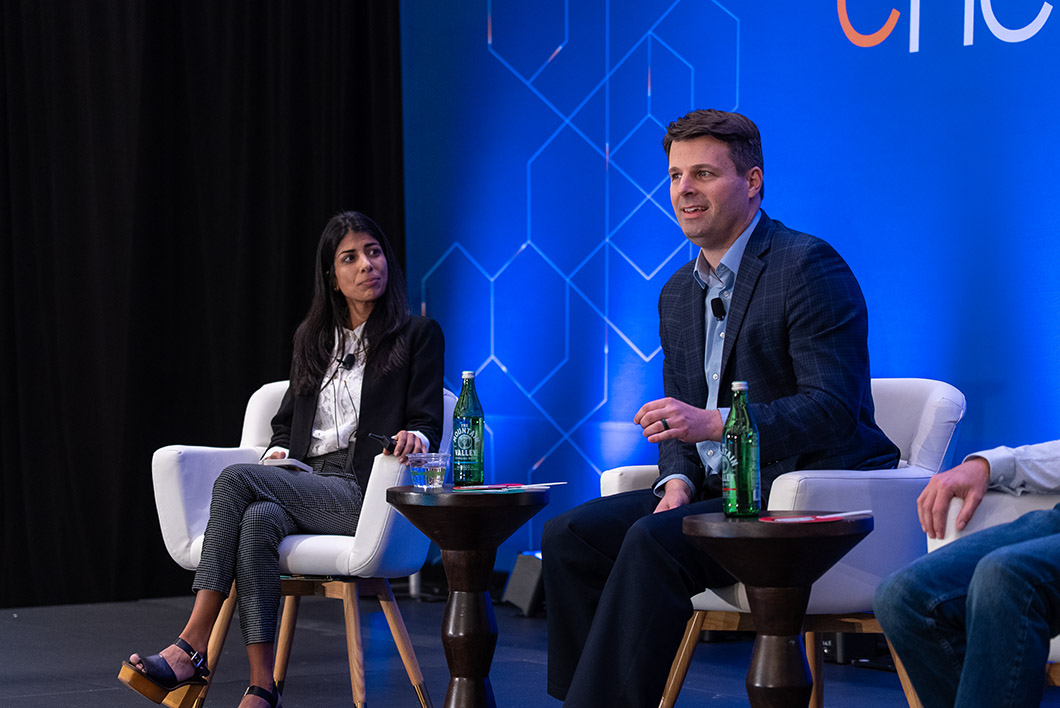
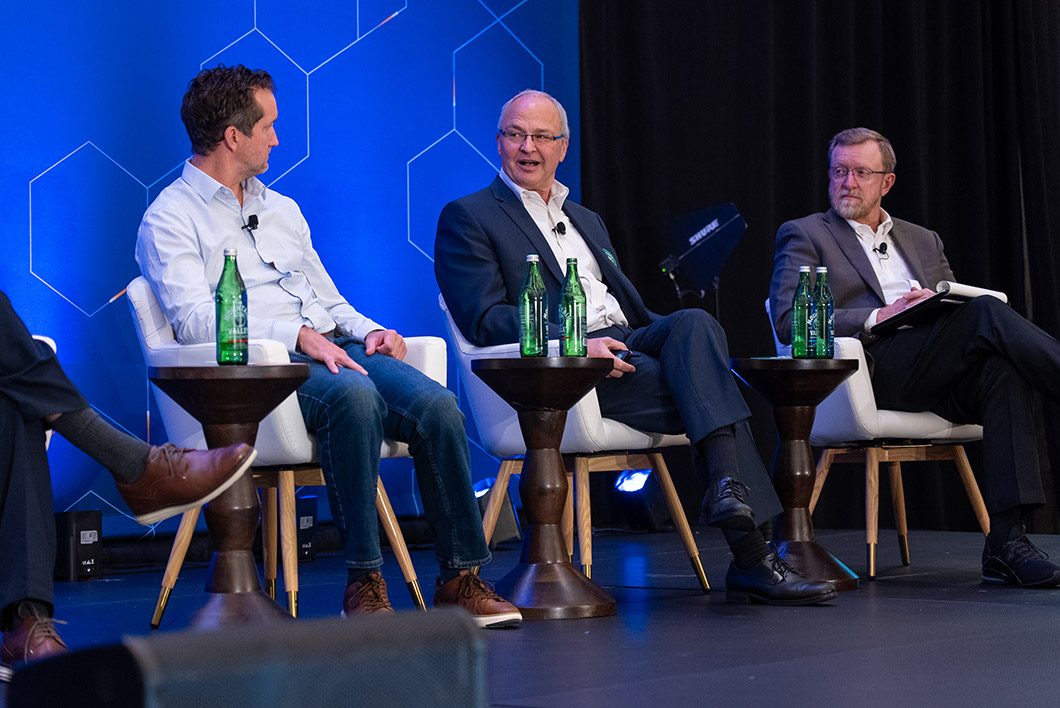
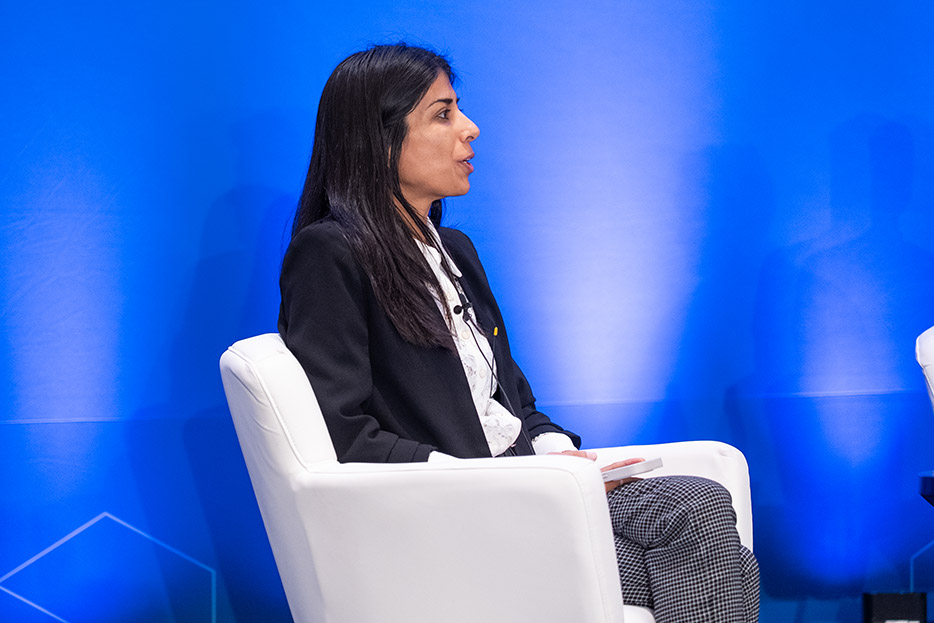
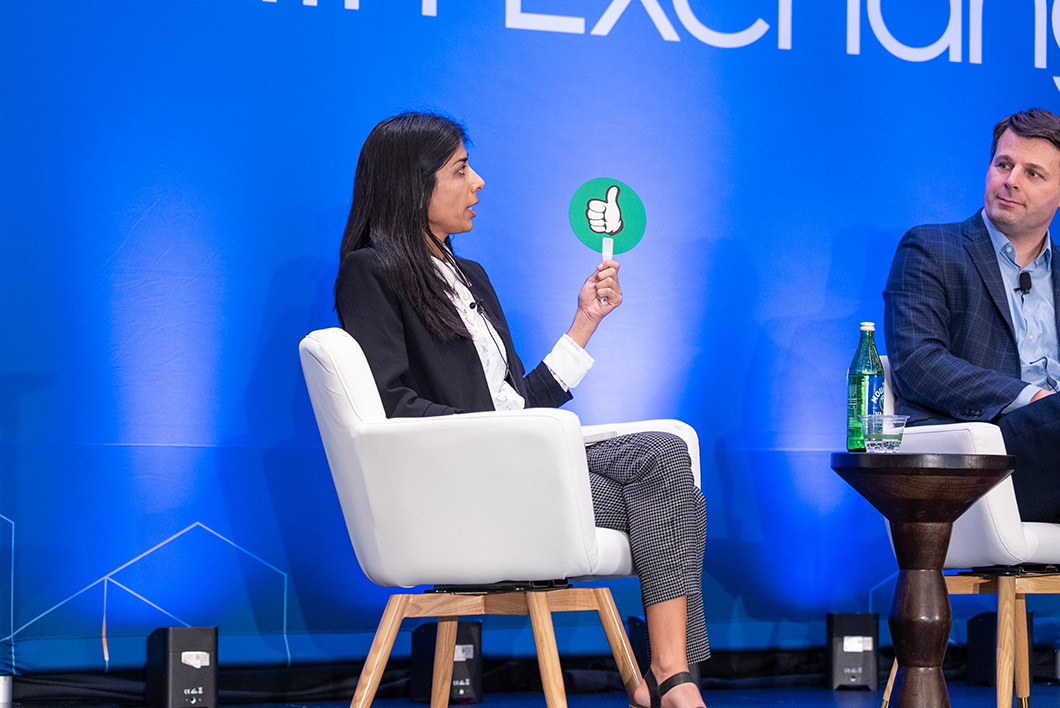
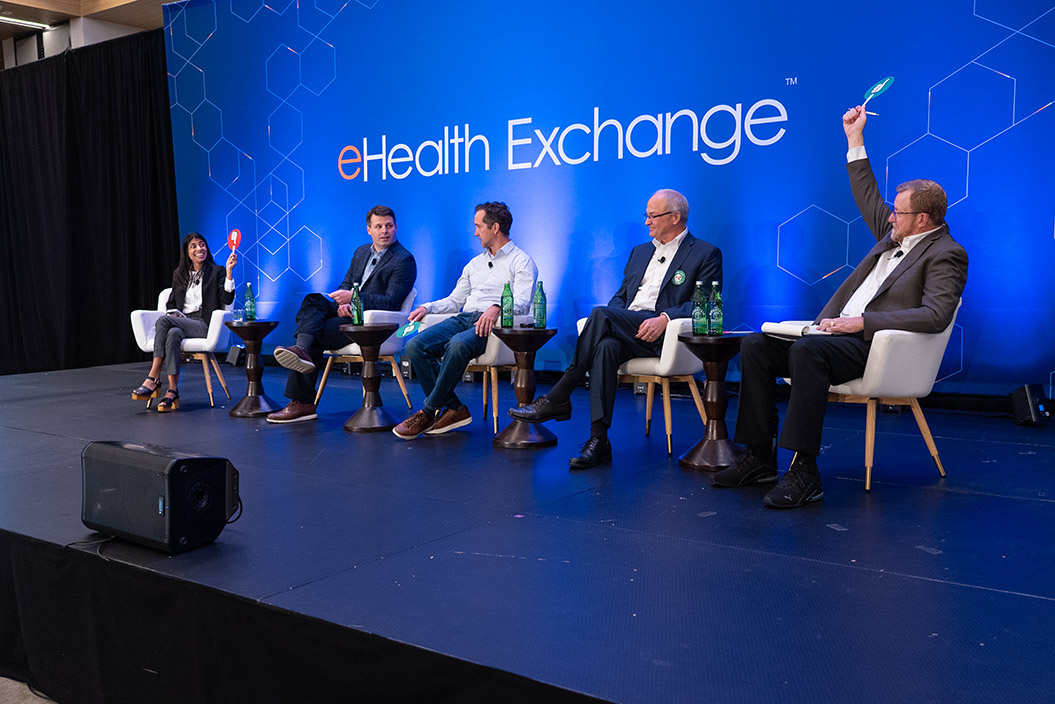
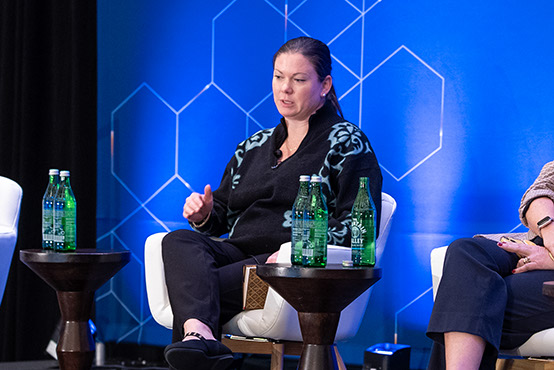
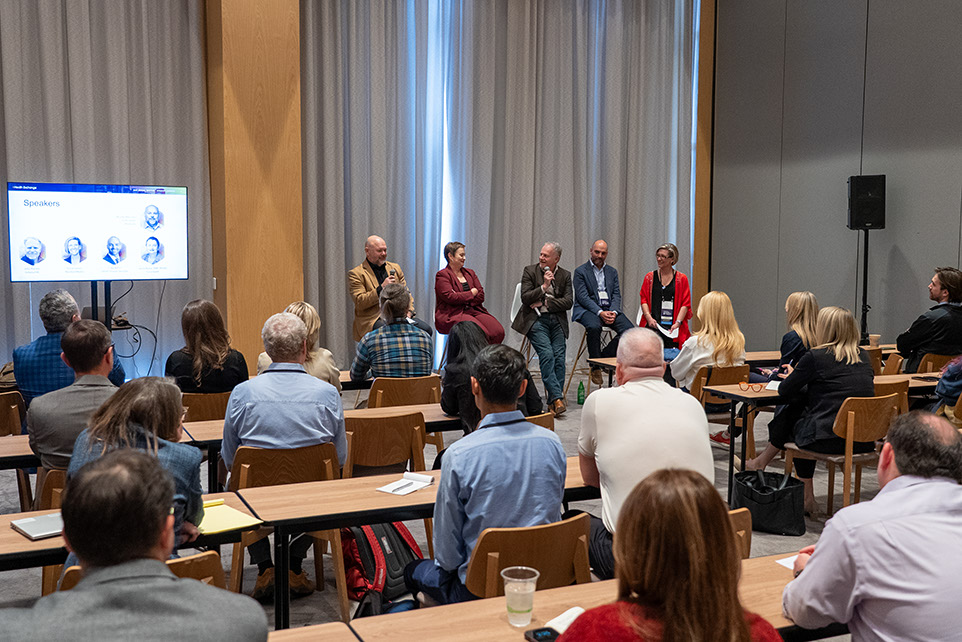
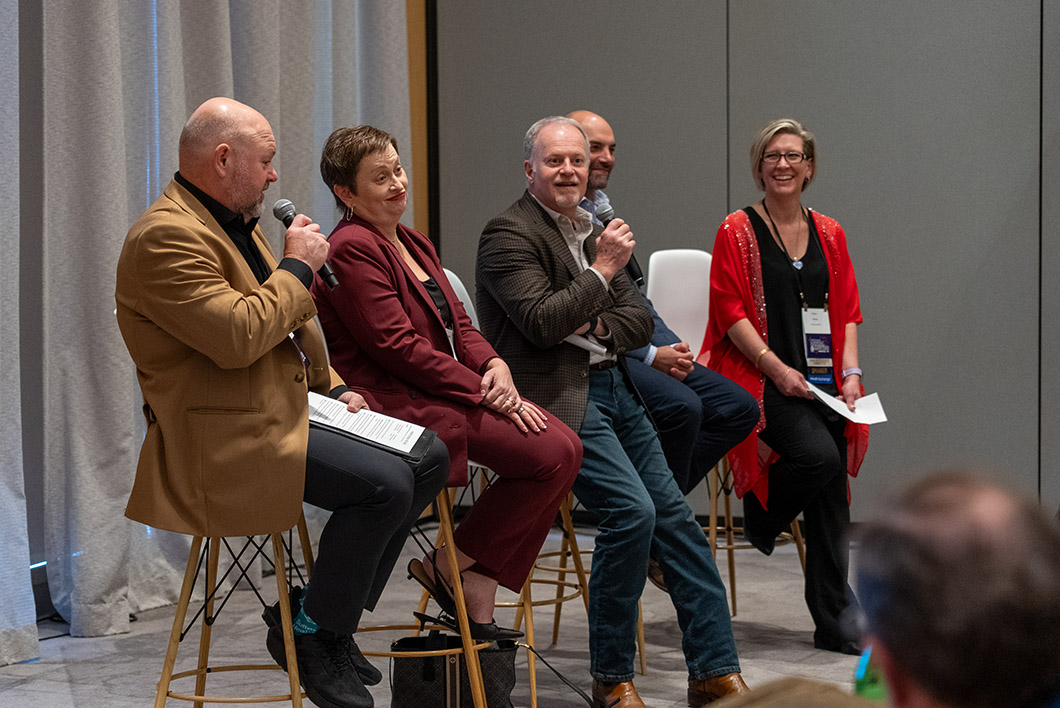
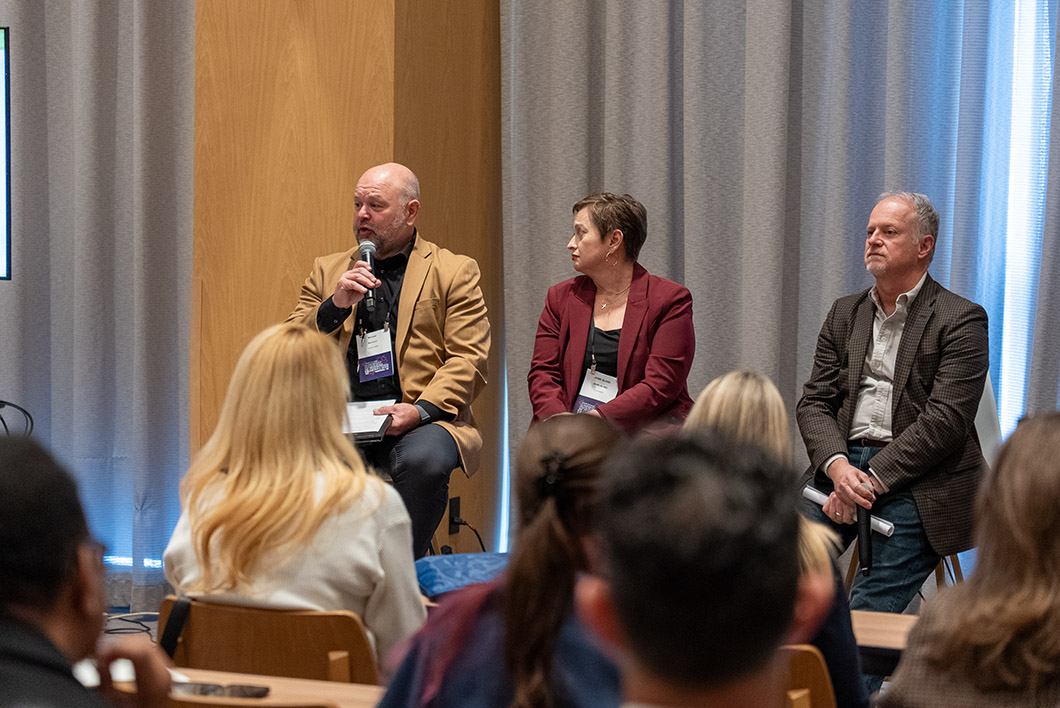
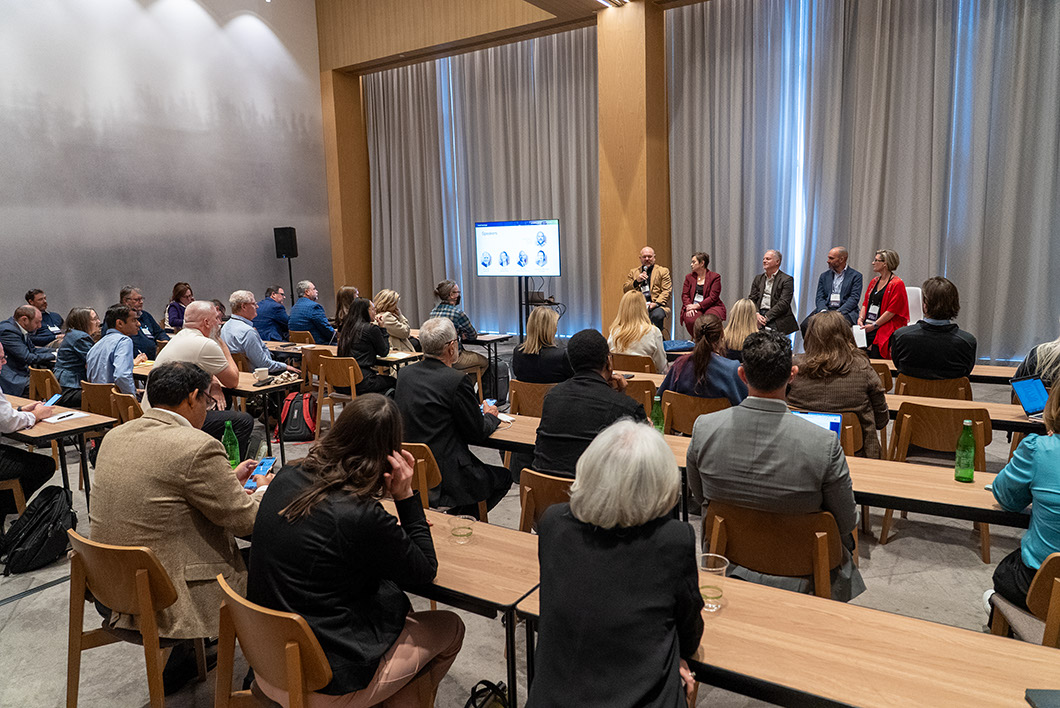
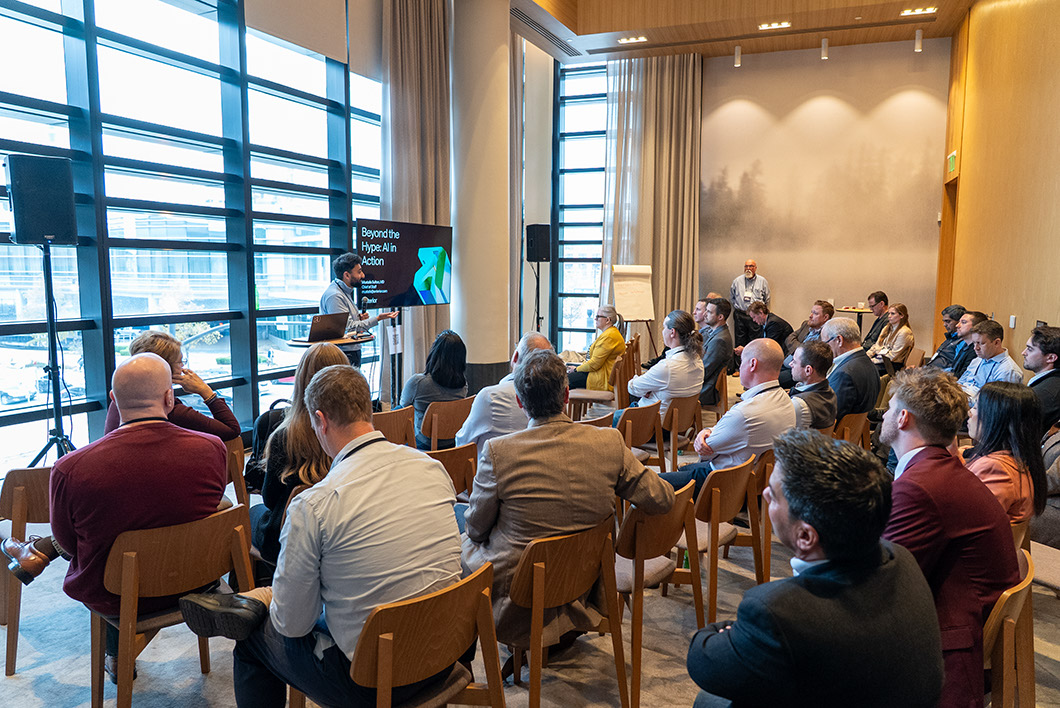
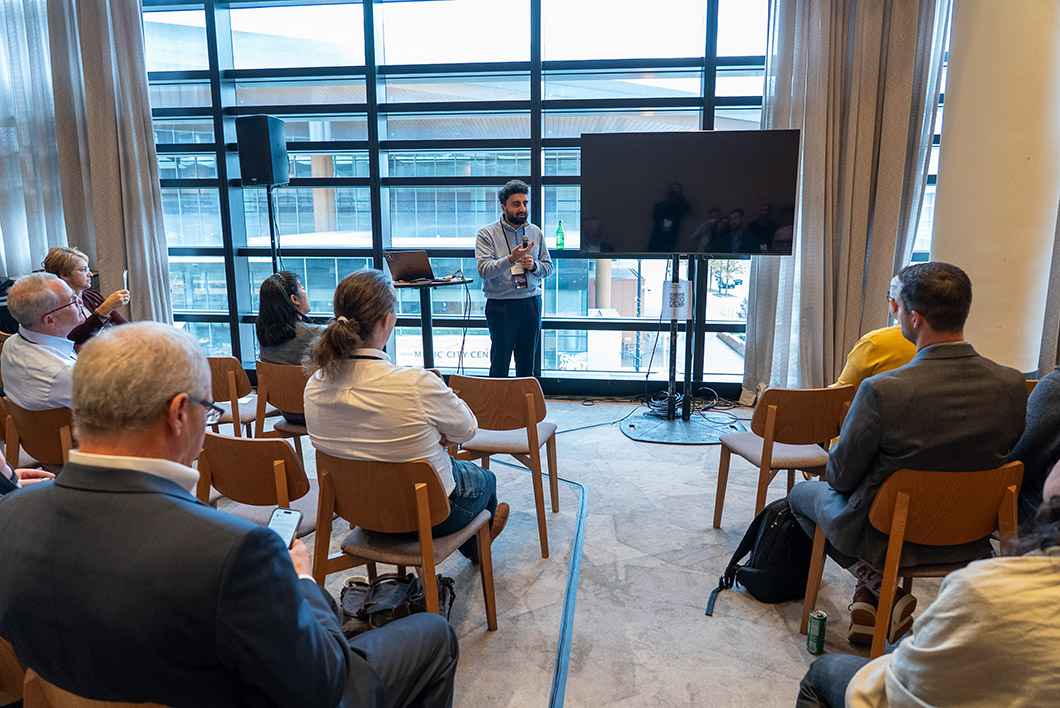
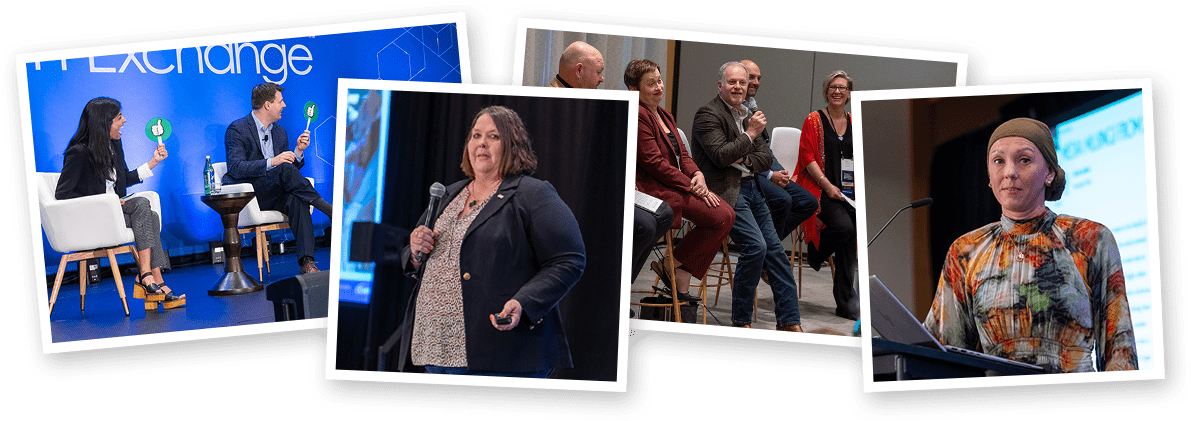
Event Photo Gallery
Meeting Sessions
1
Opening Remarks & State of the Network
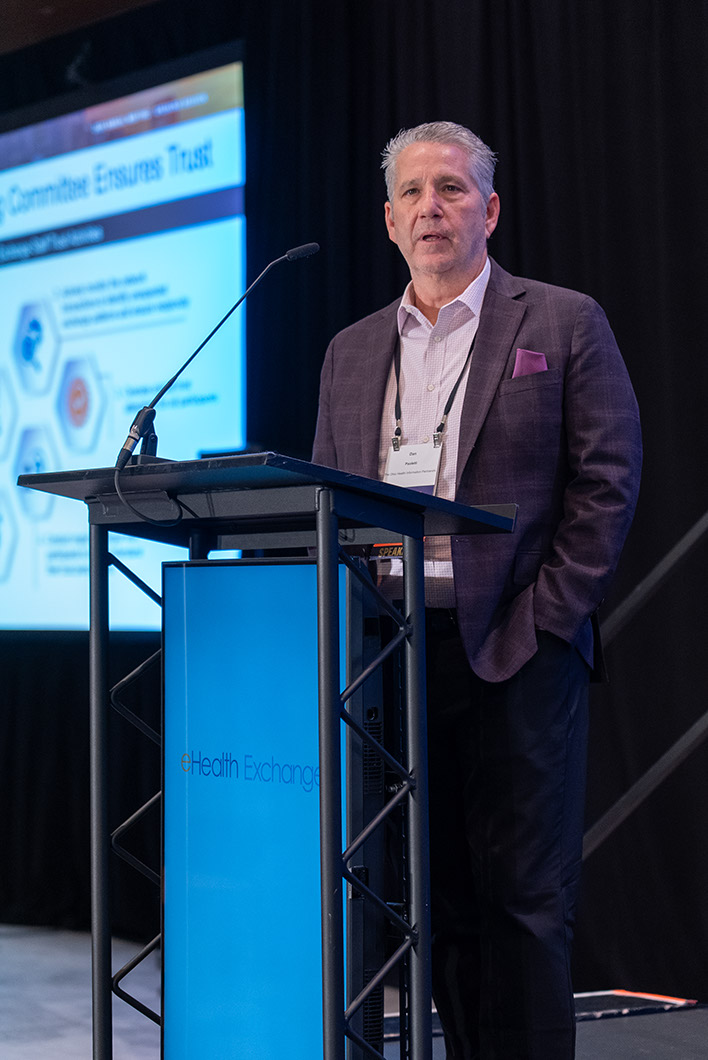
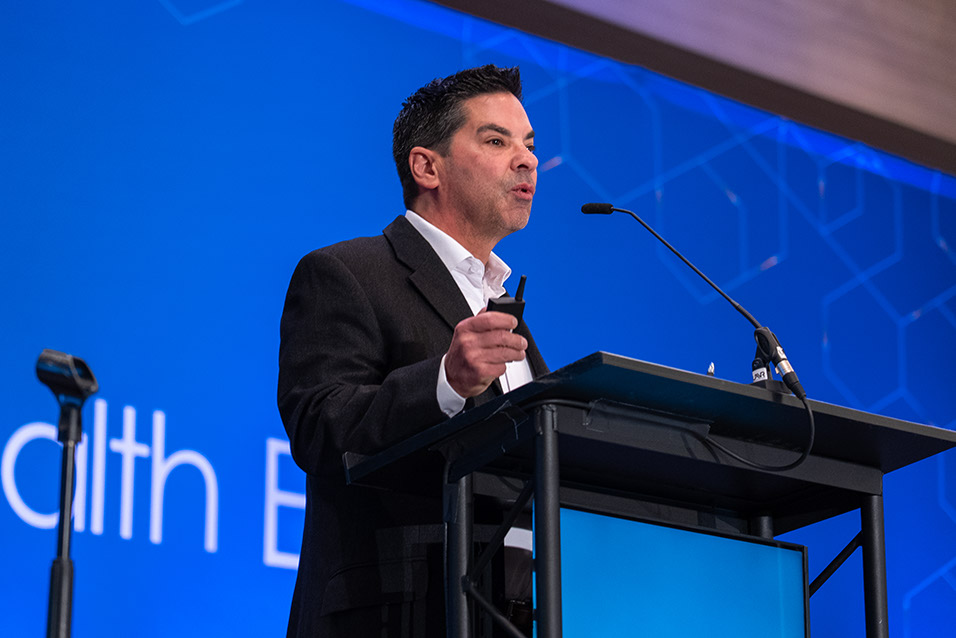
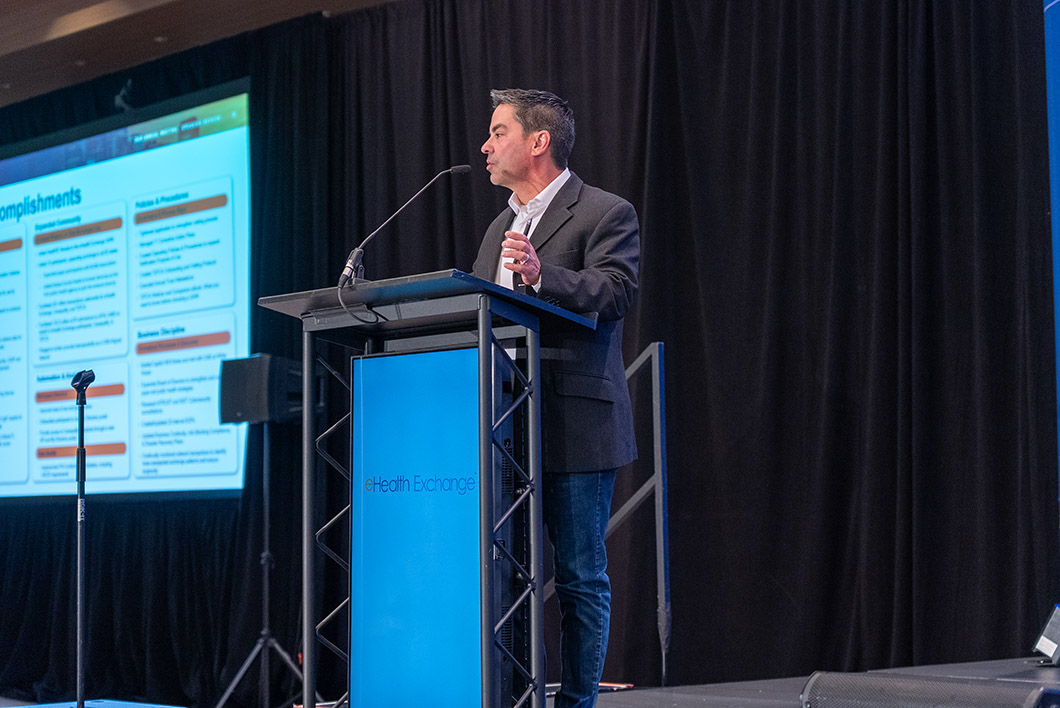
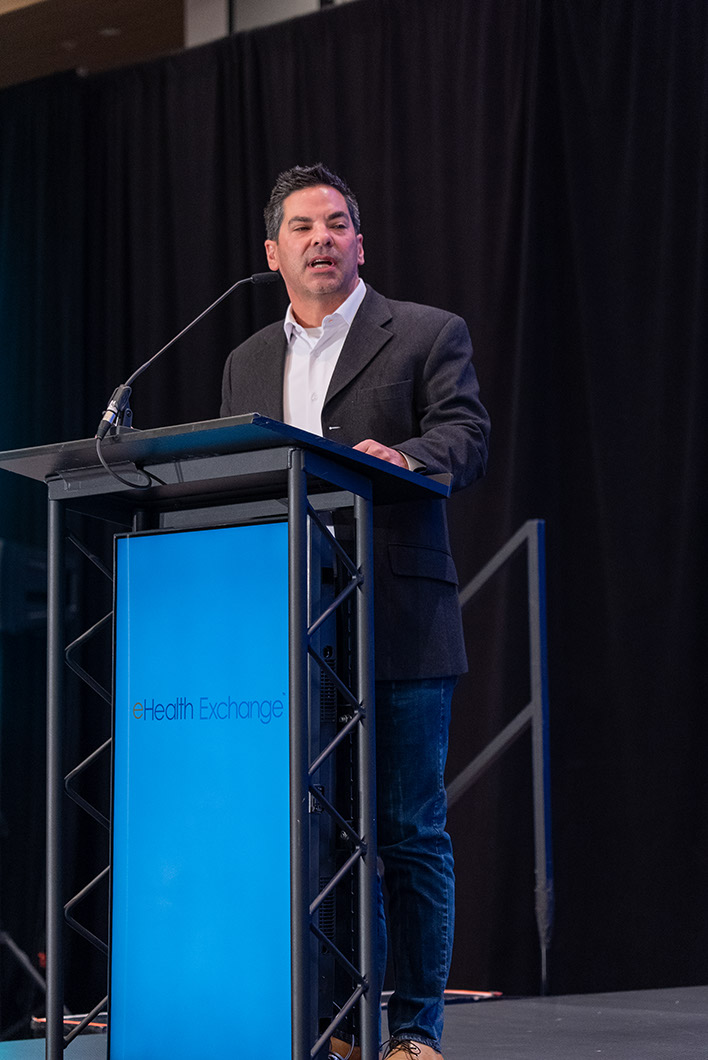
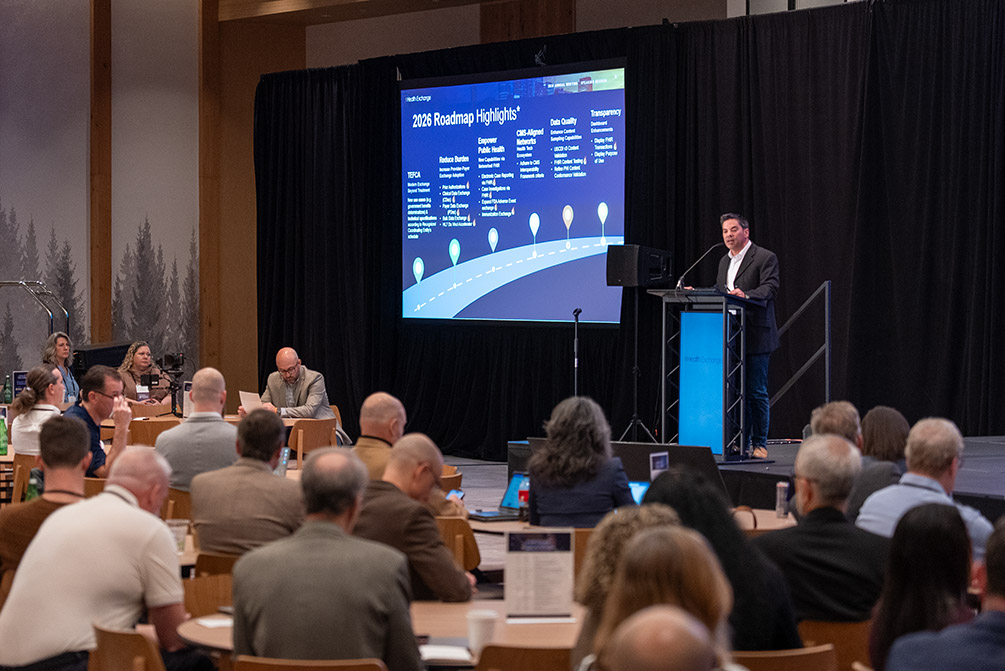
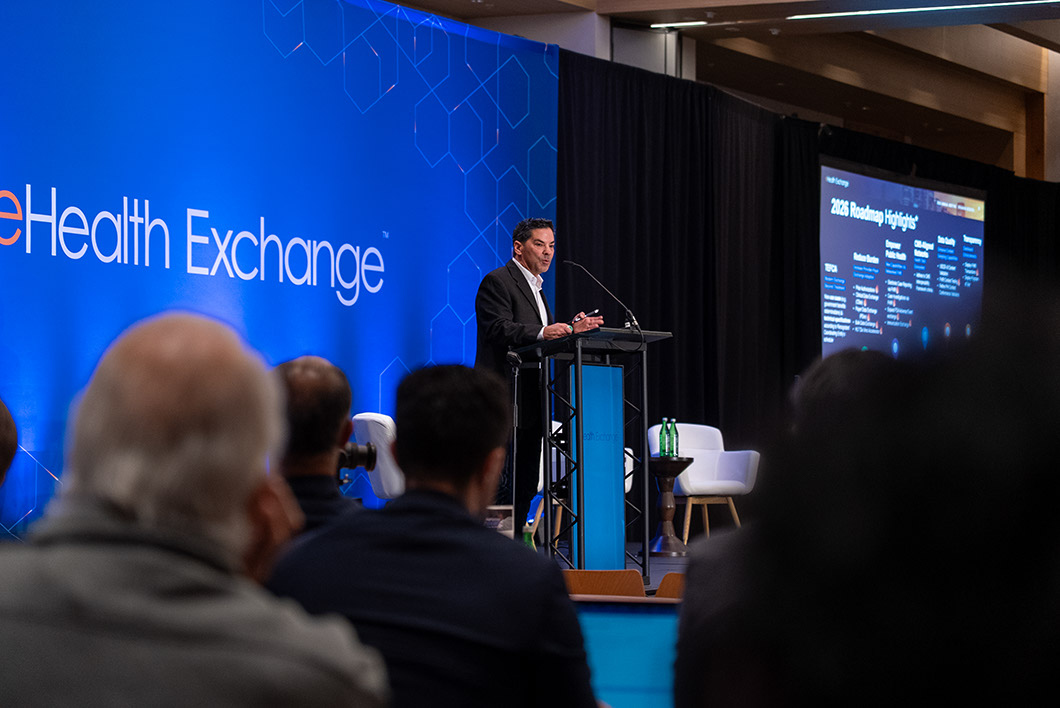
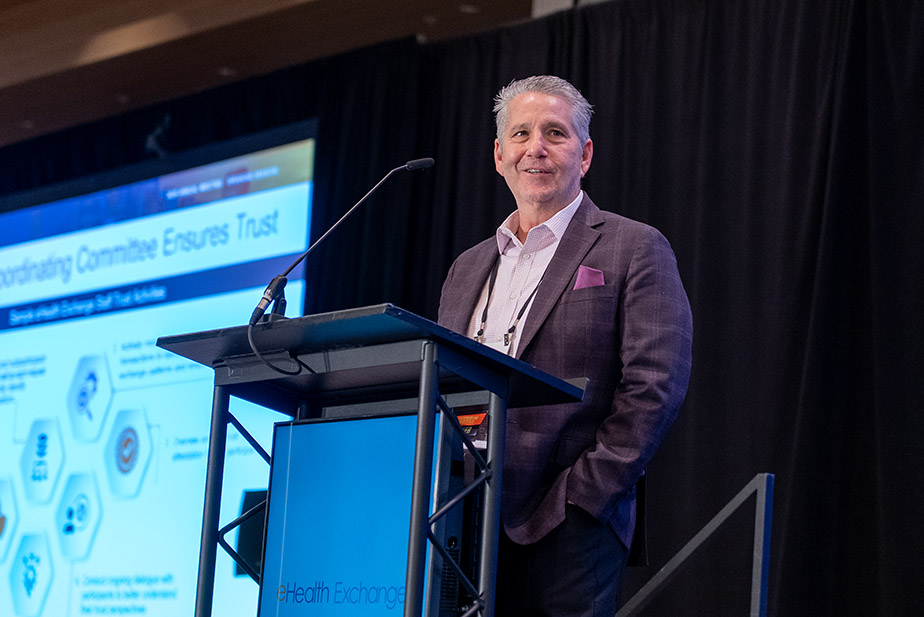
Dan Paoletti (Coordinating Committee Chair) opened the annual meeting with the Coordinating Committee’s perspective of the network, including progress highlights and the path ahead. He was joined by eHealth Exchange President, Jay Nakashima who shared accomplishments for the year and 2026 roadmap.
Speakers
Dan Paoletti
Jay Nakashima
2
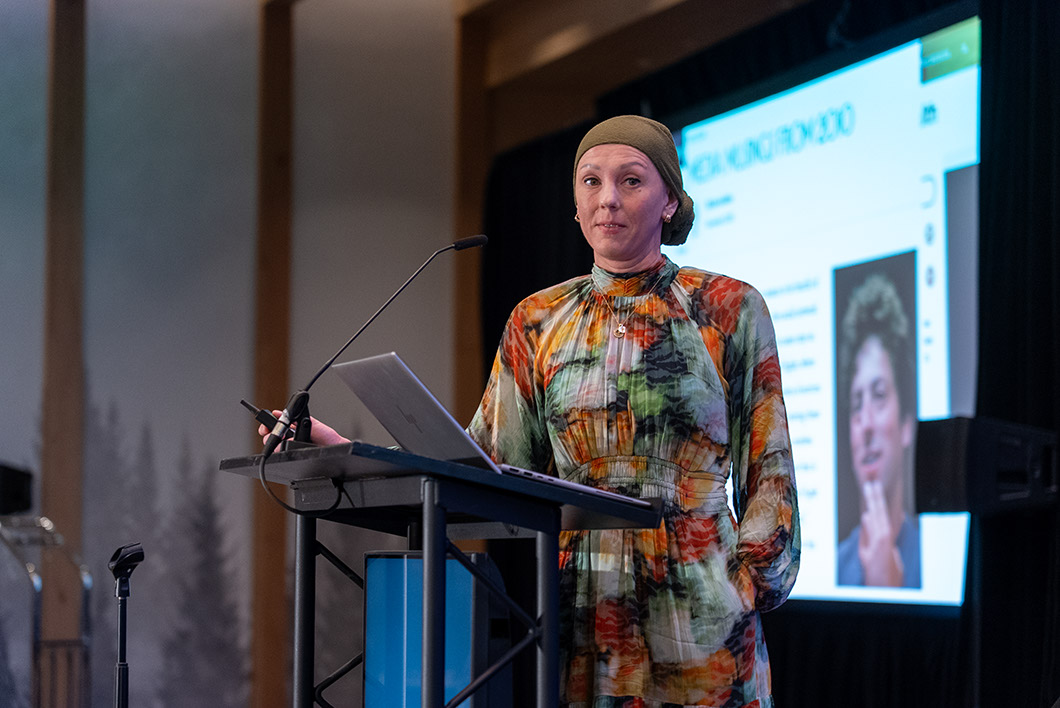
Healing Healthcare: Connecting Data and Lived Experience to Drive Meaningful Change
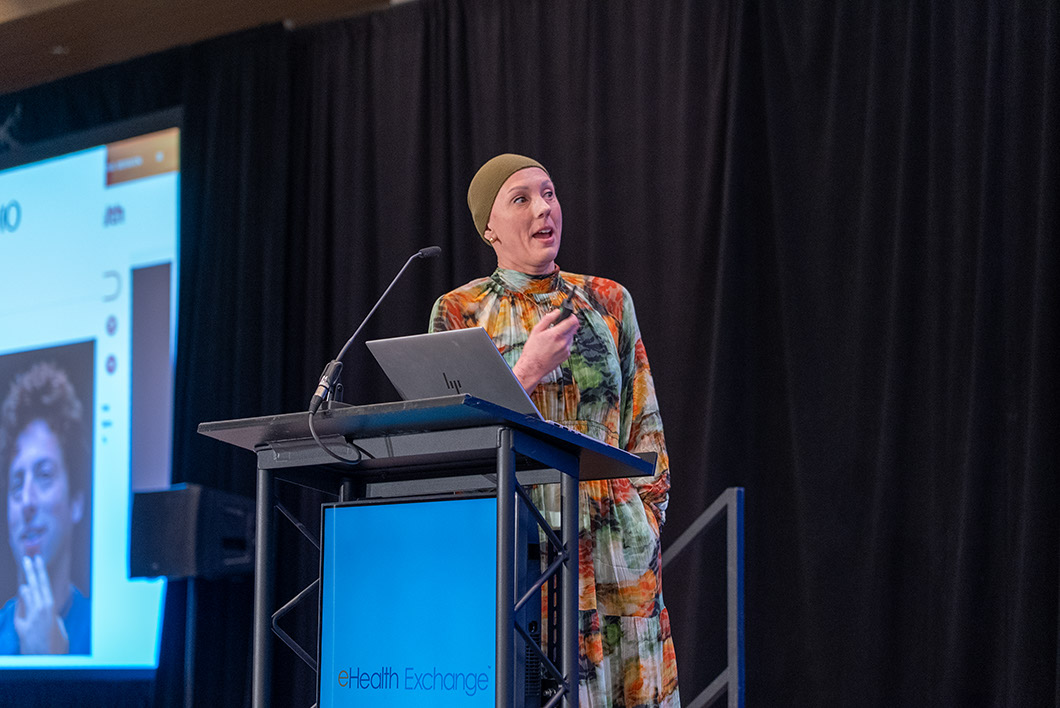
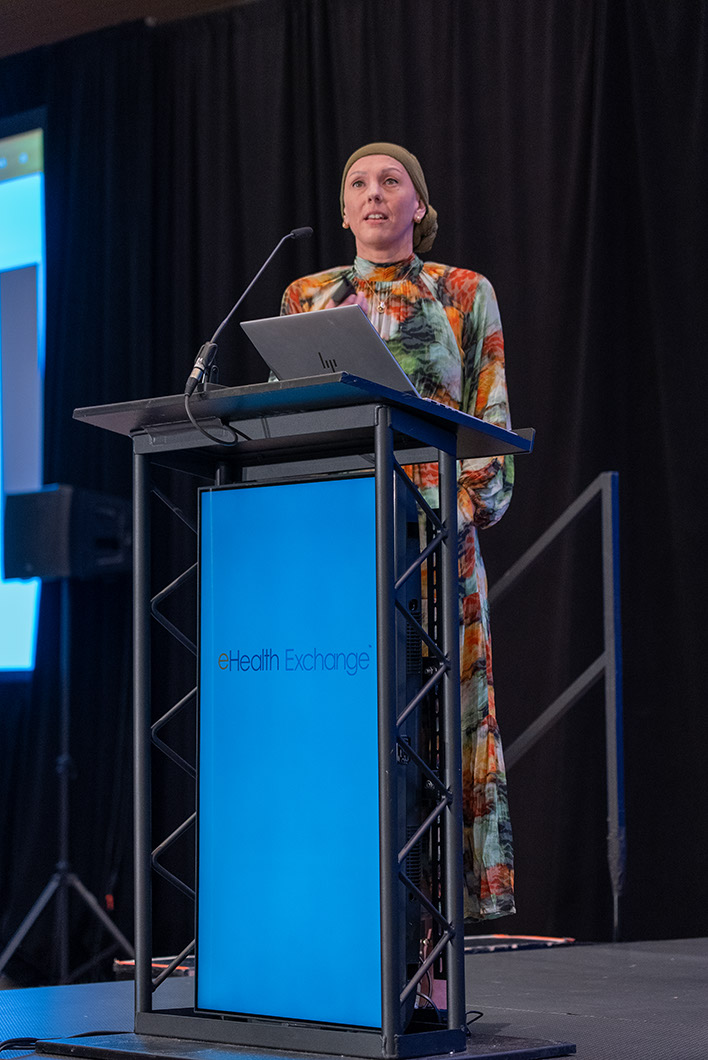
Healthcare is personal, and at its best, it’s deeply human. In this transformative session, Erica Olenski, a seasoned health IT leader, caregiver, and advocate—invited us into a story where data meets the heart of patient care. Drawing on her 15+ years in health data and technology innovation and her lived experience as a mother to August, a child who lived with extraordinary medical challenges, Erica revealed how the grief of caregiving has shaped her vision for a more compassionate, data-connected future.
Speaker
Erica Olenski
3
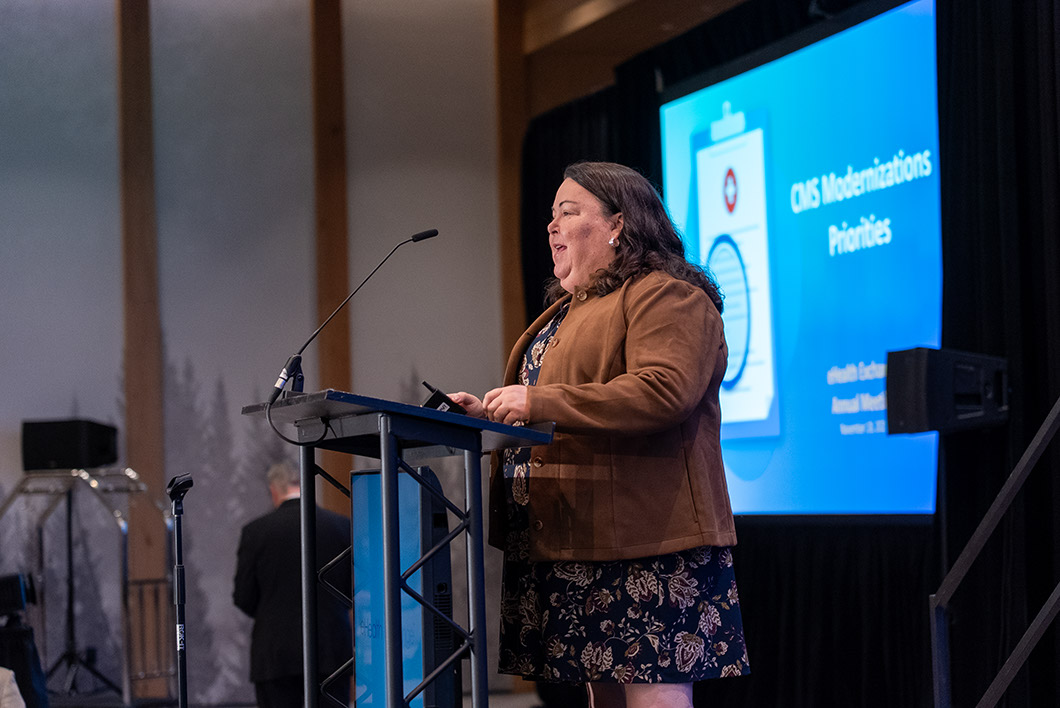
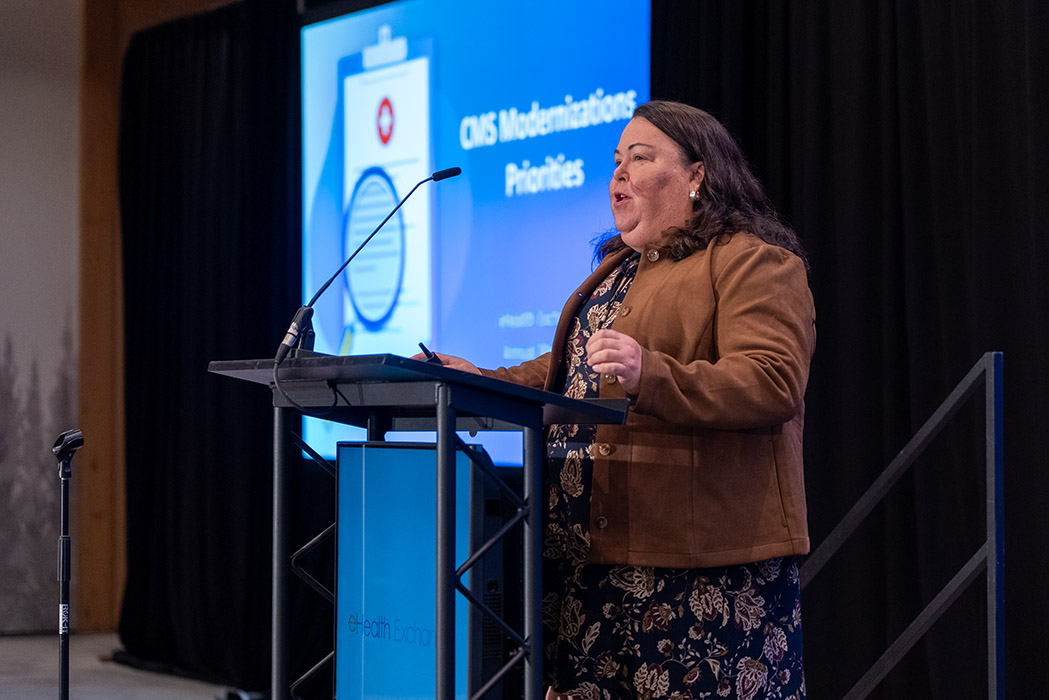
Keynote Address: CMS Modernization Priorities
We were honored to welcome CMS Deputy Administrator and COO, Kim Brandt, as the keynote speaker for the 2025 eHealth Exchange Annual Meeting.
Ms. Brandt shared insights on CMS modernization priorities, including recently announced Make Health Tech Great Again initiative, TEFCA and the agency’s strategies to crush fraud, waste and abuse.
Keynote Speaker
Kimberly Brandt
4
Straight Talk About CMS: A Moment or a Movement?
The CMS Health Tech Ecosystem Initiative signals a new era of data-driven collaboration— but will it significantly alter the interoperability landscape? Early adopters and policy insiders provided a frank discussion about the opportunities, challenges, and unknowns ahead. From FHIR acceleration to patient access and real-world use cases, this session explored whether CMS’s bold step represents an inflection point—or another incremental move in the long road to interoperability.
Panelists
Brendan Keeler
Deven McGraw
Lisa Bari
Ryan Howells
Jay Nakashima

5
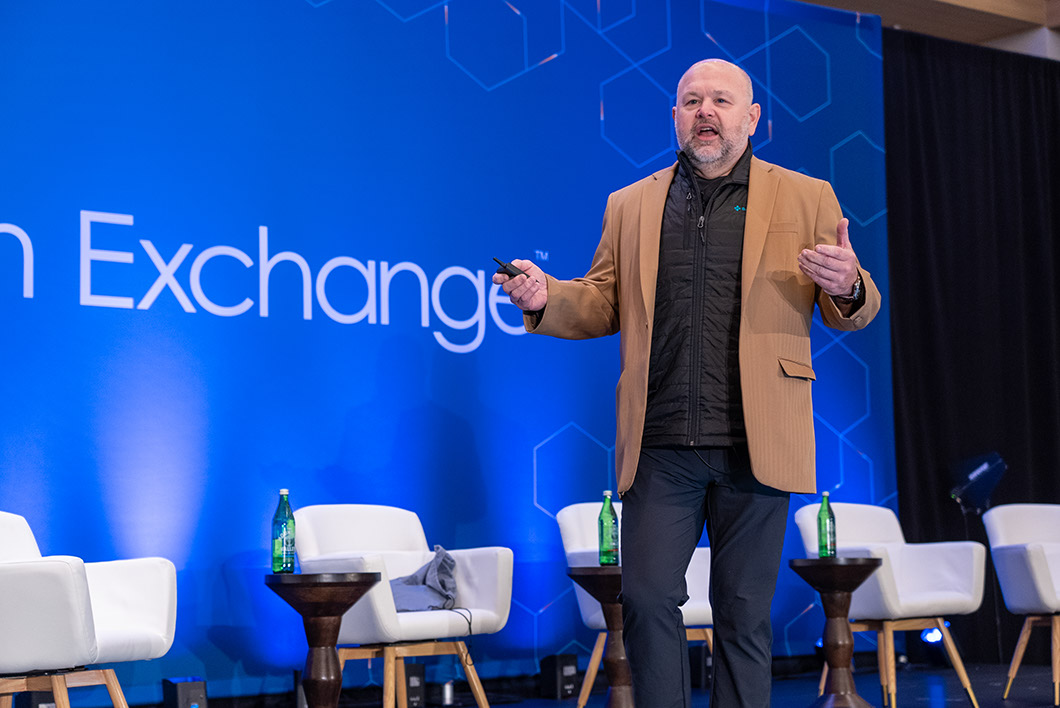
Talking Turkey About TEFCA
It’s taken years to get TEFCA on the table, but most queries still end up crammed into the “treatment” bucket simply because it requires a response. What happens when organizations need to exchange data for other purposes—like payment, operations, public health or research? In this session, Michael Marchant talked turkey about the realities of navigating new purposes of use, the drivers shaping adoption today, and why it’s time to move beyond treatment as the default.
Speaker
Michael Marchant
6
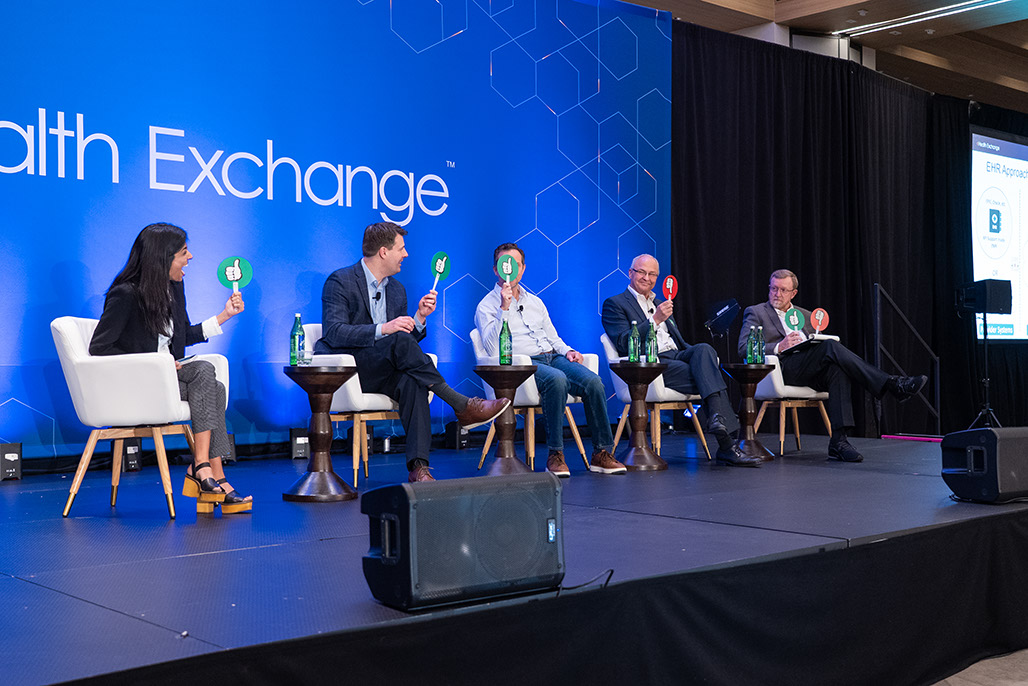
How Not to Get Burned in 2027: Payers and Providers Play Nice with FHIR
As a founding organization of the interdisciplinary piloting community, Trebuchet, BCBSA is participating in eHealth Exchange to enable BCBS Plans to exchange clinical data with providers, payers, federal agencies and other organizations across the industry using FHIR® Implementation Guides. This panel will showcase approaches to engage with Trebuchet to:
- Advance FHIR® Standards
- Scale Integrations
- Demonstrate Value
- Leverage AI
Panelists
Karuna Relwani
Michael Lunzer
Michael Westover
Chris Fougere
Doug Dietzman
7
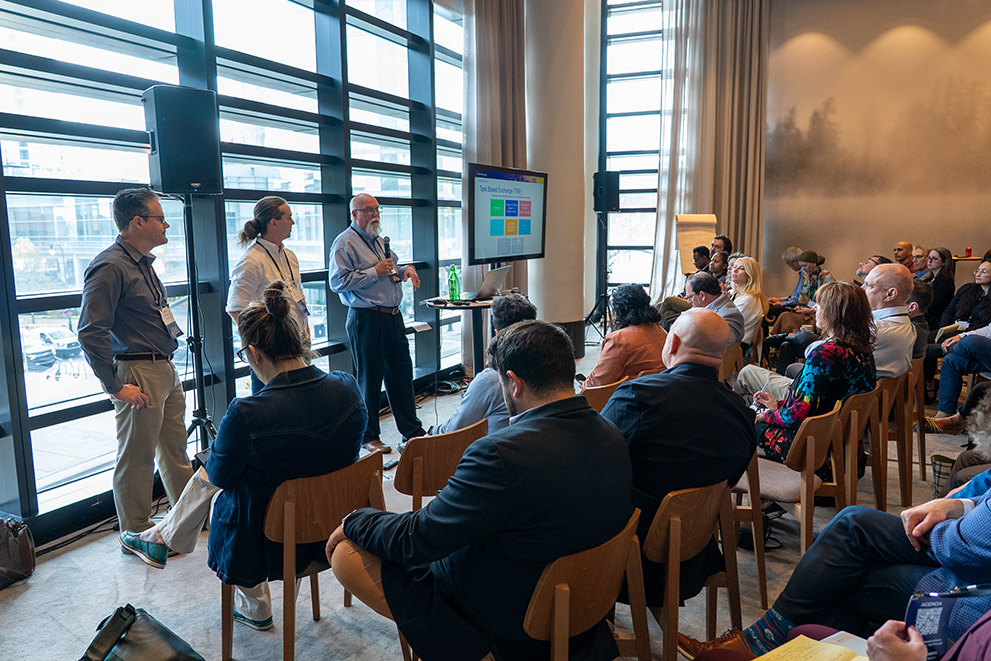
Igniting Interoperability: Real-World FHIR Services and Use Cases
If you are an eHealth Exchange Participant interested in learning more about our FHIR-based services and engaging in related use cases – this session was for you!
Panelists
Mike Yackanich
Michael McCune
Scott Rossignol
8
It Worked for "All of Us": Unlocking Data for Research
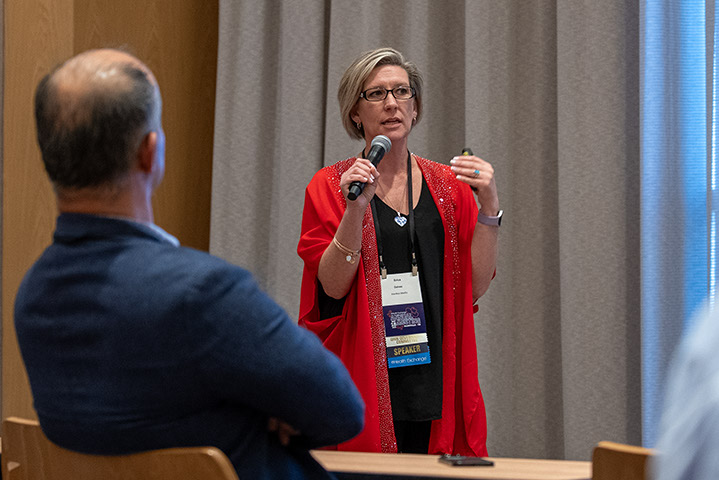
How can nationwide health data exchange power research at scale? A groundbreaking initiative led by the NIH All of Us Research Program, in collaboration with leading health information networks and providers, tested new ways to securely share real-world data with patient authorization. Panelists discussed how novel approaches to interoperability can expand data access, fill critical gaps, and open new possibilities for clinical research. They explored both the opportunities and challenges of enabling a “research” exchange purpose under TEFCA — and what this could mean for the future of discovery.
Panelists
Josh Lemieux
Erica Galvez
Ray Duncan
Jay Nakashima
9
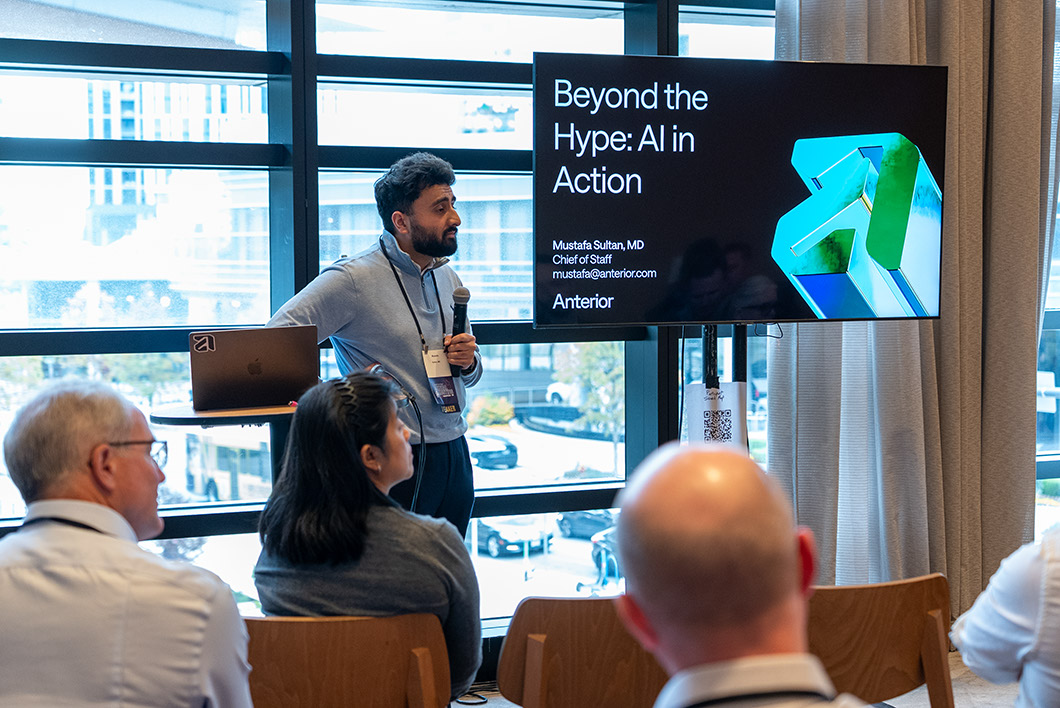
Beyond the Hype: AI in Action
Anterior CEO, Abdel Mahmoud MD (former doctor and Google engineer) sees a world in which clinical AI supercharges the incredible strides already made by the Da Vinci Burden Reduction program. At first glance, it may look like clinician burden has been significantly reduced, and that sophisticated, AI-powered solutions are no longer required. The reality is more nuanced. Everyone talks about AI in healthcare, but few are bold enough to show it. Dr. Mahmoud demonstrated how AI can function as an insight layer and interoperability glue.
Speaker
Mustafa Sultan

10
HDUs As a Key Component of National Infrastructure - and How AI Will Be a Factor!
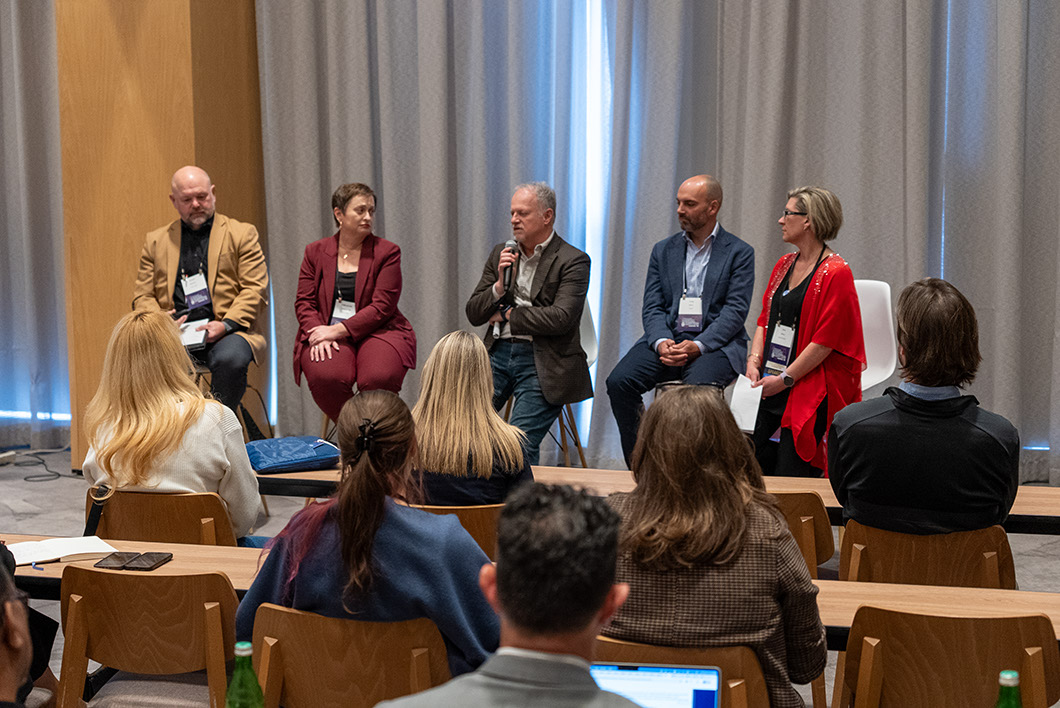
Across the country, many states have formed partnerships with robust nonprofit health data networks that have grown beyond the limited scope of traditional health information exchanges. These organizations now operate as Health Data Utilities (HDUs), playing a vital role in their state’s health data infrastructure. While their specific functions, maturity levels, and service offerings may differ, they share a set of foundational capabilities—delivering real-time health data and analytics to support both public and private sector needs.
Panelists
Craig Behm
Jaime Bland
Erica Galvez
John Kansky
Michael Marchant
11
Meet Public Health TEFCA Innovators
Many in the public health community are embracing TEFCA and are partnering with healthcare organizations, QHINs like eHealth Exchange, and health IT developers to pilot and adopt innovative technologies and dataflows that reimagine public health data exchange. In this session, attendees heard from a panel of speakers about some of these innovative approaches, especially for managing electronic case reporting (eCR) data and FHIR-based query and response and learned about the current and future landscape of public health data exchange.
Panelists
Michelle Meigs
Erin Holt Coyne
Matt Eisenberg
Gillian Haney
Philip Huang
Debbie Condrey

12
How To Change Someone's Mind
Facts don’t change feelings. They never did. Communicating complex technical topics—and persuading your audience to care about them—is just as much art as science. Kat McDavitt, an award-winning negotiator and communicator, is known for her witty and blunt communication style. In this session, she dissects her recent “Redneck Public Health Series,” published as a step toward persuading skeptics that public health matters, to demonstrate how technologists and policymakers can move beyond facts and figures to make space for meaningful dialogue.
Speaker
Kat McDavitt
13
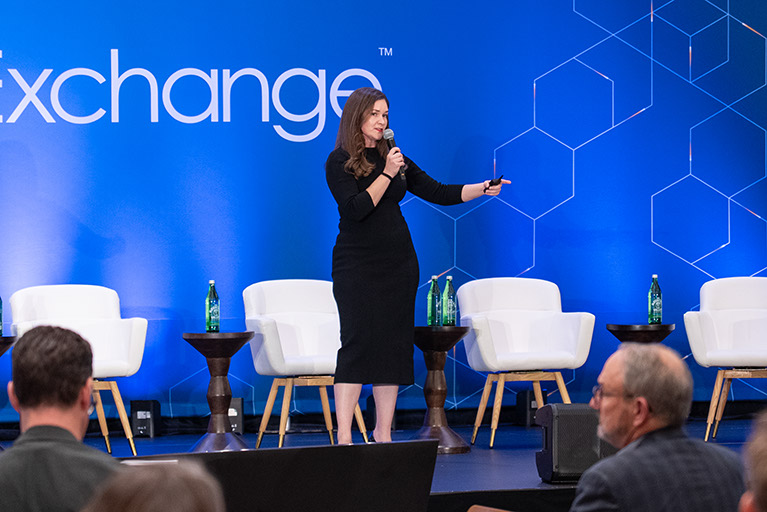
The Power of a Mother's Why: Amy Gleason's Motivation to Transform Health Data Exchange
What happens when personal experience meets public leadership? Amy Gleason shared how her journey—from nurse and caregiver to Acting Administrator of the U.S. DOGE Service—is shaping federal efforts to modernize data exchange. Hear how she’s helping CMS build a Health Tech Ecosystem that empowers innovators, patients, and providers alike.
Speaker
Amy Gleason
14
Let's Stop Doing Stupid Stuff
Why can’t physicians get paid on time? Why is health care data quality so poor and why are we spending so much time and energy trying to clean-up the data? Why do certain sectors of the health care economy even exist? How can better data exchange and interoperability eliminate sectors of the health care economy that are profiting from inefficient data exchange? What are the best practices for implementing the CMS-0057 rule from those who have worked on multi-payer and multi-provider state-based collaboratives for the last few years? How can the CMS-Aligned Network announcement and TEFCA help or hinder better data exchange? Ryan Howells candidly discussed how open standards, better interoperability, and more collaboration can eliminate billions of dollars in administrative waste from the system, help us stop doing stupid stuff, reduce clinician burden, and provide better and more timely patient-centered care.
Speaker
Ryan Howells

DISCLAIMER: The views, thoughts, and opinions expressed in these videos are those of the speakers and do not necessarily reflect the views of eHealth Exchange. The availability of these recordings on our website does not constitute an endorsement by eHealth Exchange of their content; nor does eHealth Exchange make any guarantees as to the accuracy or completeness of such content.
A Special Thank You to Our Meeting Sponsors
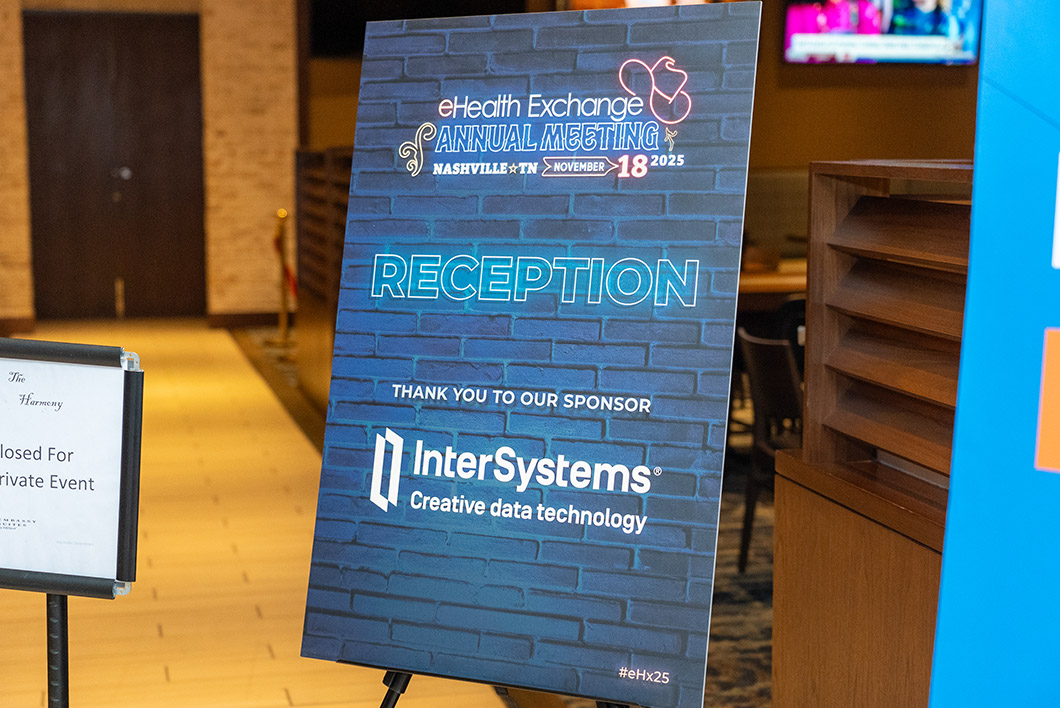
Reception Sponsor
Wi-Fi Sponsor

AM Break Sponsor
PM Break Sponsor

Advocate+ Sponsor

Subscribe for Updates
Subscribe to get updates regarding the eHealth Exchange 2026 Annual Meeting. You’ll be the first to know when we announce agenda items, speaker details, and sponsorship opportunities.